Find a Black Therapist in Connecticut
This page connects you with Black Therapist practitioners serving Connecticut, with profile details on specialties, credentials, and approaches. Browse the listings below to compare providers across Bridgeport, New Haven, Hartford and other Connecticut communities.







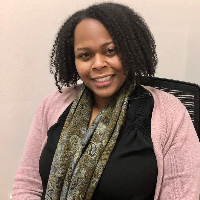
Stephen Witte
LCSW
Connecticut - 48 yrs exp
















How Black Therapist therapy works for Connecticut residents
If you are seeking a therapist who identifies with or specializes in Black Therapist practice, you can expect an approach that centers cultural context alongside mental health goals. In Connecticut, therapists typically offer both in-person and online appointments, and many describe their work in terms of culturally informed care - that means your background, community ties, and cultural experiences are considered part of the healing process. You will find clinicians who use talk therapy, trauma-informed approaches, skills-based interventions, and other methods tailored to your needs. Licensing requirements mean therapists who provide teletherapy to Connecticut residents must be authorized to practice in the state, so you can ask about credentials and licensing when you contact a provider.
Culturally informed care and practical logistics
Culturally informed care often includes awareness of racial identity, intergenerational experience, faith or spiritual considerations, and the social realities that shape daily life. When you reach out to a clinician, you can ask how they integrate culture into treatment, whether they have experience with racial stress or identity work, and how they support community-centered healing. Logistically, appointments are scheduled much like any other mental health service - you and your clinician agree on session frequency, length, fees, and how to handle cancellations. Many providers in Connecticut also offer sliding scale fees or accept insurance; asking about costs up front helps you plan.
Finding specialized help for Black Therapist in Connecticut
Searching for the right fit starts with clarifying what matters most to you - whether that is a therapist who shares your lived experience, a clinician with experience in particular therapeutic modalities, or someone who understands the needs of Black communities in urban and suburban Connecticut. Use profile pages to review areas of focus, clinical approaches, and client populations. You can narrow searches by location if you prefer in-person work in cities like Bridgeport, New Haven, Hartford, or Stamford, and you can also look for therapists who explicitly mention community engagement, cultural humility, or anti-racist practice in their descriptions. If you rely on insurance, verify that a therapist is in-network or ask about reimbursement options for out-of-network care.
Referrals from community groups, faith leaders, or primary care providers can be meaningful, but many people also find a good match through directory profiles. When you contact a therapist you are considering, a brief intake call or message can help you assess whether their approach and availability align with your needs.
What to expect from online therapy for Black Therapist
Online therapy has become a common option for residents across Connecticut, offering convenience if you live farther from centers of care or have scheduling constraints. When you choose an online session, you will typically join via a video link at your scheduled time, with similar session length and structure to face-to-face therapy. You should expect the therapist to explain how technology is used, how records are kept, and what to do in an emergency - for example, sharing local emergency numbers and a safety plan if needed. You can also ask how they ensure appointments respect your dignity and cultural experience.
Online work can make it easier to connect with therapists who specialize in Black Therapist care even if they are based in another Connecticut city. That can widen your options and allow for continuity if you move between Bridgeport, New Haven, Hartford, or other towns. If you prefer an in-office environment, many clinicians continue to offer appointments in a comfortable environment that supports focused discussion and reflection.
Common signs you might benefit from Black Therapist therapy in Connecticut
You might consider seeking therapy if you notice persistent changes in mood, relationships, or daily functioning that interfere with your goals. Many people seek culturally informed therapy when they are dealing with the stress of racial incidents, identity questions, burnout from caregiving or work, or grief that carries a communal dimension. If you are struggling to manage anxiety, sadness, anger, or difficulty connecting with others, a clinician who understands Black cultural contexts can help you explore those feelings in ways that feel meaningful and authentic. You may also look for support if you are navigating life transitions, parenting challenges, college or career pressures, or the effects of intergenerational trauma.
Therapy is not only for moments of crisis - it can also be a place to deepen self-understanding, strengthen coping skills, and build resilience. If you feel hesitant about starting, a short consultation with a therapist can clarify what therapy would look like and how many sessions might be useful for your situation.
Tips for choosing the right therapist for this specialty in Connecticut
Begin by identifying what matters most in a therapeutic relationship. Consider whether you want a provider who shares your racial or cultural background, one who demonstrates cultural humility, or a clinician with specialized training in areas like trauma, family work, or adolescent care. Read profiles for information about training, therapeutic orientation, and client focus, and use initial contact to ask specific questions about their experience with community-specific challenges. You might ask how they approach topics like racial identity, microaggressions, or community stress, and whether they have experience supporting clients from similar generational or cultural backgrounds.
Location and logistics are practical elements that affect fit. If you prefer in-person sessions, look for clinicians near Bridgeport, New Haven, Hartford, or other accessible locations. If your schedule or mobility makes travel difficult, online sessions can offer flexibility. Consider payment options and whether the therapist accepts your insurance or offers a sliding scale. Finally, trust your impressions. The relationship you build with a therapist matters more than perfect credentials alone - if you feel heard, respected, and understood during an initial conversation, that is a strong sign of potential fit.
Preparing for your first appointments
Before your first session, think about what you want to address and any questions you have for the therapist. Gathering information about your medical history, previous therapy experiences, and current stressors can help the clinician understand your context. During early sessions, you and the therapist will set goals and decide on a plan - whether short-term skill building or longer-term exploration. If you are unsure about anything as therapy progresses, bring your questions to the clinician and ask for adjustments to frequency or approach - collaborative care helps ensure the work stays relevant to your life.
Connecting with community resources across Connecticut
Therapeutic care often works best alongside community supports. In Connecticut, you can look for therapists who participate in community workshops, collaborate with local organizations, or offer group programs. Bridgeport, New Haven, Hartford and other cities host events and resources that may complement individual therapy, from support groups to cultural programming. Asking a therapist about local referrals or community connections can help you extend care into everyday life and strengthen relationships with peers and support networks.
Choosing a therapist is a personal decision, and finding a clinician who understands both your identity and your goals can make a meaningful difference. Use the listings on this page to compare profiles, reach out for initial conversations, and take the next step toward care that respects your cultural experience and supports your well-being in Connecticut.