Find a Vaping Therapist in Colorado
This page lists therapists in Colorado who specialize in vaping-related concerns, including cessation support and behavior change strategies.
Browse the listings below to compare approaches, availability, and whether sessions are offered online or in person.







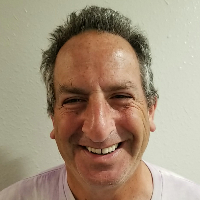
David Ramstad
LMFT
Colorado - 22 yrs exp
















How vaping therapy works for Colorado residents
Vaping therapy combines evidence-informed counseling techniques with practical behavior change tools to help people change how they use nicotine or other substances through vaping devices. In Colorado, therapists who work with vaping issues may draw on approaches such as cognitive-behavioral strategies, motivational interviewing, relapse prevention planning, and skills training to help you understand triggers, manage cravings, and set realistic goals. Therapy often begins with an assessment of your vaping patterns, related stressors, and any co-occurring concerns such as anxiety, depression, or sleep disruption. From there you and your therapist develop a tailored plan that fits your life in Colorado - whether that means addressing vaping at work, on campus, or during social activities in cities like Denver or Aurora.
Sessions can include education about how nicotine dependence functions, practice of coping skills in everyday situations, and strategies to reduce or stop vaping gradually if you prefer. Many therapists also help you navigate related decisions like choosing alternative coping strategies, discussing vaping with family members, or coordinating care with medical providers if you are considering pharmacological aids. The process is collaborative - your values and readiness to change guide the pace and methods used.
Finding specialized help for vaping in Colorado
When searching for a therapist who focuses on vaping, look for clinicians who list substance use, nicotine dependence, or behavioral addictions among their specialties. You can start with directory filters for modality, treatment focus, and availability for online sessions. Because Colorado has both urban and rural communities, therapists may offer a mix of in-person appointments in places like Denver, Colorado Springs, and Aurora, and remote sessions to reach people living outside those population centers. Licensing matters - therapists licensed in Colorado are qualified to offer mental health services within the state, and they can explain how their training applies to vaping-related concerns.
Local community health centers, university counseling services, and specialty clinics often maintain lists of clinicians experienced in substance-related behavior change. You may also find therapists who have additional certifications or training in tobacco cessation or addiction counseling. When you view a profile, pay attention to the therapist's description of their approach, typical session structure, and whether they work with adults, adolescents, or both. That helps you find someone whose focus matches your needs and life stage.
What to expect from online therapy for vaping
Online therapy adds flexibility if you live in a busy Colorado metro area or in a town with fewer local options. With telehealth you can schedule sessions around work, school, or outdoor commitments. Expect an initial intake appointment where the therapist gathers background information, discusses your goals, and explains how virtual sessions will work. Many therapists use secure video platforms that allow for face-to-face interaction and screen sharing for worksheets or tracking tools. Remote treatment typically mirrors in-person care in terms of therapeutic techniques, though therapists may adapt exercises so they fit your home environment.
If you choose online sessions, confirm that the therapist is licensed to practice in Colorado and that they are familiar with local resources - for example, community programs in Denver, support groups in Colorado Springs, or referrals available in Aurora. You should also discuss privacy considerations for virtual sessions so that you and your therapist can agree on where you will meet from on your end - a quiet, uninterrupted room often helps make the most of the appointment. Practically speaking, online therapy can lower travel time and help you maintain consistency with appointments when weather or schedules make in-person visits difficult.
Common signs someone in Colorado might benefit from vaping therapy
You might consider seeking help if vaping is interfering with daily life, relationships, or obligations. People often seek therapy when they notice escalating use despite wanting to cut back, frequent cravings that are difficult to ignore, or attempts to hide vaping from friends or family. If vaping is affecting your mood, sleep, concentration, or energy, or you find yourself vaping in contexts that worry you - such as while driving, at work, or in situations where it could create conflict - these are practical reasons to reach out to a therapist. Adolescents and young adults in Colorado may face unique pressures around vaping in school or social settings, and therapy can help them develop refusal skills and healthier coping strategies.
Another sign is if vaping is tied to stress or emotional regulation. If you rely on vaping to manage anxiety after long shifts, to cope with grief, or to calm nerves before presentations, therapy can help you broaden your toolkit for handling those moments. You may also benefit from support if past attempts to cut down or quit have led to intense cravings or relapse, or if you want to plan a gradual reduction with professional guidance.
Considerations for parents and caregivers
If you are a parent or caregiver in Colorado concerned about a teenager's vaping, seeking therapy can provide both individual support for the young person and guidance for family conversations. Therapists can coach you on setting boundaries, improving communication, and connecting youth with age-appropriate resources. In communities like Boulder and Fort Collins where college and high school networks are active, early intervention can prevent vaping from becoming an entrenched habit.
Tips for choosing the right therapist for vaping in Colorado
Start by clarifying your goals - whether you want to quit entirely, reduce use, or better manage triggers. This will help you evaluate therapist profiles and descriptions. Look for clinicians who explicitly mention work with nicotine or substance-related behaviors and who describe specific methods you feel comfortable with - for instance, a skills-based approach, a strengths-focused style, or integration with medical care. You might prefer a therapist who has experience with adolescents if you are a parent, or one who routinely works with college-age adults if you are a student in Denver or Aurora.
Ask about session length, frequency, and whether the therapist offers brief check-ins or longer-term care. Discuss logistics like insurance acceptance, sliding scale options, and the availability of online appointments if travel is a concern. A good fit often depends on practical factors - does the therapist have hours that work with your schedule, do their fees align with your budget, and do they practice in a way that respects your values and cultural background. You can schedule an initial consultation to get a sense of their communication style and whether you feel heard and understood.
Consider asking how the therapist measures progress and what typical milestones look like. Some therapists use tracking tools for cravings and triggers, while others focus on skills acquisition and relapse prevention planning. If you are in a region like Colorado Springs or rural parts of the state, ask about connections to local medical providers or community programs so you can access comprehensive support when needed.
Making the most of therapy and next steps
Once you begin, set realistic expectations and remember that behavior change often occurs in gradual steps. Work with your therapist to build a plan that fits your daily routine and leverages strengths you already have. Practice skills between sessions, track patterns that lead to vaping, and communicate openly about what is or is not working. If you encounter setbacks, discuss them without judgment - they can be valuable data points for adjusting your plan.
Finally, use the directory listings on this page to connect with therapists who match your needs. Whether you prefer in-person visits in Denver, online sessions, or a counselor closer to Colorado Springs or Aurora, taking the first step to contact a therapist can help you move toward a clearer plan and sustainable change. Reach out to a few clinicians, ask questions, and choose the person who feels most aligned with your goals and lifestyle.