Find a Trauma and Abuse Therapist in Colorado
This page highlights clinicians in Colorado who focus on trauma and abuse, offering information about their approaches and areas of focus. Browse the listings below to compare therapists in Denver, Colorado Springs, Aurora and other communities to find a good match.






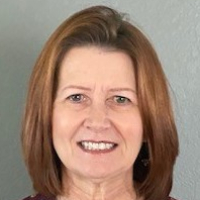














Crystal Gerlock
LCSW
Colorado - 30 yrs exp



How trauma and abuse therapy typically works for Colorado residents
If you are seeking help after an abusive relationship, an accident, a loss, or ongoing stressful experiences, therapy often begins with an assessment to understand your history and current concerns. In the first few sessions you and a clinician will talk about what brought you in, which responses are most distressing, and what kinds of changes you want to see. Many therapists use a blend of approaches - for example, evidence-informed methods like trauma-focused cognitive behavioral techniques, somatic approaches that attend to the body, and narrative work that helps you reframe and reclaim your story. Treatment plans are individualized so you can focus on immediate safety and stabilization first, and then build skills for managing intense emotions and reducing the impact of triggers on daily life.
Because Colorado has both urban centers and wide rural areas, the way therapy is delivered often adapts to where you live and how you want to receive care. Breathing and grounding strategies can be taught in session and practiced on your own, while longer-term processing work might occur weekly or biweekly. Your therapist can also help you connect to local resources such as support groups, case management, legal advocacy, or community mental health services, particularly if you live in Denver, Colorado Springs, Aurora, Fort Collins, or Boulder.
Finding specialized help for trauma and abuse in Colorado
When you search for specialized help, look for clinicians who explicitly list trauma and abuse among their areas of practice and who describe their training and therapeutic approach. In larger cities like Denver and Aurora you will find clinicians with varied specializations, including work with survivors of childhood abuse, intimate partner violence, combat-related trauma, and complex interpersonal trauma. In smaller communities and mountain towns the pool of providers may be smaller, but many therapists offer focused training and telehealth options to broaden access. Consider whether you want someone who integrates body-based work, someone who focuses on cognitive and behavioral interventions, or a therapist who emphasizes relational and attachment-informed therapy. Each approach has different strengths and your priorities - such as working through past events, managing panic, or improving relationships - will guide that choice.
Questions to consider as you search
It is useful to think about practical details early - availability, whether evening or weekend appointments are offered, and whether you prefer in-person sessions or online work. You might also want to know if a therapist has experience with your specific identity, background, or cultural context. Therapists in Colorado often note whether they have experience with military-affiliated clients, Indigenous communities, immigrant populations, or LGBTQIA+ survivors. These details can matter because shared understanding and cultural awareness often help you feel understood and supported.
What to expect from online therapy for trauma and abuse
Online therapy has become a common option for many people in Colorado, especially if you live outside major metro areas or have limited transportation options. When you engage in therapy online, your sessions typically take place through a video connection that allows face-to-face interaction, or through phone sessions if that is preferred. Online work can be especially useful for continuity of care if you relocate within the state - for example, moving between Denver and Fort Collins - or when weather and commuting make in-person visits difficult.
Therapists will discuss how to create a safe setting for online work so you can speak openly and be able to pause or step away if emotions become overwhelming. You will learn strategies to ground yourself during sessions and practice skills between meetings. Some people appreciate the convenience of online therapy and find it easier to maintain regular attendance. Others prefer the ritual of in-person sessions. Both formats can be effective when paired with a clinician who has training in trauma-informed online care and who takes steps to protect your well-being during emotionally difficult work.
Common signs that someone might benefit from trauma and abuse therapy
You might consider therapy if you notice patterns that are interfering with daily life. These may include recurring intrusive memories, nightmares, strong emotional or physical reactions to reminders of past events, persistent feelings of numbness or disconnection, or difficulty trusting others. You might find that relationships are strained by anger, avoidance, or a sense that no one understands what happened. Some people experience changes in sleep, appetite, concentration, or energy that make work and family life harder. Others find themselves using substances or other behaviors to manage intense feelings. None of these signs mean you are weak - they are common responses to traumatic experiences and can improve with appropriate support.
If safety is a current concern because of ongoing abuse, reach out to local emergency services or community resources immediately. Therapists can also help you develop a safety plan and connect to local supports in cities across Colorado. Even if your situation is no longer actively dangerous, therapy can still be helpful in processing the impact of what happened and building a life that feels more manageable and meaningful.
Tips for choosing the right trauma and abuse therapist in Colorado
Choosing a therapist is a personal decision that often benefits from a mix of practical and interpersonal considerations. Start by reviewing clinician profiles to see who mentions trauma-informed approaches and relevant training. Pay attention to language about the therapist s orientation toward collaboration - you should feel that your concerns are heard and that the therapist will work with you to set goals. Availability matters - find someone whose schedule aligns with yours so that you can maintain consistency. If you plan to use telehealth, ask about their experience with online trauma work and what they recommend for creating a safe setting at home.
It is also reasonable to reach out for an initial consultation, which many clinicians offer by phone or video. Use that time to ask about their experience with situations similar to yours, how they structure therapy, and what a typical session focuses on. Pay attention to how you feel after the conversation - trust your sense of whether you felt understood and respected. In larger regions like Denver and Colorado Springs you may have more options to try a few clinicians before making a longer-term commitment. In smaller areas, it may take a bit more searching or reliance on telehealth options.
Practical considerations specific to Colorado
Think about logistics such as travel time, parking, and seasonal weather when choosing in-person care, particularly if you live in mountain communities where winter conditions can affect access. If you work or go to school, evening appointments can make therapy more feasible. Financial considerations are also important - ask about fees, sliding scale options, and whether a therapist can provide documentation for insurance reimbursement. Some community clinics and nonprofit programs across Colorado offer low-cost services if affordability is a concern.
Finding the right trauma and abuse therapist can feel like a significant step, but you do not have to navigate it alone. Use this directory to compare clinicians, read about their approaches, and reach out for a consultation. With thoughtful searching and clear communication about goals and needs, you can find a clinician who helps you build coping skills, reduce the hold of past experiences, and move toward a life that feels more steady and hopeful.