Find a Smoking Therapist in Colorado
This page features licensed therapists in Colorado who focus on smoking cessation and related behavioral support. Explore profiles below to compare approaches and find a clinician who fits your needs in Denver, Colorado Springs, Aurora, or elsewhere in the state.



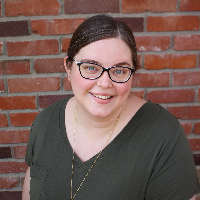



David Ramstad
LMFT
Colorado - 22 yrs exp











How smoking therapy works for Colorado residents
If you are considering help to reduce or stop smoking, therapy can offer structured support that addresses the habits, triggers, and emotions tied to nicotine use. Many therapists use evidence-informed approaches such as cognitive behavioral techniques to identify patterns that maintain smoking, motivational methods to strengthen your commitment to change, and relapse prevention strategies to help you manage setbacks. Therapy often focuses on behavior change - building new routines, managing cravings, and developing skills to cope with stress or social situations that trigger smoking.
In Colorado, therapists may work alone or as part of a broader care team that includes primary care providers or specialists when medication or medical oversight is appropriate. If you live in a city like Denver or Colorado Springs you may have access to clinicians who regularly collaborate with local clinics and pharmacies. If you are in a smaller town you can still access specialized support through online appointments, which allow you to work with therapists who have targeted experience in smoking cessation regardless of distance.
Finding specialized help for smoking in Colorado
When you look for a therapist who specializes in smoking, start by focusing on clinicians who list smoking cessation, nicotine dependence, or habit change in their profiles. You should pay attention to training and experience related to tobacco use and behavior change, as well as whether the therapist offers approaches you are open to trying. In Colorado, some therapists practice out of urban centers like Denver, Aurora, and Boulder while others serve mountain communities and college towns such as Fort Collins. Geography can shape logistics - commuting times, hours that fit your schedule, and the availability of brief in-person check-ins if you prefer occasional face-to-face sessions.
Licensure and scope of practice vary by provider, so make sure any therapist you consider is authorized to work with clients in Colorado. If you plan to use teletherapy, confirm that the clinician is available to provide remote care to Colorado residents. You can also look for therapists who mention working with medications for cessation or who coordinate care with physicians when combined approaches are likely to help. Asking about previous outcomes and how they measure progress can give you a clearer sense of how they help clients reach goals.
What to expect from online therapy for smoking
Online therapy for smoking often mirrors in-person counseling in structure and content, but it uses video or phone sessions to provide convenience and broader access. You can expect a typical session to include a check-in on progress, discussion of difficulties you faced since the last appointment, and practical strategies to use until your next meeting. Therapists commonly assign short exercises or tracking tasks to build awareness about smoking triggers and to practice coping skills between sessions.
Online options are particularly useful in a state like Colorado where people may live far from specialized clinicians or have unpredictable schedules because of work or family commitments. You can schedule sessions before a workday in Denver, after an evening shift in Aurora, or from your home near the mountains without the time and cost of travel. Before starting, make sure you understand the clinician's policies for cancellations, emergency contact procedures, and how they handle coordination with other providers when medication or medical monitoring is part of the plan.
Common signs that someone in Colorado might benefit from smoking therapy
You might benefit from smoking therapy if you find yourself repeatedly trying to quit without lasting success, if cravings are interfering with daily activities, or if smoking is causing stress in relationships or other areas of your life. Many people notice they smoke more during specific routines - on commute routes in a city like Denver, after social events in Aurora, or during solitary moments at home - and feel frustrated by how automatic the behavior has become. If you have increased health worries, financial concerns, or feel that smoking limits your activities in the Colorado outdoors or social life, working with a therapist can help you translate motivation into manageable steps.
Therapy is also helpful when smoking is connected to other concerns such as anxiety, depression, or substance use. Addressing these issues alongside smoking behavior often makes change more sustainable. If you are unsure whether therapy is right for you, a brief consultation with a clinician can help clarify what to expect and whether their approach aligns with your preferences.
Tips for choosing the right therapist for smoking in Colorado
Begin by considering practical factors such as location, scheduling options, and whether the therapist offers evening or weekend hours that match your life. In metropolitan areas like Denver and Fort Collins there may be more clinicians available with niche experience, while in smaller communities you may need to rely on teletherapy to access a therapist who focuses on smoking cessation. Think about whether you prefer someone who uses a directive, skills-based approach or a collaborative style that explores your motivations and values first.
Ask potential therapists about their experience helping people with tobacco use, their typical treatment length, and how they measure progress. Inquire if they integrate medication discussions with medical providers or if they have experience working with people who use nicotine replacement therapy. Consider also how comfortable you feel with their communication style during an initial consult; rapport can be a key factor in staying engaged in the work. You may want to prioritize cultural competence and an understanding of Colorado's diverse communities so that the strategies you receive fit your lifestyle, whether you live in a busy neighborhood in Aurora or a rural area near Boulder.
Practical considerations - cost, insurance, and session format
Cost and insurance coverage can influence your choice. Check whether a therapist accepts your insurance and what out-of-pocket fees look like for teletherapy or in-person sessions. Some clinicians offer sliding scale fees or time-limited treatment packages focused specifically on quitting smoking. If cost is a barrier, you might look for community programs or clinics that refer to therapists experienced in behavioral approaches to smoking reduction. Be sure to confirm payment policies and any paperwork required before beginning so you can focus on your goals rather than logistics.
Making a plan and getting started
Once you select a therapist, the first few sessions are typically about assessment and planning. You and your clinician will set realistic goals and pick initial strategies tailored to your life in Colorado - whether that means building a toolkit for coping with social triggers at a Denver patio, designing routines that avoid smoke cues during long drives, or planning for high-risk situations when you are traveling in the mountains. Your therapist will help you create a step-by-step plan with short-term milestones and long-term supports to maintain progress.
Keep in mind that change often takes time and that setbacks are a common part of the process. A therapist can help you reframe setbacks as learning opportunities and refine your plan so it better fits your needs. By combining behavioral strategies, steady accountability, and coordination with other health providers when necessary, you can make meaningful steps toward reducing or stopping smoking in a way that fits your life in Colorado.
Local resources and next steps
If you are ready to begin, use the listings above to compare therapists by approach, availability, and location. Whether you prefer meeting with someone in person in Denver or Colorado Springs, or working with a clinician online who specializes in smoking cessation, searching profiles and scheduling a brief consultation will help you find the right fit. Taking that first step to connect with a therapist is a practical move toward clearer goals and more control over your smoking-related choices.
Remember that effective support blends skill-building, practical planning, and compassionate guidance. With the right therapist and a plan tailored to your life in Colorado, you can move forward with greater confidence and clarity about the changes you want to make.