Find a Self-Love Therapist in Colorado
This page connects you with therapists in Colorado who focus on self-love and building lasting self-compassion. You will find clinicians practicing across the state, including options for in-person and online care. Browse the listings below to compare specialties, approaches, and availability.













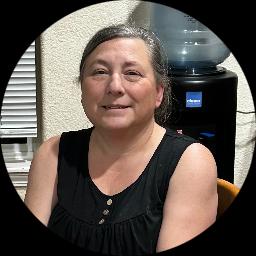
Crystal Gerlock
LCSW
Colorado - 30 yrs exp




How self-love therapy works for Colorado residents
Self-love therapy is an approach that centers on helping you cultivate a kinder relationship with yourself. In Colorado this work often blends evidence-based techniques with an awareness of the local context - whether you live near the urban bustle of Denver, the military communities around Colorado Springs, or the college towns of Fort Collins and Boulder. Your therapist will typically begin with an assessment of what gets in the way of self-compassion for you, then help you set practical goals to shift those patterns over time.
The specific tools you encounter can vary. Some clinicians use cognitive-behavioral techniques to challenge harsh self-talk and replace it with more realistic self-appraisal. Others integrate mindfulness practices that teach you to observe thoughts and feelings without judgement. Compassion-focused approaches and acceptance-based strategies help you tolerate discomfort while building warmth toward yourself. Therapy may also include experiential exercises, role plays, and real-world behavioral experiments so the changes you practice in session translate into your day-to-day life in Colorado.
The typical process and timeline
When you begin self-love therapy, expect an initial intake session where you and the therapist map out priorities and practical concerns like scheduling and fees. Early sessions often focus on developing safety and rapport, then move on to identifying recurring patterns - such as chronic self-criticism, people-pleasing, or avoiding personal needs. Progress is often gradual; some people notice shifts after a few weeks of consistent work, while others take months to change deeply ingrained habits. Your therapist should collaborate with you to set realistic milestones and adapt techniques based on what works.
Finding specialized help for self-love in Colorado
Search strategies that work well in Colorado include looking for therapists who explicitly list self-love, self-compassion, or self-esteem in their specialties. If regional fit matters, narrow your search to nearby cities - for example, therapists in Denver may have different scheduling and community resources than those in Aurora or Colorado Springs. You can also look for clinicians who advertise training in compassion-focused therapy, acceptance and commitment therapy, or trauma-informed care if your self-relationship has roots in difficult experiences.
Consider practical filters as well. Some therapists offer evening or weekend appointments to accommodate busy schedules, while others maintain daytime hours that fit with academic calendars or military routines. Language and cultural competence are also important. In diverse parts of Colorado you may prefer a therapist who shares or understands your cultural background, sexual orientation, or faith context. If cost is a concern, you can prioritize providers who list sliding scale fees or who accept certain insurance plans.
What to expect from online therapy for self-love
Online therapy can be a strong fit if you need flexibility or if there are fewer specialty providers nearby. Through video or phone sessions you can work on self-love skills from your home, a parked car between errands, or another comfortable environment. Many people appreciate that remote therapy allows them to access clinicians in different Colorado regions - for example, you might work with a therapist based in Boulder while living in Aurora because their style and schedule are a good match.
During online sessions you will still engage in the same therapeutic tasks as in-person care - exploring patterns, practicing skills, and reviewing homework. Technology adds convenience but also requires attention to practicalities like stable internet, a quiet room, and a plan for handling strong emotions between sessions. Ask prospective therapists how they handle emergencies and what supports they recommend locally in Colorado if you need in-person resources.
Common signs that someone in Colorado might benefit from self-love therapy
You might consider seeking self-love therapy if you notice persistent self-criticism that affects your mood or decisions, or if you consistently put other people’s needs ahead of your own to your detriment. Difficulty setting boundaries, chronic people-pleasing, and harsh self-judgment after setbacks are common reasons people pursue this specialty. You may also find that negative self-talk interferes with relationships, work, or the ability to enjoy outdoor and community life that Colorado offers.
If transitions - such as a move to a new city, the stress of a demanding job, or changes in relationship status - have intensified self-doubt, targeted work on self-love can help you build more stable emotional resources. Seasonal shifts and the rhythm of life in Colorado can influence mood and motivation, so if you notice that self-criticism rises during certain times of year, a therapist can help you develop coping strategies that fit your lifestyle.
Tips for choosing the right self-love therapist in Colorado
Start by identifying what matters most to you in a therapist—approach, availability, fees, or cultural fit. When you read listings, pay attention to how therapists describe their work. Those who write about collaboration, practical skills, and compassion-focused methods often provide a clear sense of how they help people change self-critical patterns. You can reach out to ask about their experience with self-love related issues and whether they tailor techniques to your goals.
Location can affect your options and your experience. If you prefer in-person sessions, search in your nearest city - Denver offers a wide range of specialists, while Colorado Springs and Aurora also host clinicians who understand the needs of local communities. If you travel for work or recreation, online options give you continuity. Many therapists offer a brief phone or video consultation so you can gauge rapport before committing to a first session. Use that conversation to ask about session structure, homework expectations, and how progress is measured.
Consider practical matters like insurance and payment. Ask whether a therapist accepts your plan or provides documentation if you plan to seek reimbursement. If cost is a barrier, ask about sliding scale options or group programs that focus on self-compassion and skill-building. Group workshops and community-based classes in cities like Boulder or Fort Collins can be an affordable complement to individual therapy and a way to practice new skills with support.
Questions to ask during an initial contact
When you contact a therapist, a few straightforward questions can help you decide if they are a good fit. Ask how they conceptualize self-love work, what methods they use, and how they adapt their approach for people with your background or life circumstances. If you have scheduling needs specific to Colorado life - for example, weekend availability for mountain weekends or flexibility around shift work - mention that early. Trust your instincts about whether you feel heard and respected during the first interaction.
Moving forward with confidence
Choosing to work on self-love is a personal step that can influence many areas of life. In Colorado you have access to a variety of therapeutic styles and a range of practitioners in urban and regional centers alike. Whether you pursue online sessions for convenience or meet in person near Denver, Aurora, or Colorado Springs, prioritize fit and a clear plan for the work you want to do. With consistent effort and the right therapeutic relationship, you can develop kinder self-talk, stronger boundaries, and greater capacity to enjoy the people and places that matter to you.
If you are ready to begin, use the listings above to compare clinicians, reach out for an initial consultation, and take the next step toward building a more compassionate relationship with yourself.