Find a Queer Friendly Therapist in Colorado
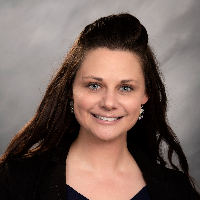
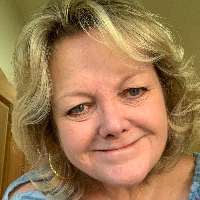
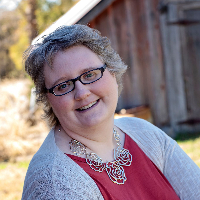
This page lists Queer Friendly therapists in Colorado so visitors can locate counselors and mental health professionals who focus on LGBTQ+ needs across the state. Browse the listings below to compare providers in Denver, Boulder, Aurora and other Colorado communities.















How queer friendly therapy works for Colorado residents
When you look for queer friendly therapy in Colorado you are seeking clinicians who prioritize understanding of LGBTQ+ identities, relationships, and life challenges. In practice this means therapists often integrate knowledge about sexual orientation, gender identity, and the social contexts that shape queer lives into assessment and treatment. Many clinicians who advertise as queer friendly bring experience with coming out processes, relationship diversity, minority stress, and support during gender transition, and they aim to provide a respectful, affirmative approach that recognizes each person as an individual. Whether you live in Denver, Colorado Springs, or a mountain town near Fort Collins or Boulder, queer friendly therapy in Colorado can be offered in person, remotely, or as a hybrid, allowing you to connect in ways that fit your schedule and lifestyle.
Finding specialized help for queer friendly needs in Colorado
Searching for a therapist who understands queer experience often begins by narrowing the field by location and specialties. You might prioritize a therapist with experience in LGBTQ+ issues, training in affirming approaches, or familiarity with specific concerns such as identity exploration, relationship counseling, or family dynamics. In urban centers like Denver and Aurora you will typically find a larger pool of clinicians who list queer affirmative work on their profiles, while in Colorado Springs and other regions there may be fewer options and more need to evaluate individual clinicians closely. Telehealth has expanded access, making it possible to work with a Colorado-based therapist even if they are licensed in a neighboring city or live in a different part of the state. When you read listings, look for descriptions of relevant training, population focus, and ways of working so you can identify who seems to match your needs.
What to expect from online therapy for queer friendly care
Online therapy can be especially useful in Colorado because the state includes both dense urban areas and remote mountain communities. When you choose online queer friendly therapy, expect conversations that mirror in-person sessions - focus on listening, exploring goals, and building coping strategies - while also adapting to a virtual format. Sessions are typically scheduled for a set length, and therapists will discuss personal nature of sessions practices and how they handle emergencies during the first appointment. You may find that online work makes it easier to access clinicians with specialized experience who are not available locally, and it can reduce travel barriers during winter weather or for people living far from major cities. If you plan to access online services from different parts of Colorado, confirm that the therapist is licensed to practice in the state so there are no surprises about legal or professional boundaries.
Practical considerations for remote sessions
Before beginning online therapy you will likely discuss practical matters like session length, fees, and technology platforms. It helps to choose a quiet, comfortable environment where you can speak freely and have minimal interruptions. Some therapists offer flexible hours to accommodate work or schooling, which can be useful if you live in a different time zone or have an irregular schedule. If you prefer a mix of in-person and remote care, ask whether the therapist maintains an office in a nearby city such as Boulder or Fort Collins and whether they offer occasional face-to-face appointments.
Common signs you might benefit from queer friendly therapy in Colorado
You might consider seeking queer friendly therapy if you find yourself grappling with questions about identity, struggling with family reactions, or feeling the effects of discrimination and stress related to being queer. Many people pursue therapy when they experience persistent anxiety, low mood, trouble with relationships, or difficulty navigating life transitions such as coming out, starting a new relationship, or pursuing gender-affirming care. Living in a community that is less accepting, or feeling isolated in rural or mountain areas, can intensify these experiences and make specialized support particularly valuable. If you notice patterns of avoidance, difficulty asserting your needs, or recurring conflicts that relate to your identity, a queer friendly therapist can help you explore these issues and develop coping strategies tailored to your circumstances.
Tips for choosing the right queer friendly therapist in Colorado
Choosing the right therapist is a personal process and there is no one-size-fits-all formula. Start by identifying what matters most to you - experience with transgender care, familiarity with polyamory or nontraditional relationships, faith-sensitive approaches, or trauma-informed methods. Read provider profiles carefully and pay attention to how they describe their work with LGBTQ+ clients. Consider whether you prefer a therapist who shares demographic or cultural backgrounds, or whether you prioritize specific clinical training. It can be helpful to treat the first session as an interview - come prepared with questions about the therapist's experience working with queer clients in Colorado, their approach to goals and measurement of progress, and how they handle emergencies or referrals. If you are seeking a clinician in a particular city like Denver or Aurora, you may also want to ask about office accessibility, parking, or public transit options.
Navigating cost, insurance, and referrals
Financial and logistical factors often influence your choice. Some therapists accept insurance, while others operate on a private pay basis and may offer sliding scale fees. If you plan to use insurance, verify coverage details and whether the therapist is in-network. When insurance is not an option, ask about session rates and any available payment arrangements. You can also inquire about referrals to other community resources in Colorado, such as local support groups, LGBTQ+ health clinics, and legal or housing services if those areas are relevant to your needs. Local community centers and advocacy organizations in cities like Denver and Boulder may have additional referral lists or programs geared to queer communities.
Making the most of therapy in Colorado
To get the most from queer friendly therapy, be clear about your goals and share what is working or not working as you go. Therapy is most effective when you and your clinician collaborate on realistic steps and check progress over time. If you live in a smaller Colorado town and begin working with someone in a larger city, consider how to build a supportive network locally as well - community groups, meetups, or social organizations can complement therapeutic work. For those navigating legal or medical transitions, your therapist can often coordinate with other professionals and provide emotional support during appointments or planning. Remember that finding the right fit can take time; if a therapist does not feel like the right match after a few sessions, it is reasonable to seek a different provider who better meets your needs.
Conclusion
Searching for queer friendly therapy in Colorado involves balancing practical considerations like location and cost with deeper questions about cultural fit and clinical approach. Whether you live in Denver, Colorado Springs, Aurora, Fort Collins, Boulder, or a mountain community, there are therapists who focus on queer-affirming care and can support identity exploration, relationship concerns, and stress related to discrimination or life transitions. Use listings to compare options, prepare questions for initial conversations, and prioritize a therapist who listens and responds to you in ways that feel respectful and helpful. Taking that first step to reach out can open a path toward clearer goals, healthier relationships, and greater confidence in living as your authentic self.