Find a Polyamory Therapist in Colorado
This page lists therapists who specialize in polyamory and consensual non-monogamy across Colorado. Browse profiles below to compare approaches, availability, and areas of focus to find a good match for your needs.








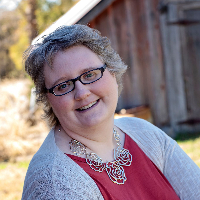
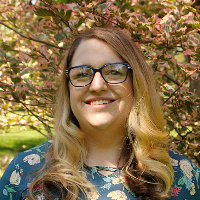



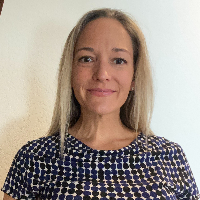
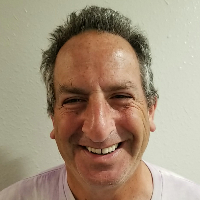









How polyamory therapy typically works for Colorado residents
If you are considering polyamory therapy in Colorado, you will find that most clinicians tailor sessions to the unique structure of your relationships. Therapy for non-monogamous people often centers on communication, boundary-setting, and negotiating agreements that respect everyone's needs. Sessions may focus on individual concerns, couple dynamics, or multi-partner arrangements, and a therapist will work with you to define goals and boundaries that feel manageable and meaningful.
In practice you can expect an initial assessment that explores your relationship network - who is involved, what agreements exist, what source of stress has brought you to therapy, and what you hope to change. From there a therapist will co-create a plan that could include skill-building around conflict resolution, emotional regulation, and trauma-informed care when past experiences affect present relationships. Many Colorado therapists emphasize an affirmative, nonjudgmental stance toward consensual non-monogamy so that you can speak openly about jealousy, polycule logistics, or parenting concerns.
Finding specialized help for polyamory in Colorado
When looking for a specialist in polyamory you will want to consider both clinical training and lived experience. Start by searching directories and local referrals for terms like "consensual non-monogamy," "ethical non-monogamy," or "polyamory-aware." Look for therapists who mention specific experience with multi-partner dynamics, boundary negotiation, and sex-positive approaches. In urban areas such as Denver and Boulder you may find clinicians who run groups or workshops on polyamory, while in places like Colorado Springs and Aurora there are therapists who combine experience with community resources to support military families and diverse populations.
Another useful way to find the right fit is to review therapist profiles for cultural competence and queer-affirming practice. Many people in non-monogamous relationships intersect with LGBTQ+ identities, alternative relationship models, and varied family structures, so you may prefer a therapist who highlights experience in those areas. If you live in Fort Collins or travel to the Front Range, you can often find clinicians who offer a mix of in-person and online appointments to accommodate school, work, and family schedules.
What to expect from online therapy for polyamory
Online therapy has become a practical option for many Coloradans, especially if you live outside major metro areas or if your relationship network spans multiple locations. With virtual sessions you can include partners from different households, schedule sessions that suit everyone's availability, and access therapists who specialize in polyamory even if they are based in another city. When choosing online therapy, confirm that the therapist is licensed to work with clients in Colorado and ask about their experience facilitating sessions with more than two participants.
Online sessions are often structured similarly to in-person work - you will set goals, practice communication techniques, and receive homework to help integrate what you learn. Therapists sometimes use screen-sharing or secure video platforms to review agreements, visual maps of relationship networks, or written communication contracts. If you plan to include multiple partners in a session, discuss logistical details ahead of time - such as who will be present, how you will manage turn-taking, and whether individual sessions are needed in addition to group meetings.
Common signs you might benefit from polyamory-focused therapy
You might consider specialized therapy if recurring jealousy or insecurity interferes with your relationships, or if negotiations about time, finances, or parenting are causing repeated conflict. Other common signs include difficulty establishing or maintaining boundaries, frequent misunderstandings about agreements, or a mismatch in sexual or emotional needs that leaves one or more partners feeling resentful. People also seek help after a new partner joins a network and existing agreements no longer fit the expanded reality.
In Colorado, life transitions such as moving to a new city, starting a job in Denver or Colorado Springs, or navigating military relocations can intensify relationship stress. Therapy can help you adapt agreements and communication styles so that changes do not derail important connections. You may also benefit from therapy if you are exploring polyamory for the first time and want guidance on how to have respectful, informed conversations with potential partners.
Practical tips for choosing the right polyamory therapist in Colorado
Begin with clarity about your needs - are you seeking individual support, couples therapy, or sessions that include multiple partners? Once you know what you want, look for clinicians who state experience with consensual non-monogamy and who describe their theoretical approach, such as emotion-focused therapy, attachment-informed work, or sex-positive counseling. Read profiles to see if they mention work with related issues like trauma, minority stress, or relationship coaching, since those areas often intersect with polyamorous relationships.
It is helpful to schedule an initial consultation to get a sense of the therapist's style and whether you feel heard. Prepare questions in advance - ask about their experience with multi-partner sessions, how they support agreements and jealousy, and what boundaries they typically encourage. In cities like Aurora and Denver you may have more in-person options, while elsewhere you might prioritize a clinician who offers flexible evening hours or online appointments to accommodate different schedules.
Consider practical factors such as fees, insurance acceptance, and sliding scale options. Many therapists in Colorado work on an out-of-pocket basis, but some accept insurance plans or offer reduced rates. Ask about session length and whether they recommend a combination of individual and network meetings. Finally, trust your instincts about rapport - a therapist who listens without judgment and shows curiosity about your relationships is often the best place to begin work.
Preparing for your first sessions and next steps
Before your first session, take time to clarify what you hope therapy will achieve. You might write down specific incidents that brought you to therapy, outline current agreements and tensions, or list strengths in your network that you want to preserve. If you plan to invite partners to a session, agree in advance on the goals for that meeting and any topics that should remain for individual appointments. Bringing a timeline of relationship milestones and any communication patterns that repeat can give your therapist a rich starting point.
As you move forward, expect the work to be both practical and reflective - you will practice conversation skills, learn to identify underlying emotions, and experiment with new ways of organizing time and attention. Over time you should notice clearer agreements, fewer repeated conflicts, and a stronger capacity to navigate change. Whether you live near Denver, commute through Boulder, or are based in Colorado Springs or Fort Collins, the right therapist can help you create relationship structures that reflect your values and support well-being across the people you care about.
Finding local supports and continuing your search
In addition to individual therapy, you may find group workshops, community meetups, and educational events helpful for learning from others with similar experiences. Local mental health clinics, university programs, and community centers sometimes host events that focus on ethical non-monogamy and relationship skills. Use directory profiles to filter by approach and availability, and reach out to potential therapists to ask about waiting lists or group offerings. Taking these steps will help you connect with clinicians who understand polyamory and who can support the specific challenges and strengths of your relationships in Colorado.
Therapy is a process, and finding the right match can take time. By prioritizing experience with consensual non-monogamy, clear communication about logistics and goals, and a clinician who respects your values, you increase the likelihood that therapy will help you navigate the complexities of polyamory with more confidence and care.