Find an OCD Therapist in Colorado
This page lists therapists who specialize in OCD across Colorado, including clinicians practicing in Denver, Colorado Springs, Aurora and nearby communities.
Browse the listings below to compare treatment approaches, read clinician profiles, and reach out to schedule a consultation.


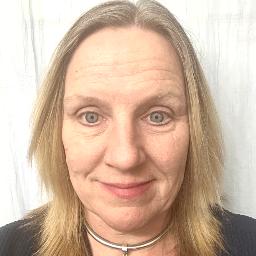
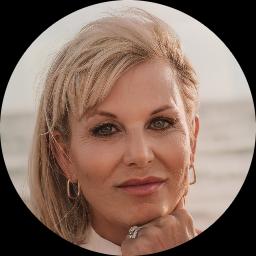
Crystal Gerlock
LCSW
Colorado - 30 yrs exp





How OCD therapy typically works for Colorado residents
If you are exploring therapy for obsessive-compulsive concerns in Colorado, you will find that the process usually begins with an intake conversation to understand your history, symptoms, and goals. That initial session helps a clinician learn how your thoughts, routines, or worries are affecting your daily life - at work, at home, and in relationships. From there you and your therapist will collaborate on a plan that fits your needs, which often includes structured sessions, homework between visits, and periodic reviews of progress. Many therapists in Colorado combine practical strategies with skills training so you can practice coping techniques outside of sessions and measure small changes over time.
Assessment and personalized planning
Assessment may include standardized questionnaires and a detailed clinical interview so a therapist can identify patterns and triggers. You should expect a discussion of what you currently do to manage distress, what has helped or not helped in the past, and how your day-to-day functioning is affected. This information informs a personalized plan that reflects your priorities - whether your focus is reducing time spent on compulsions, improving concentration at work, or feeling more comfortable in social settings. Because Colorado has both urban centers and rural communities, practitioners often tailor plans to the practical realities of where you live and how you can access care.
Finding specialized help for OCD in Colorado
When you look for a specialist, prioritize clinicians who list experience with obsessive-compulsive presentations and related therapies. Many therapists in Denver and Boulder have additional training in exposure-based methods, while practitioners in Colorado Springs and Aurora may offer a mix of in-person and remote appointments to accommodate different schedules. You can search clinician profiles to learn about their training, typical session length, and whether they work with adults, teens, or families. Local universities, clinics, and community mental health centers also often provide referral resources if you are seeking a therapist with a particular focus or expertise.
Local considerations
Geography matters in Colorado. If you live near a major city like Denver, you may have more options for clinicians who specialize in obsessive-compulsive concerns, including group programs or intensive outpatient offerings. If you are outside a metropolitan area, you will still find qualified clinicians who provide teletherapy or who travel between communities. Weather and seasonal patterns can influence how you schedule sessions and homework assignments - for example, outdoor exposures or activity-based tasks may be easier in milder months, and therapists in mountain towns will often adapt plans for winter conditions.
What to expect from online therapy for OCD
Online therapy expands access to clinicians across Colorado, letting you connect with specialists beyond your immediate town. When you choose teletherapy, your sessions will typically follow the same structure as in-person visits: review of progress, targeted exercises, and collaborative planning. Therapists may guide you through exposure practices using video sessions, coach you while you try a task in real time, and assign activities that you do between appointments. Online work can be especially convenient if you travel between Denver and other regions, or if you prefer not to commute during rush hour.
Practical tips for teletherapy
Before your first video session, check that your device and internet connection support a stable call and find a quiet area where you can focus. Talk with your therapist about how to handle distress during exposures and what to do if you need extra support between sessions. Many Colorado clinicians maintain flexible scheduling to accommodate work hours and mountain time-zone differences, and they can help you plan exposures that make sense in your home or neighborhood. If you prefer a mix of in-person and online care, ask about hybrid options so you can get the benefits of both formats.
Common signs that someone in Colorado might benefit from OCD therapy
OCD-related difficulties can show up in different ways, and you do not need to fit a single profile to seek help. You might find that intrusive thoughts occupy significant time each day, or that certain rituals or checking behaviors interfere with your ability to work, drive, or be with loved ones. Sometimes people notice avoidance - declining invitations, steering clear of places, or changing routines to reduce discomfort. If worry or repetitive behaviors are causing distress, reducing your ability to function, or making it harder to enjoy activities in Denver, Fort Collins, or elsewhere in Colorado, reaching out to a clinician can help you explore options.
Impact on daily life
You may notice that symptoms affect specific areas such as work performance, relationships, or concentration. For parents and caregivers, observing these patterns in a teen or child is also a valid reason to consult a professional. Therapy is not about labeling but about developing practical strategies to lessen the ways intrusive thoughts and behaviors limit your life. A clinician can help you distinguish between temporary stress-related habits and patterns that would benefit from targeted intervention.
Tips for choosing the right therapist for OCD in Colorado
Begin by looking for therapists who explicitly mention experience with obsessive-compulsive concerns and who describe the approaches they use. Cognitive-behavioral methods and exposure-based practices are commonly recommended for this type of work, but what matters most is that you feel comfortable with the therapist's style and plan. Pay attention to whether a clinician explains their methods clearly, discusses expected session structure, and invites your questions. You should also consider logistical factors like location, availability, fees, and whether they accept your insurance or offer sliding-scale options.
Questions to ask during intake
When you contact a therapist in Aurora, Boulder, or another Colorado community, ask about their experience with exposures and how they individualize treatment. Inquire about session frequency and homework expectations so you can plan around work, university schedules, or seasonal travel. If you have concerns about cultural fit - for example preferences related to background, language, or identity - bring these up early so you can find someone who understands your context. Most therapists will welcome your questions and provide a sense of how they would approach your goals.
Making the first step feel manageable
Reaching out for specialized help can feel daunting, but you do not need to solve everything at once. Start by scanning profiles for clear descriptions of training and approach, then request an initial consultation to see how you connect with a clinician. If the first match is not the right fit, it is reasonable to try a different practitioner until you find someone who aligns with your needs and schedule. Whether you are in Denver, Colorado Springs, Fort Collins, or a smaller town, there are clinicians who focus on obsessive-compulsive concerns and who can help you create a practical path forward.
Therapy is a collaborative process that aims to give you tools to reduce the hold of unhelpful patterns and to expand what you can do in daily life. By choosing a therapist with relevant experience, asking clear questions about approach and logistics, and considering both in-person and online options, you increase the likelihood of finding a good fit. Use the listings above to begin that search, and reach out when you are ready to take the next step.