Find a Money and Financial Issues Therapist in Colorado
This page lists Colorado therapists who specialize in money and financial issues so you can review profiles and find someone who fits your needs. Browse the listings below to compare experience, therapeutic approaches, and locations across Denver, Colorado Springs, Aurora and other Colorado communities.










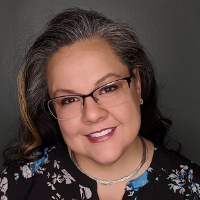
Heather Raymo
LCSW
Colorado - 29 yrs exp


David Ramstad
LMFT
Colorado - 22 yrs exp











How money and financial issues therapy works for Colorado residents
If you are feeling overwhelmed by debt, anxious about budgeting, or noticing that money conflicts are affecting relationships, therapy can help you unpack the emotional side of finances. In therapy you will work with a clinician to explore beliefs about money that shape your choices, to identify patterns that keep you stuck, and to develop practical strategies for behavior change. Sessions combine psychotherapeutic techniques with practical financial coaching elements - for example, you may examine childhood messages about money, practice communication skills for talking about finances with partners, and set manageable steps for improving day-to-day money habits.
For Colorado residents, therapy often takes into account local economic factors such as housing costs in cities like Denver and Boulder, employment trends in places like Aurora and Fort Collins, or lifestyle choices common in mountain communities. A therapist who understands the regional cost of living and local resources can offer guidance that feels relevant and grounded in your local context.
Finding specialized help for money and financial issues in Colorado
Start by considering what aspect of finances is most important for you to address. Some therapists emphasize anxiety and stress related to money, while others focus on debt, compulsive spending, or couples work around shared finances. You can search for clinicians who list money-related specialties in their profiles and read about their training and approach. Many therapists working in Colorado will note experience with couples therapy if money fights are part of the problem, or trauma-informed approaches if financial behaviors are tied to past insecurity.
When you review profiles, look for descriptions that describe both therapeutic orientation and practical tools. You may prefer a therapist who blends cognitive-behavioral methods with budgeting skill-building, or someone who uses mindfulness to reduce impulsive spending. Asking about familiarity with local resources - such as nonprofit credit counseling services, community financial workshops, or employment assistance programs in Colorado Springs or Denver - can help you find someone who can connect you to concrete support outside of sessions.
What to expect from online therapy for money and financial issues
Online therapy is a common option for people across Colorado who want flexibility or cannot easily attend in-person sessions. With online therapy you can work with therapists who live in different parts of the state, which expands your options if you live in a smaller town. Sessions typically take place by video or phone and offer many of the same interventions as in-person work, including cognitive restructuring, behavioral experiments, role plays for money conversations, and planning exercises for debt repayment or savings.
When using online therapy, you should expect a clear explanation of how sessions will be conducted and what materials might be used between meetings. Therapists often share worksheets, budgeting templates, or communication scripts for you to practice. If you live in Denver, Aurora, or Fort Collins you may prefer a clinician who can occasionally meet in person; inquire about hybrid options if that is important to you. Make sure the technology works well for your needs and that you have a quiet place to talk during sessions.
Common signs you might benefit from money and financial issues therapy
You may benefit from specialized therapy if money worries are causing persistent anxiety, interfering with sleep, or taking up a large part of your daily thoughts. If arguments about finances are frequent in your relationships, or if you avoid conversations about money because of shame or fear, therapy can provide a structured environment to address those patterns. People also seek help when financial behaviors feel compulsive - for example, repetitive online purchases that create debt - or when life transitions such as divorce, job loss, or a move to a new city leave you uncertain about how to make decisions.
Other signs include difficulty following a budget despite repeated attempts, chronic procrastination around bills, or using spending to soothe emotions. If financial decisions are linked to past trauma or to family expectations that feel heavy, a trauma-informed therapist can help you untangle those connections. In communities like Boulder or Colorado Springs, where social pressures and lifestyle costs can influence money choices, speaking with a clinician who understands local norms may help you create goals that fit your values and circumstances.
Tips for choosing the right therapist for this specialty in Colorado
Start by reflecting on your goals and the style of support you want. Do you need someone who will provide hands-on budgeting tools, or do you want a therapist who focuses more on the emotional roots of money behavior? When you contact a clinician, ask about their experience with the particular money issue you are facing and whether they incorporate practical financial tools into therapy. It is reasonable to ask about their experience working with clients in relationships if you need couples work, or their familiarity with local Colorado resources if connecting with community services matters to you.
Consider logistical factors as well. If you live in a busy urban area like Denver or Aurora you may have access to more in-person options, while those in rural parts of Colorado might find online sessions more convenient. Think about scheduling, session frequency, and whether the therapist offers evening appointments if you work nontraditional hours. Trust your initial impressions during a consultation session - feeling understood and respected are key to progress. If a clinician's approach does not feel like a good fit, it is okay to try another provider until you find the right match.
Working with couples or family around finances
If your financial concerns involve a partner or family, choose a therapist who explicitly offers couples or family therapy. Money conversations can trigger long-standing patterns of control, avoidance, or blame, and a clinician skilled in relational dynamics can guide you both toward clearer communication and shared decision-making. In Denver and Colorado Springs you will find clinicians who specialize in mediating financial discussions and helping partners create shared budgets or spending agreements that reflect both practical needs and individual values.
Practical next steps
Begin by making a short list of what you want to change and what you hope to achieve in therapy. Use the listings on this page to read therapist profiles, noting approaches and experience that align with your goals. Schedule an initial consultation to ask about their methods, what a typical session would look like, and how they measure progress. Bring a recent budget or a few examples of money-related conflicts to your first sessions - these concrete items can help you and your therapist create a realistic plan.
Finding support across Colorado
Whether you live in a mountain town near Fort Collins, a suburban neighborhood in Aurora, or the urban core of Denver, there are therapists focusing on money and financial issues who can help you develop healthier habits and clearer decision-making. Therapy can reduce the emotional burden around money, improve communication with loved ones, and equip you with practical skills for everyday financial management. Taking the first step may feel challenging, but reaching out to a therapist listed here can connect you to tailored support that reflects both your psychological needs and the realities of living in Colorado.
As you explore profiles and schedule consultations, remember that progress often comes through small, consistent changes and collaborative work with a clinician who understands both the emotional and practical sides of finances. Browsing the listings below is a practical next step toward finding help that fits your life and your goals in Colorado.