Find a Jealousy Therapist in Colorado
This page lists therapists in Colorado who specialize in jealousy and relationship trust concerns. Browse the listings below to compare clinicians by approach, location, and experience and reach out to those who match your needs.


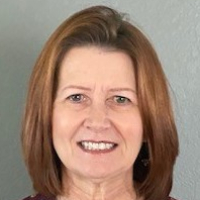






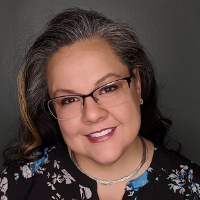
Heather Raymo
LCSW
Colorado - 29 yrs exp











How jealousy therapy works for Colorado residents
When you seek help for jealousy, a therapist begins by learning about your history, relationship patterns, and what triggers strong feelings for you. Therapy for jealousy often focuses on understanding the underlying emotions - such as fear of loss, insecurity, or past betrayals - and developing practical skills to respond differently. Sessions can be individual if you want to explore personal triggers and attachment styles, or they can be couples sessions that help you and your partner build healthier communication and boundaries.
Initial assessment and setting goals
Your first few sessions typically involve an assessment where you describe recent events, recurring thoughts, and how jealousy affects your day-to-day life. Together with your therapist you set goals that may include reducing compulsive checking, improving trust and communication, calming anxious reactions, or repairing relationship damage. Therapists will tailor a plan that fits your circumstances and the pace you prefer, and you can revise goals as you make progress.
Common therapeutic approaches
Therapists treating jealousy commonly use cognitive approaches to identify and challenge unhelpful thoughts, emotion-focused work to process underlying hurts, and communication skills training so partners can express needs without escalating conflict. Mindfulness and stress management techniques are often included to help you tolerate strong feelings without acting impulsively. If trauma or attachment wounds are present, therapists may integrate focused approaches to address those experiences while staying within a general counseling framework rather than making clinical claims.
Finding specialized help for jealousy in Colorado
Searching for a therapist who has specific experience with jealousy can make a meaningful difference. Start by looking for clinicians who list relationship issues, jealousy, or attachment concerns among their specialties. Pay attention to professional credentials and whether they offer individual or couples work, since jealousy often plays out within relationships. You can prioritize clinicians who practice near the major population centers such as Denver, Colorado Springs, and Aurora, or consider clinicians in university towns like Boulder and Fort Collins if those locations are more convenient.
Consider practical factors such as availability for evening sessions, whether they accept your insurance or offer a sliding scale, and whether they have experience with issues similar to yours - for example, managing jealousy after infidelity, coping with long-distance relationships, or navigating non-monogamous arrangements. Asking for an initial consultation or a brief phone call can help you gauge fit before committing to regular appointments.
What to expect from online therapy for jealousy
Online therapy is an increasingly common option in Colorado, giving you access to clinicians across the state without travel. If you live in a more rural area or have a demanding schedule in Denver or Aurora, teletherapy can make regular sessions more practical. Online sessions often use video for face-to-face interaction and may include phone or messaging between appointments as appropriate to the clinician's practice.
How online sessions differ from in-person work
Therapy delivered online follows many of the same steps as in-person work - assessment, goal-setting, skill-building, and practice between sessions. You may find it easier to maintain consistency since you do not have to commute, and you can select a clinician whose methods and experience align with your needs even if they are not in the same city. It is still important to confirm that the clinician is licensed to practice with Colorado residents and that they explain their policies for appointments, fees, and cancellations.
Preparing for effective online therapy
Before your first online session, choose a quiet, comfortable environment where you can speak openly. Test your internet connection and device, and think about a few recent examples that illustrate your patterns of jealousy so you can discuss them during the session. If you plan to do couples work online, coordinate with your partner about a convenient time and place where both of you can participate without interruptions.
Common signs you might benefit from jealousy therapy
You might consider therapy if jealousy is causing frequent arguments, persistent worry, or efforts to monitor a partner that feel out of proportion. Other signs include checking a partner's messages or social media more often than you want, intrusive thoughts that interfere with work or sleep, or repeated cycles of accusation and apology that do not lead to lasting change. You may also seek help if jealousy is isolating you from friends, undermining trust, or prompting patterns of withdrawal or anger that feel hard to control.
People in different Colorado communities face unique pressures. For example, long commutes and demanding work schedules in the Denver metro area can reduce time for relationship repair. Military or shift work near Colorado Springs may create separations that trigger insecurity. Recognizing how local lifestyle factors influence your relationship patterns can be part of useful therapy work.
Tips for choosing the right therapist for jealousy in Colorado
Choosing the right therapist involves both practical considerations and a sense of interpersonal fit. Look for clinicians who list jealousy or relationship concerns among their specialties and who have experience with the type of relationship you have - whether monogamous, non-monogamous, newly partnered, or long-term. Check credentials and licensure to make sure they are authorized to practice with Colorado residents, and verify whether they work with individuals, couples, or both.
Think about logistics such as location, hours, fees, and whether they offer teletherapy if you need flexibility. Cultural competence and an ability to understand your specific background and values are important, so ask about experience with diversity, sexual orientation, and different family structures. Many therapists offer a brief introductory call that lets you ask about their approach and see how you feel talking to them. That initial impression often matters more than a long list of credentials.
Questions to ask when you reach out
When you contact a therapist, consider asking how they typically approach jealousy, whether they do couples work, what a typical session looks like, how long treatment might take for concerns like yours, and what steps they recommend between sessions. You can also ask about availability for evenings or weekends, payment options, and how they handle sessions if your partner will participate. These practical details help you decide whether a clinician is a good match for your needs and schedule.
Local considerations and resources in Colorado
Colorado offers a range of resources from urban centers to smaller communities. In Denver and Aurora you may find larger networks of clinicians and specialized couples programs, while university communities in Boulder and Fort Collins offer therapists who are familiar with young adult and campus-related relationship dynamics. Colorado Springs supports many families and military-affiliated residents whose schedules and separations can shape jealousy concerns. If you live outside the major cities, teletherapy expands your options and can connect you with a specialist who understands the nuances of jealousy work.
Community health centers, employee assistance programs, and university counseling services can also be sources of referrals. If cost is a concern, ask clinicians whether they provide sliding scale fees or short-term treatment plans focused on specific skills and goals.
Next steps
Start by browsing the therapist listings on this page to find clinicians who specialize in jealousy and relationship issues in Colorado. Contact a few to ask about their approach and availability, and schedule an initial session to see how the clinician’s style fits your needs. Whether you choose in-person sessions in Denver or Aurora or online work from elsewhere in the state, finding a supportive clinician can help you develop healthier responses to jealousy and rebuild trust in your relationships.
If you are ready, reach out to a therapist today to learn more about how they can help you navigate jealousy and strengthen relationships across Colorado.