Find a Domestic Violence Therapist in Colorado
This page lists therapists who specialize in domestic violence therapy across Colorado, including practitioners offering in-person and online appointments. Browse the listings below to compare qualifications, specialties, and appointment availability.


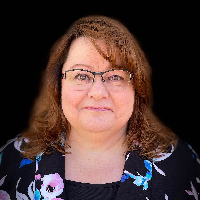
Crystal Gerlock
LCSW
Colorado - 30 yrs exp





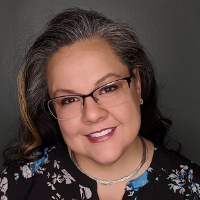
Heather Raymo
LCSW
Colorado - 29 yrs exp










How domestic violence therapy works for Colorado residents
If you are seeking support after experiencing domestic violence, therapy can offer a focused space to process what happened, build safety strategies, and work toward healing. In Colorado, services are provided in a variety of settings - community clinics, private practices, nonprofit centers, and via online sessions that allow you to connect with a therapist from home. Therapists who specialize in domestic violence often employ trauma-informed approaches, which means they pay attention to safety, trust, and pacing as they work with you. Your first sessions typically involve assessment - understanding your current circumstances, immediate safety needs, and goals for therapy - and developing a plan that reflects your priorities.
Initial steps and assessment
The initial stages of therapy are practical and person-centered. A clinician will ask about your experience, support network, and any immediate concerns for your wellbeing. They will also discuss personal nature of sessions boundaries and what will happen if there are safety risks or legal requirements to report. In Colorado, providers may be familiar with state-specific resources such as local domestic violence hotlines, emergency shelters, and community advocacy services, and they can guide you toward those services if needed. If you are concerned about personal nature of sessions in your living situation, therapists will work with you to plan sessions and communications in a way that reduces risk.
Therapeutic approaches you may encounter
Treatment may draw from several evidence-informed modalities, adapted to your needs. Many clinicians use trauma-focused cognitive-behavioral strategies to help you process traumatic memories and change distressing patterns. Others integrate strengths-based and empowerment approaches to rebuild a sense of agency after abuse. Some therapists offer family systems or couples-based work when it is safe and appropriate, though couples therapy is typically not recommended when violence is ongoing. Your provider will explain the rationale for different approaches and tailor interventions to your pace and comfort level.
Finding specialized help for domestic violence in Colorado
When searching for a clinician in Colorado, look for professionals who explicitly list domestic violence, intimate partner violence, or trauma among their specialties. Many therapists will note additional training in trauma work, crisis intervention, or advocacy. You can also search by location to find clinicians near major population centers such as Denver, Colorado Springs, Aurora, Fort Collins, and Boulder. Local community organizations and advocacy groups often maintain updated referral lists and can point you to culturally responsive providers or those with experience working with survivors from specific communities.
Considerations for location and access
Where you live in Colorado may influence the kinds of services available. Urban areas like Denver and Aurora generally offer a wider range of specialized providers and support services, while more rural communities may rely on regional clinics or telehealth for access. If transportation, childcare, or work schedules make in-person visits difficult, online therapy can expand your choices and help you connect with specialists who may not be located nearby. When choosing a local provider, it can be helpful to confirm whether they coordinate with legal advocates, medical providers, or shelters should you need additional support.
What to expect from online therapy for domestic violence
Online therapy has become a common way to receive care in Colorado, especially for people who need flexibility or live outside major metropolitan areas. You can expect many of the same therapeutic techniques to be available virtually as in person, including trauma-focused interventions and skills-based work for managing anxiety and hypervigilance. Your therapist will discuss practical considerations such as how to create a private space for sessions, ways to manage technology interruptions, and contingency plans if an emergency arises during a video session. It is important to agree on secure methods of communication and clear protocols for scheduling or cancelling sessions.
Benefits and limitations
Online therapy can offer increased access to specialists, reduced travel time, and continuity of care if you relocate within Colorado. For some people, engaging from a familiar environment can feel safer and more comfortable. However, there are limitations to consider - for instance, if you are in immediate danger or living with an abusive partner, arranging truly personal sessions may require careful planning. A therapist can help you assess whether virtual sessions are appropriate for your situation and suggest alternative supports if they are not.
Common signs that someone in Colorado might benefit from domestic violence therapy
There are many reasons someone may seek help after experiencing domestic violence. You might find you have persistent anxiety, trouble sleeping, intrusive memories, or a heightened startle response. Changes in mood, withdrawal from friends and family, difficulty concentrating at work, or physical symptoms without a clear medical cause can also be signals that support could help. Some people seek therapy because they want to strengthen safety planning, navigate legal or housing systems in Colorado, or rebuild trust and intimacy after abuse has ended. It is important to know that seeking help is a valid response at any stage of the journey - whether you are currently in a relationship, recently left, or dealing with the long-term aftermath of past abuse.
Tips for choosing the right therapist for this specialty in Colorado
Begin by clarifying your priorities - whether you want trauma-focused therapy, assistance with safety planning, help working with family dynamics, or support coordinating with community resources. When you read therapist profiles, pay attention to their stated experience with domestic violence and trauma, their approach to safety, and whether they offer both in-person and online sessions. You may prefer someone who has experience with the legal and social services systems in Colorado, or who offers culturally responsive care if that matters to you. Trust your instincts during an initial consultation - the right therapist will listen without judgment, validate your experiences, and outline a collaborative plan that feels manageable.
Questions to ask during an initial call
When you contact a therapist, you can ask how they handle safety planning, what their experience is with domestic violence survivors, and what approaches they typically use in early sessions. It is reasonable to inquire about session frequency, fees or insurance acceptance, and how they coordinate with community resources. If you need accommodations - for language, accessibility, or scheduling - ask whether those can be arranged. A transparent conversation early on can help you determine whether a therapist is a good match.
Finding ongoing support in Colorado
Domestic violence recovery is often a long-term process that combines therapeutic work with practical supports. In Colorado, you can connect therapy with advocacy services, legal assistance, housing resources, and peer support groups. Major cities such as Denver, Colorado Springs, and Aurora tend to have a wider array of services, but many counties offer resource networks that can help you navigate options statewide. Whether you choose in-person care in your community or work with a specialist online, building a team that understands your goals can make the path forward clearer.
Remember that reaching out for help is a strong step toward reclaiming control over your life. Take your time to find a therapist whose approach and experience feel right for you, and use the listings above to compare credentials, offerings, and availability across Colorado.