Find an Aging and Geriatric Issues Therapist in Colorado
This page connects you with therapists who focus on aging and geriatric issues across Colorado. You will find profiles of clinicians offering in-person and online support tailored to older adults and their caregivers.
Browse the listings below to compare specialties, locations, and services and reach out to schedule an initial appointment.










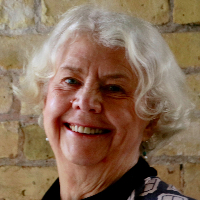
Dr. Georgia Robertson
LPC
Colorado - 23 yrs exp







How aging and geriatric issues therapy works for Colorado residents
Therapy for aging and geriatric concerns is designed to address the emotional, cognitive, and social changes that often come with later life. In Colorado this work may take place in clinic offices near city centers, in community health settings, at assisted living facilities, or through online sessions if mobility or distance makes travel difficult. When you begin, a therapist will typically gather your life history, current health context, and the concerns that brought you in. That assessment helps shape a flexible plan that may include short-term coping strategies, longer-term supports, or recommendations to coordinate care with medical providers, social services, or community resources.
Therapists who specialize in geriatric care understand how aging interacts with mood, memory, chronic illness, grief, bereavement, and changes in role and independence. They adapt pacing, communication style, and therapeutic approaches to match your hearing, vision, attention, and energy levels. You can expect sessions to focus on practical problem solving, emotional processing, and strategies to maintain meaning and connection as circumstances change.
Finding specialized help for aging and geriatric issues in Colorado
Finding the right clinician often begins with narrowing the focus of the help you want. Some therapists emphasize memory-related concerns and work closely with neurologists and primary care teams. Others focus on caregiver support, end-of-life transitions, or mood and anxiety in later life. In urban centers like Denver and Boulder you may find clinics with multidisciplinary teams that include social workers, neuropsychologists, and geriatric care managers. In Colorado Springs and Aurora clinicians may be closely integrated with community aging services, while Fort Collins has providers who concentrate on a wellness-oriented approach tied to active living in the region.
If you live in a rural area of Colorado, online options can expand access to therapists who have geriatric training. When researching providers, look for clear descriptions of experience with older adults, familiarity with common age-related medical issues, and a collaborative approach to working with families and medical teams. You can also ask about local affiliations, whether the therapist has experience with assisted living or long-term care, and whether they coordinate with case managers or hospice services when that becomes relevant.
What to expect from online therapy for aging and geriatric issues
Online therapy can be a practical choice for older adults who have limited transportation, live far from specialty clinics, or prefer to receive care at home. You should expect providers to use video platforms that allow you to see facial expressions and body language, and to offer alternatives if vision or hearing makes video challenging. Sessions may be shorter than typical appointments to accommodate attention and energy, or they may be longer when family members join to discuss care planning. Therapists will guide you through basic technology setup and may perform brief safety and comfort checks at the start of each online session.
For online therapy to work well, you should let the clinician know about any medications, hearing aids, mobility devices, or cognitive changes that affect communication. You may be asked to identify a local emergency contact or support person if situations arise between sessions. Many Colorado therapists are experienced in offering supportive therapy, problem solving, and caregiver coaching via telehealth while ensuring that notes and records follow professional standards for documentation and follow-up.
Common signs someone in Colorado might benefit from aging and geriatric issues therapy
You might consider seeking a therapist if you notice persistent sadness or anxiety that does not ease with time, if memory difficulties begin to interfere with daily activities, or if changes in sleep, appetite, or motivation become noticeable. Social withdrawal, frequent confusion about routines, unexplained falls, or increasing stress among family members responsible for care are also signals that therapy could help. Caregivers themselves often need support when exhaustion, resentment, or grief make it harder to provide care without becoming overwhelmed. Therapy can help with coping strategies, planning conversations about future care preferences, and managing communication among family members who live in different parts of Colorado or out of state.
Geography can shape the kinds of stress you face. Living alone in a mountain town, moving from a long-term family home to an assisted setting, or navigating transitions after a medical event are all situations where a therapist can offer practical guidance and emotional support. If you are relocating to or from a city like Denver, Colorado Springs, or Aurora, a therapist can also help you connect with local resources and social programs that support aging in place or transition to supportive communities.
Tips for choosing the right therapist in Colorado
When you evaluate potential therapists, consider whether they have specific training in gerontology, experience with cognitive evaluations or caregiver interventions, and a history of collaborating with medical professionals. It is helpful to ask about the therapist's approach to memory-related concerns, whether they use evidence-based methods adapted for older adults, and how they include family members or care partners in sessions when appropriate. Practical questions about fees, insurance billing, sliding scale options, and whether they accept Medicare or state programs will help you plan for ongoing care.
You may want to schedule a brief introductory conversation to get a sense of the therapist's communication style and whether you feel comfortable with them. Comfort, trust, and clear expectations are especially important in geriatric work because changes may be gradual and progress may look different than in younger adult therapy. If the first match does not feel right, it is reasonable to try another clinician until you find one who fits your needs and preferences.
Where to start and what to bring to your first appointment
Begin by reviewing clinician profiles in your area to identify those who note geriatric experience or who mention collaboration with medical teams. Prepare a brief summary of your current health conditions, medications, recent hospitalizations, and any memory or mood changes you have noticed. If possible, bring a list of questions you want to address and identify a family member or care partner you may want to involve. If you will attend online, test your device and internet connection ahead of time and choose a quiet, well-lit room where you can speak comfortably and without frequent interruptions.
Once you begin therapy, expect ongoing reassessment of goals and adjustments to the plan as needs change. Many people find that early sessions focus on stabilization and practical supports, while later work centers on meaning, relationships, and quality of life. Therapists in Denver, Colorado Springs, Aurora, Fort Collins, and Boulder are familiar with the region's services and can often help you navigate local community programs, senior centers, and medical specialists to build a network of support that fits where you live and how you want to age.
Final thoughts
Seeking therapy for aging and geriatric issues is a proactive step toward maintaining emotional well-being, independence, and connection as life evolves. Whether you choose in-person care in a nearby clinic or online sessions to reduce travel, a qualified geriatric therapist can work with you and your family to address practical concerns, manage transitions, and support meaningful goals. Use the listings above to find clinicians near you, read profiles carefully, and reach out to ask the questions that matter most to you.