Find a Young Adult Issues Therapist in California
This directory page connects you with therapists in California who focus on young adult issues, including life transitions, identity work, and relationship challenges. Browse the listings below to compare approaches, locations, and availability across the state.




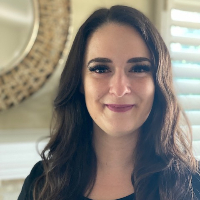





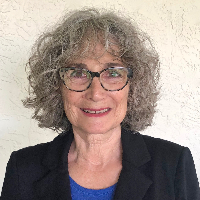
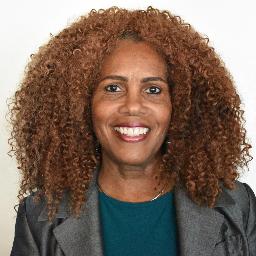



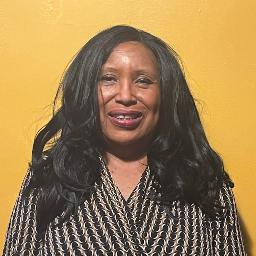



Claudia Smith
LCSW
California - 40 yrs exp





How young adult issues therapy works for California residents
When you begin looking for help with young adult issues in California, you will encounter a range of licensed professionals who use different training and approaches to support people in their twenties and early thirties. Therapy typically begins with an intake conversation - either over the phone or online - during which you and the clinician identify the concerns you want to address, set initial goals, and review logistics such as fees and scheduling. Sessions often take place weekly or every other week and may move to a different cadence as your needs change. You can choose in-person appointments at an office near you or meet with a clinician via video sessions, which many Californians find convenient for balancing work, school, and social life.
Finding specialized help for young adult issues in California
Young adult issues cover a broad set of experiences - career uncertainty, relationship transitions, identity exploration, academic pressures, and the emotional aftermath of major life changes. In California, clinicians often market their specialties so you can find someone who regularly works with this life stage. Look for therapists who list young adult development, emerging adulthood, or transitional life stages among their areas of focus. Licensure titles such as Licensed Clinical Social Worker, Licensed Marriage and Family Therapist, Licensed Professional Clinical Counselor, and psychologist indicate different training paths, and each can offer effective care for young adult concerns. If you live near Los Angeles, San Francisco, San Diego, San Jose, or Sacramento, you will likely find clinicians with niche training in areas like vocational counseling, LGBTQ+ identity issues, or trauma-informed work tailored to younger adults.
Where to begin your search
Start by thinking about the issues you want support with and the type of relationship you want with a therapist. Some people prefer a counselor who is directive and focuses on skill building - for instance, practical coping strategies for anxiety related to job searches - while others want a reflective space to explore identity and meaning. You can filter by specialty, therapy approach, and practical factors like evening availability or proximity to public transit. If you are juggling a demanding schedule in Los Angeles or San Diego, online options can make consistent attendance more feasible. When you contact a therapist, ask about their experience with young adults and what a typical early session looks like.
What to expect from online therapy for young adult issues
Online therapy has become a regular option for Californians seeking flexibility. You can connect with clinicians across the state, which is particularly helpful if you live outside a major city or if your schedule limits travel. In an online session you should expect similar structure to in-person meetings: a focus on your goals, exploration of patterns that affect your mood or behavior, and practical strategies to manage stressors. Many people in their twenties appreciate that remote therapy allows them to maintain continuity of care while relocating for work or school. Prior to starting, confirm the clinician's technology requirements and privacy practices so you know how your sessions will be conducted and recorded, if at all. It is also reasonable to ask about emergency procedures and how the clinician coordinates care if you require additional support.
Common signs that someone in California might benefit from young adult issues therapy
If you find that transitions are overwhelming rather than invigorating, therapy may help. Difficulty making decisions about career or education, recurring conflicts in relationships, persistent feelings of uncertainty about identity, and trouble managing stress that interferes with day-to-day functioning are all common reasons young adults seek help. You might notice a decrease in motivation, trouble sleeping, or repeated cycles of self-doubt that keep you from pursuing opportunities. For students and young professionals in competitive environments like San Francisco or Los Angeles, pressure to perform can heighten anxiety and make it hard to connect with others. Therapy can provide perspective and tools to move forward without implying a medical label.
Tips for choosing the right therapist for this specialty in California
Choosing the right therapist is a personal process and often involves a few steps. First, consider practical constraints such as budget, insurance, and whether you prefer in-person or online sessions. Many clinicians list whether they accept insurance or offer a sliding scale, which can help you plan financially. Next, think about fit. You can read therapist profiles to gauge their approach - whether they emphasize cognitive-behavioral techniques, psychodynamic exploration, or acceptance and commitment strategies - and pick someone whose language resonates with you. If cultural understanding is important, search for clinicians who highlight experience with specific communities, such as immigrant families, LGBTQ+ young adults, or young people of color. When you contact a potential therapist, a brief phone call can help you assess how you feel talking with them and whether they listen to your priorities.
Navigating practical questions
Ask about session length, cancellation policies, and how outcomes are evaluated. You can also inquire about how the clinician supports transitions - for example, if you move from Sacramento to San Jose for work, ask whether they will help you find a local referral or continue sessions across state lines if you plan to stay within California. Clarify how therapy integrates other resources when needed, such as group programs or campus counseling centers if you are a student. It is reasonable to request an initial consultation to see whether the clinician's style and expertise align with what you need.
Making the most of therapy during young adulthood
Once you begin therapy, set realistic expectations. Growth often occurs in fits and starts, and small shifts in behavior or perspective can accumulate into meaningful change. Bring specific situations to sessions when you can - work conversations, relationship dynamics, or moments when anxiety arises - so you and your therapist can practice strategies together. If you are balancing life in a busy urban center like San Francisco or Los Angeles, work on portable skills that you can apply between sessions, such as grounding techniques or communication practices. Over time you will likely refine goals with your clinician and find strategies that fit your lifestyle and values.
Local considerations in California
California offers a wide variety of therapy resources, from urban practices and university clinics to community mental health programs. In coastal cities you may find clinicians with expertise in creative industries or tech-related stress, while inland regions sometimes emphasize community-oriented supports. Public transport and commute times can shape whether you prefer in-person or remote sessions - in cities like San Diego and San Jose, transit access and parking can affect appointment choices. If you have insurance, verify in advance whether a clinician is in-network and whether telehealth visits are covered. If cost is a barrier, look for community clinics and trainee clinics affiliated with graduate programs, which often provide lower-cost options.
Taking the next step
Searching for a therapist is an active choice toward managing transitions and building skills for the years ahead. Use this directory to explore clinician profiles, read about their approaches, and reach out for a brief introductory conversation. Trust your instincts about fit and remember that it is okay to try a few clinicians before finding the right match. Whether you live in a major city like Los Angeles, San Francisco, or San Diego, or in a smaller California community, there are clinicians who understand the challenges of young adulthood and can work with you to navigate this formative stage of life.