Find a Traumatic Brain Injury Therapist in California
This page lists therapists in California who specialize in Traumatic Brain Injury rehabilitation and related cognitive and emotional challenges. Browse the profiles below to compare credentials, areas of expertise, and availability.
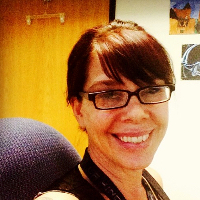

Claudia Smith
LCSW
California - 40 yrs exp
















How traumatic brain injury therapy typically works for California residents
If you are looking for help after a traumatic brain injury - whether recent or years past - therapy usually begins with an evaluation to identify your current strengths and the areas you would like to improve. That assessment can include cognitive screening, a review of medical reports, and conversations about your daily routines, work or school demands, and family needs. Based on that information, a therapist will work with you to set measurable, practical goals that reflect how you want to function in everyday life.
Treatment often blends approaches from different disciplines. A licensed clinician may focus on cognitive rehabilitation techniques designed to improve attention, memory, and problem solving. Other therapists address mood, stress, and behavior changes that can follow an injury. Occupational therapists help with day to day tasks and strategies for independence, while speech-language therapists address communication and swallowing concerns when those are present. In many cases, therapists coordinate with medical providers, rehabilitation physicians, and community supports to align care around your goals.
Finding specialized help for traumatic brain injury in California
Finding the right provider in California means looking for clinicians with specific experience in brain injury rehabilitation. When you review profiles, look for references to neurorehabilitation, cognitive rehabilitation, or traumatic brain injury in the therapist's listed specialties. Credentials matter - licensed psychologists, licensed clinical social workers, occupational therapists with brain injury experience, and speech-language pathologists often play different roles in recovery. You can also look for clinicians who mention collaborations with neurologists, rehabilitation centers, or hospital-based teams.
Geography influences your options. If you live in a larger urban area such as Los Angeles, San Francisco, or San Diego you may find clinics attached to major medical centers and multidisciplinary teams that provide comprehensive outpatient services. In smaller communities, there may be fewer specialized clinics, but many therapists provide telehealth and outreach services to bridge gaps. When location is a concern, review each therapist's profile to see whether they offer in-person appointments, home-based visits, or virtual sessions, and how they coordinate care across settings.
What to expect from online therapy for traumatic brain injury
Online therapy can be an effective option for many aspects of traumatic brain injury care. Through video sessions you can work on cognitive strategies, compensatory techniques for memory and attention, emotional regulation skills, and family or caregiver support. Teletherapy allows you to practice skills in the environment where you live - for example, developing routines for medication management or using assistive technology within your home. Many therapists also use text-based messaging and digital worksheets to reinforce learning between sessions.
There are limits to what can be done remotely. Hands-on interventions such as certain physical or occupational therapy techniques may require in-person visits, and some evaluations need face-to-face testing. Prior to starting online care, ask a prospective therapist how they adapt exercises for telehealth, how they measure progress remotely, and what steps they take if an in-person evaluation becomes necessary. You should also confirm that any clinician you choose is licensed to practice in California for telehealth services, so that professional standards and regulations are met.
Common signs that someone might benefit from traumatic brain injury therapy
You might consider seeking a therapist when changes after an injury affect your everyday functioning. Common signs include difficulty concentrating, frequent forgetfulness, trouble learning new information, slowed thinking, and challenges with organization or planning. Emotional and behavioral changes such as increased irritability, mood swings, anxiety, or reduced motivation can also interfere with work, school, and relationships. Some people notice changes in sleep, headaches that affect daily activities, or trouble managing tasks that used to be routine.
If family members or coworkers report that you seem different since an injury, or if you are struggling to return to previous roles at work or at home, a targeted evaluation can clarify which supports will be most helpful. Therapy is rarely about returning you to a previous state overnight. Instead, it helps you build practical strategies, set realistic goals, and regain confidence in handling daily demands.
Tips for choosing the right traumatic brain injury therapist in California
When selecting a therapist, start by identifying what matters most for your recovery. If memory and attention are primary concerns, look for clinicians who emphasize cognitive rehabilitation and who can describe the specific techniques they use. If emotional changes are prominent, a therapist who blends trauma-informed care, behavioral strategies, and family support may be a better fit. If you require hands-on rehabilitation, find providers who coordinate with occupational or physical therapists in your area.
Ask about experience and typical caseloads. You can request examples of previous work with clients who had similar challenges and ask how progress was measured. Inquire how the therapist communicates with other members of your care team - for instance, how they share updates with physicians or vocational counselors. Practical considerations such as session frequency, expected duration of treatment, fees, insurance acceptance, and availability in evenings or weekends will shape what is feasible for you. Language and cultural competence are also important; many California therapists list languages spoken and experience working with diverse communities on their profiles.
For residents of Los Angeles, San Francisco, or San Diego, availability of specialized programs may be higher, but waitlists can also be longer. If you live outside those cities, telehealth can expand your options and connect you with clinicians who specialize in brain injury rehabilitation even when they are based in another part of the state. When you contact a therapist, a short consultation call can help you understand their approach and whether it aligns with your needs before scheduling a full intake.
Coordinating care and advocating for services
You play a central role in coordinating services after a brain injury. Bringing medical records, lists of current medications, and a clear statement of your goals to the first sessions helps the therapist tailor treatment. If you are working toward returning to work or school, ask about how therapy can support vocational rehabilitation or academic accommodations. Therapists often help you prepare documentation and recommendations that can be shared with employers, schools, or benefits administrators when needed.
California has community resources and support groups in many regions; therapists can often point you toward local brain injury organizations, advocacy groups, and peer support networks. Connecting with others who have navigated similar challenges can offer practical tips and emotional encouragement as you make progress.
Next steps
Begin by browsing the profiles on this page to find clinicians who list traumatic brain injury or neurorehabilitation as a specialty. When you find potential matches, reach out for a brief consultation to ask about experience, treatment goals, and logistics such as in-person versus telehealth options. Therapy is a collaborative process - choosing a provider you feel comfortable working with and who aligns with your priorities will help you make steady, practical progress.
Whether you live near a major medical center in Los Angeles, closer to academic resources in San Francisco, along the coast in San Diego, or in another California community, there are therapists who focus on the unique needs that follow a brain injury. Use the listings below to compare clinicians, read profiles, and schedule an initial conversation to explore the right fit for your recovery journey.