Find a Mindfulness Therapy Therapist in California
Mindfulness Therapy emphasizes present-moment awareness and compassionate observation of thoughts and feelings through guided practices integrated with therapeutic work. Find practitioners across California offering in-person and online sessions and browse listings below to compare styles and availability.




Menachem Stulberger
LMFT
California - 12 yrs exp



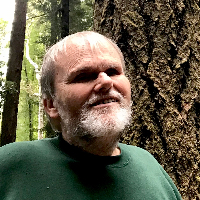



Therese Schmoll
LMFT
California - 30 yrs exp











What Mindfulness Therapy Is and the Principles Behind It
Mindfulness Therapy blends principles from contemplative traditions with modern psychotherapeutic techniques so you can develop a steadier relationship with your inner experience. Rather than trying to eliminate difficult thoughts or feelings, mindfulness-based approaches invite you to notice them without judgment, to observe patterns of reactivity, and to build attention and emotional regulation skills. Practitioners draw on exercises such as focused breathing, body scans, and guided attention practices while also using reflective conversation to explore how mindfulness practices translate into daily life.
Core ideas that shape the approach
The work emphasizes curiosity, nonjudgmental awareness, and intentional presence. You are encouraged to meet your experience with a curious stance instead of struggling against it, which can reduce the intensity of reactive cycles and open space for new choices. Therapists often integrate evidence-informed frameworks for applying mindfulness to stress management, habit change, and emotional resilience while tailoring practices to your personal values and goals.
How Mindfulness Therapy Is Used by Therapists in California
In California, therapists apply mindfulness within many different therapeutic orientations, including cognitive behavioral frameworks, acceptance-based models, and relational approaches. Clinicians in urban centers such as Los Angeles and San Francisco frequently combine shorter, accessible mindfulness practices with talk therapy to address the high-paced lifestyles and complex stressors of city living. In coastal communities like San Diego, therapists often emphasize movement-based mindfulness and nature-focused practices that tie attention skills to outdoor environments. Whether you prefer a more contemplative sitting practice or a practical, skills-focused approach, therapists across the state adapt mindfulness to fit diverse cultural backgrounds, schedules, and life circumstances.
Settings and formats you can expect
Therapists offer mindfulness work in individual sessions, group formats, and workshop settings. Many practitioners incorporate brief formal exercises during a session and then collaborate with you on informal practices designed to fit your daily routine. Some clinicians lead multi-session programs modeled on structured curricula while others use mindfulness as a flexible tool within open-ended therapy. Both in-person sessions in neighborhoods across California and online appointments are common, so you can find a format that matches your logistics and comfort level.
Common Concerns Mindfulness Therapy Is Used For
People seek mindfulness-based therapy for many reasons, often because they want practical tools to relate differently to stress, anxiety, and recurring patterns of thought. It is commonly used to help manage everyday stress, reduce rumination, and improve concentration. You may also encounter mindfulness in work with sleep difficulties, chronic worry, or low mood as a way to build attention and restore balance. Mindfulness can complement treatments focused on trauma, relationship challenges, or life transitions by offering skills for grounding and self-regulation. Clinicians in California frequently adapt these practices for specific populations such as professionals coping with workplace pressure, students navigating academic stress, or parents managing family demands.
What a Typical Mindfulness Therapy Session Looks Like Online
When you meet with a therapist online, a typical session starts with a brief check-in where you describe how you have been feeling and any practice you tried since the last visit. The therapist may guide a short mindfulness practice - often five to twenty minutes - such as mindful breathing, a body awareness exercise, or a focused sensory observation. After that practice, you and the therapist reflect together on what came up, exploring patterns of attention, reactivity, and meaning. The clinician helps you translate insights from the practice into concrete steps you can try between sessions, such as brief attention exercises during routine activities or approaches to interrupt unhelpful thought loops.
Technology makes it possible to access skilled mindfulness clinicians throughout California, whether you are in a busy neighborhood of Los Angeles or a quieter suburb. For online sessions, create a quiet, comfortable environment at home where interruptions are limited, and let your therapist know if there are practical constraints so they can adapt the practice length and technique. Therapists aim to make online practices feel grounded and relational, using clear directions and regular check-ins to make the session feel collaborative and supportive.
Who Is a Good Candidate for Mindfulness Therapy
If you are motivated to develop attention and awareness skills and willing to practice outside of sessions, mindfulness therapy can be a good fit. It is particularly helpful for people who experience persistent stress, repetitive worry, difficulty concentrating, or habitual reactivity. You do not need experience in meditation to begin; clinicians routinely introduce short, manageable practices that fit into busy lives. That said, mindfulness is not always the primary approach for every concern, and a clinician will help you decide whether it should be used alone or alongside other therapeutic methods based on your history and current needs. If you have a history of severe trauma or complex mental health issues, therapists will typically tailor practices carefully and may integrate grounding and stabilization strategies before asking you to engage in sustained contemplative exercises.
How to Find the Right Mindfulness Therapy Therapist in California
Begin by considering practical preferences such as whether you want in-person sessions in a specific city - Los Angeles, San Francisco, or San Diego - or if online appointments are more convenient for your schedule. Look for therapists who list training in mindfulness-based methods such as mindfulness-based cognitive approaches or mindfulness-based stress reduction, and check their professional credentials and licensure status. Reading therapist profiles and statements of clinical orientation helps you assess whether their style feels relational, skills-focused, or contemplative. When you contact a clinician, ask about the structure of sessions, whether they assign home practices, and how they adapt mindfulness work for day-to-day life and cultural context.
Insurance coverage and fees vary, so determine your budget and whether a therapist offers sliding scale rates or accepts plans available where you live. Language and cultural competence are also important - many Californians seek clinicians who understand the cultural and community contexts that shape experience. If you are in a larger metro area you may find a broader range of clinicians with specialized training; in smaller communities a therapist who offers online sessions can broaden your options. Most clinicians offer a brief consultation call; use that opportunity to get a sense of rapport and to ask how they would tailor mindfulness work to your goals.
Practical Tips for Starting Mindfulness Therapy in California
Set realistic expectations for early sessions and aim for steady, short practices rather than pushing for long sittings. Track when and where a particular practice is most helpful - during a commute, before sleep, or in stressful meetings - and bring those observations into sessions so the therapist can refine practices with you. If you move between cities or travel for work, discuss continuity plans with your clinician so your practice can be sustained across locations. Finally, consider community options such as group classes or workshops if you want more practice opportunities and peer support alongside individual therapy.
Mindfulness Therapy is a flexible approach that can be woven into many kinds of therapeutic work, and in California you can find clinicians who balance evidence-informed methods with culturally attuned care. Whether you are seeking tools to manage daily stress, improve focus, or deepen self-awareness, a thoughtful therapist can help you translate mindfulness into practical skills that fit your life. Use the listings on this site to compare qualifications, approaches, and availability, then reach out to schedule an initial conversation and see how the approach feels in practice.