Find an Existential Therapy Therapist in California
Existential Therapy helps people explore meaning, freedom, and the choices that shape their lives. Find practitioners across California who use this approach and browse the listings below to compare experience and specialties.




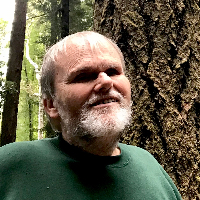



Therese Schmoll
LMFT
California - 30 yrs exp






Tim Crosby
LMFT
California - 10 yrs exp






What Existential Therapy Is and the Principles Behind It
Existential Therapy is an approach that emphasizes human experience, responsibility, and the search for meaning. Rather than focusing primarily on symptom reduction, it invites you to examine how values, relationships, mortality, and freedom influence the way you live. Therapists who work from this perspective encourage deep reflection about life choices, the limits and possibilities you face, and the ways you create purpose. The work is often philosophical in tone - grounded in real-life decisions - and aims to help you live with more clarity and intentionality.
Core themes you may encounter
When you engage in Existential Therapy you will likely explore questions about meaning, authenticity, and the tension between freedom and responsibility. Your therapist may help you examine how anxiety, guilt, or loneliness relate to the demands and opportunities in your life. Rather than offering a checklist of techniques, this therapy supports an ongoing conversation about how you want to exist in the world and what changes might support that aim.
How Existential Therapy Is Used by Therapists in California
In California, practitioners integrate Existential principles across diverse settings - private practice, community clinics, university counseling centers, and group programs. Many therapists combine existential ideas with other orientations such as humanistic, psychodynamic, or narrative approaches to fit the needs of individual clients. Because the state is large and culturally diverse, you will find therapists who bring existential thinking to work with artists, immigrants, people in tech, caregivers, and others coping with life transitions.
In cities like Los Angeles and San Francisco existential perspectives often intersect with creative and intellectual communities where questions of purpose and identity arise naturally. In San Diego and Sacramento some therapists emphasize practical decision-making alongside philosophical exploration, helping you apply insights to everyday responsibilities. Whether you live in an urban center or a smaller community, many California therapists tailor existential work to local concerns such as career changes, cultural expectations, or family dynamics.
Issues Existential Therapy Is Commonly Used For
Existential Therapy can be helpful when you are facing major life transitions, persistent feelings of emptiness, or questions about purpose. People often seek this approach during career crossroads, after relationship changes, when confronting mortality or illness, or when cultural pressures make it hard to act authentically. The therapy is also used for chronic anxiety and depression when those experiences are tied to unresolved questions about meaning or life direction. Rather than promising to remove all distress, existential work helps you relate to difficult feelings with more perspective and agency.
What a Typical Existential Therapy Session Looks Like Online
An online existential session tends to be conversational and reflective. You can expect your therapist to listen closely to your story and invite you to notice patterns in your thinking and behavior. Sessions often begin with what feels most pressing for you - a recent struggle, a recurring worry, or a decision you are facing. From there the therapist may ask open-ended questions that encourage exploration rather than offering quick solutions. You might be encouraged to reflect on values, imagine alternative paths, or consider the long-term implications of different choices.
Because the work is relational, many therapists emphasize the quality of connection even in a remote format. They will aim to create a comfortable environment for honest discussion and to respond to the emotions that surface. Practical elements - scheduling, technical setup, and follow-up - are handled up front so the time together can focus on your reflections. If you prefer, sessions can include creative exercises, written reflections between meetings, or structured prompts to deepen your self-understanding over time.
Who Is a Good Candidate for Existential Therapy
You might find Existential Therapy a good fit if you are willing to explore big questions about your life and accept that answers may evolve over time. The approach suits people who value introspection and want to align daily choices with a sense of purpose. It is also useful if you feel stuck in repetitive patterns and want to examine what those patterns mean about your priorities and freedoms. Because the therapy often involves confronting uncomfortable realities - such as limitations or loss - being open to honest inquiry can help you get more out of the work.
Existential Therapy is not limited to a particular age or background. Students, working professionals, retirees, parents, and artists can all benefit, and therapists in California frequently adapt the approach to account for cultural context. If you are looking for someone to give direct advice or a quick fix, you may prefer a different style of therapy. If you want to deepen your sense of direction and live in accordance with your values, existential work can offer a thoughtful path forward.
How to Find the Right Existential Therapy Therapist in California
Start by considering what matters most to you in a therapist - experience with existential ideas, familiarity with living in California, availability for in-person or online sessions, and how they work with cultural identity. Read therapist profiles to learn about their training and the populations they serve. Look for descriptions that mention values exploration, meaning-making, or existential themes as part of their practice. You can also pay attention to whether a therapist notes experience with life transitions, grief, career concerns, or identity questions - areas where existential approaches are often applied.
If you live in or near Los Angeles, San Francisco, or San Diego you may find clinicians who specialize in working with creative industries, tech professionals, or multicultural communities. In San Jose and Sacramento therapists may combine existential work with practical career coaching or family systems perspectives. Consider reaching out for an initial conversation to get a sense of their style and whether you feel comfortable discussing personal topics. Many therapists offer a brief phone or video consultation to help you decide.
Practical Considerations for California Clients
When choosing a therapist consider questions about scheduling, fees, insurance, and whether you prefer in-person or online work. Urban areas often provide more options for evening or weekend appointments, while suburban and rural regions may require more flexibility. If you want in-person meetings, check for offices located near public transit or parking options. For online sessions, confirm technical requirements and whether the therapist has experience making the remote format feel engaging and personal.
Think about cultural fit as well. California is diverse, and you may want a therapist who understands your cultural background, immigration experiences, or local lifestyle. Mentioning these priorities when you contact a therapist can help you find someone whose approach resonates with your needs. Ultimately the most important factor is whether you feel heard and understood - a strong therapeutic relationship is often the key to meaningful progress.
Getting Started
Begin by browsing the listings to compare specialties, approaches, and availability across California. Read profiles carefully and use introductory calls to assess rapport and practical details. Existential Therapy offers a way to explore the larger contours of your life and to make choices that reflect who you want to be. With the right therapist - whether in Los Angeles, San Francisco, San Diego, or elsewhere in the state - you can begin a thoughtful process of reflection and change tailored to your circumstances.