Find a Stress & Anxiety Therapist in California
This page helps you find Stress & Anxiety therapists in California, with profiles that highlight specialties, approach, and practical details.
Browse the listings below to compare options and connect with a therapist who matches your goals and preferences.




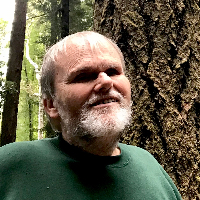
Menachem Stulberger
LMFT
California - 12 yrs exp














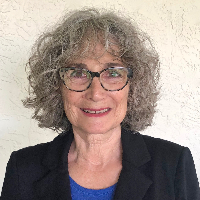
Therese Schmoll
LMFT
California - 30 yrs exp




Stress and anxiety support in California: what therapy can help you work on
Stress and anxiety can show up differently depending on your life circumstances, your work demands, and even where you live. In California, you might be balancing long commutes, high cost of living, competitive industries, academic pressure, caregiving responsibilities, or major life transitions. Therapy for stress and anxiety gives you a structured place to slow things down, understand what is driving your reactions, and practice skills that can help you respond differently.
Rather than trying to “power through,” you and your therapist typically focus on patterns: what triggers your stress, how your body reacts, what thoughts keep the cycle going, and what behaviors provide short-term relief but create long-term strain. Your therapist can help you set realistic goals, track progress, and build coping strategies you can use in everyday California life, whether you are in Los Angeles, San Francisco, San Diego, or somewhere quieter.
How stress and anxiety therapy works for California residents
Most therapy for stress and anxiety is collaborative and skill-based. You bring your lived experience. Your therapist brings training, a neutral perspective, and tools that can help you make sense of what you are experiencing. Sessions often include a mix of talking through current stressors and practicing strategies you can apply between appointments.
Depending on the therapist’s approach and your needs, therapy may include:
Identifying triggers and early warning signs so you can intervene sooner.
Learning techniques to calm your nervous system, especially when worry feels physical (tight chest, racing heart, stomach tension, restlessness).
Working with anxious thoughts by testing assumptions, building more balanced self-talk, and reducing “what if” spirals.
Building boundaries around work, family, and digital overload, which can be especially relevant in fast-paced California metro areas.
Improving sleep routines, time management, and recovery habits to reduce baseline stress.
Strengthening communication skills for conflict, people-pleasing, or fear of disappointing others.
Therapy is not about forcing you to feel calm all the time. It is about helping you expand your capacity to handle stress, reduce avoidance, and respond with more flexibility when anxiety shows up.
Common therapy approaches you might see in California
Therapists may describe their work using different modalities. You do not need to be an expert in these terms, but it can help to know what they generally mean:
Cognitive-behavioral strategies (CBT-informed): Often focuses on the relationship between thoughts, feelings, and behaviors, and on practicing new responses to anxiety triggers.
Mindfulness-based approaches: Emphasize awareness of the present moment, reducing reactivity, and changing your relationship to anxious thoughts.
Acceptance and values-based work: Helps you take meaningful action even when anxiety is present, so your life does not shrink around fear.
Somatic or body-based techniques: Focus on how stress lives in the body and on building regulation skills through breath, grounding, and noticing physical cues.
Solution-focused work: Centers on practical goals and near-term changes, which can be useful when you feel overwhelmed and need a clear plan.
Finding specialized help for stress and anxiety in California
California is large and diverse, and so are the stressors people face. When you browse therapist profiles, look for signs that the clinician regularly works with stress and anxiety concerns similar to yours. “Stress and anxiety” can include performance pressure, panic-like symptoms, social anxiety, health-related worry, workplace burnout, perfectionism, relationship anxiety, and major transitions like relocation, parenting, or career changes.
As you search, consider what “specialized” means for you:
Work and career stress: If you are in a high-demand field in Los Angeles or the Bay Area, you may want someone who understands burnout, imposter feelings, and boundary setting.
Academic pressure: If school or training is a major driver, look for experience with student stress, test anxiety, and perfectionism.
Family and caregiving stress: You may benefit from a therapist who addresses emotional labor, guilt, and role overload.
Cultural and identity-related stress: If you are navigating discrimination, acculturation stress, or identity-related worry, you might prioritize cultural humility and lived experience alignment.
Location can still matter even when you meet online. A therapist familiar with California’s pace, regional cost pressures, and common work patterns may better understand the context around your stress and help you build realistic routines.
What to expect from online therapy for stress and anxiety
Online therapy can be a practical option if your schedule is packed, your commute is long, or you want to access a wider range of clinicians across California. Many people find it easier to start therapy from home, especially when anxiety makes new situations feel intimidating.
Here is what you can typically expect:
Getting started: You will usually complete intake forms and discuss what brings you in, your goals, and any preferences for session structure.
Early sessions: Your therapist may help you map your anxiety cycle, identify triggers, and agree on initial skills to practice.
Ongoing work: Sessions often include reviewing what worked, what did not, and adjusting strategies. You might practice grounding skills, plan exposure steps for avoided situations, or refine boundaries and routines.
Between-session practice: Stress and anxiety therapy often involves small experiments in daily life, like changing how you respond to worry, practicing relaxation, or trying new communication patterns.
To get the most from online sessions, set yourself up with a private space, stable internet, and a plan for confidentiality. If you live with others in a small space, consider using headphones, running a fan for sound privacy, or sitting in a parked car if that feels safe and comfortable.
Online therapy can fit different California lifestyles
If you are in San Diego and juggling family schedules, online sessions can reduce travel time. If you are in San Francisco with a demanding work calendar, it can be easier to keep appointments consistent. If you are in Los Angeles and commuting across neighborhoods, online therapy can remove a major barrier to care. The best format is the one you can sustain.
Signs you might benefit from stress and anxiety therapy
You do not need to be in crisis to seek support. Many people start therapy when stress begins to spill into sleep, relationships, or work performance. Consider reaching out if you notice patterns like these:
You feel keyed up, on edge, or easily startled, even when nothing “big” is happening.
Worry is hard to turn off and tends to jump from one topic to another.
You avoid situations because of fear of making mistakes, being judged, or feeling trapped.
Your body carries stress - headaches, jaw tension, stomach discomfort, shallow breathing, or restlessness.
You are more irritable, impatient, or emotionally reactive than you want to be.
Sleep feels disrupted, and you wake up already tired or mentally racing.
You rely on overworking, scrolling, snacking, or other habits to numb stress, but the relief does not last.
You feel stuck in perfectionism, overthinking, or constant self-criticism.
Your relationships are strained by reassurance-seeking, withdrawal, or difficulty expressing needs.
Therapy can help you translate these signals into actionable steps, so you are not left guessing what to do next.
Tips for choosing the right stress and anxiety therapist in California
Choosing a therapist is both practical and personal. When you browse listings, focus on fit: their experience, approach, and whether you feel you could be honest with them. You can also treat the first contact as a chance to interview the therapist about how they work.
1) Look for relevant experience, not just broad labels
Many therapists list “anxiety” as a specialty. Look for details that match your concerns, such as panic symptoms, workplace burnout, social anxiety, perfectionism, or stress related to life transitions. If you are dealing with chronic stress from a high-pressure environment, ask how they support clients with burnout prevention and recovery.
2) Ask how sessions are structured
Some therapists are more skills-focused and structured, while others are more exploratory. Neither is automatically better. If you want tools you can use right away, ask whether they provide exercises, worksheets, or between-session practices. If you want to understand deeper patterns that fuel anxiety, ask how they approach insight-building and long-term change.
3) Consider logistics that affect consistency
Progress often comes from steady attendance. Consider session times, cancellation policies, and whether online appointments are available. In a state as busy as California, consistency can be the difference between feeling like therapy helps and feeling like it is another task you cannot keep up with.
4) Pay attention to the relationship fit
In stress and anxiety work, feeling safe matters. You should be able to share worries you have never said out loud without feeling judged. After an initial session, reflect on whether you felt understood, whether the therapist asked thoughtful questions, and whether you left with a clearer sense of next steps.
5) Use a short list of questions when you reach out
If you are contacting therapists in California, keep your message simple and focused. You can ask:
What is your experience working with stress and anxiety concerns like mine?
What approaches do you typically use, and what might early sessions look like?
Do you offer online sessions for California residents, and what is your availability?
How do you measure progress or know when therapy is working?
Getting started: a practical next step
If stress or anxiety has been taking up too much space in your life, the next step can be small. Browse the California listings on this page, shortlist a few therapists whose specialties and style match what you are looking for, and reach out to ask about fit and scheduling. Whether you live in a major city like Los Angeles, San Francisco, or San Diego, or elsewhere in the state, you deserve support that helps you feel more steady, capable, and in control of your time and energy.