Find a Self-Love Therapist in California
This page lists therapists in California who focus on self-love, self-compassion, and building healthier self-relationship patterns. Browse the listings below to compare specialties, credentials, and availability across the state.











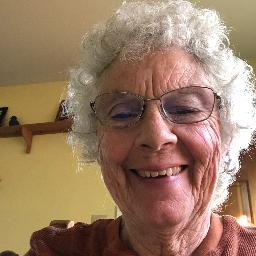
Therese Schmoll
LMFT
California - 30 yrs exp








How self-love therapy can help you in California
If you are feeling stuck in patterns of harsh self-judgment, chronic people-pleasing, or persistent low self-worth, self-love therapy offers a space to explore those patterns and develop kinder, more resilient ways of relating to yourself. In California, therapists blend evidence-informed techniques with culturally attuned care to address the particular pressures of modern life - whether you live in a dense urban neighborhood, commute into Los Angeles, or are navigating identity and belonging in San Francisco or San Diego. The work is often about learning to treat yourself with the same compassion you give others, and practicing tangible skills that translate into everyday choices.
What the process typically involves
Sessions usually begin with an assessment of where you are now and what you hope to change. From there, you and your therapist may set short-term goals and agree on an approach that fits your needs. Some clinicians integrate cognitive-behavioral techniques to address negative self-talk, while others use compassion-focused therapy, mindfulness practices, somatic work, or narrative approaches to reshape how you see yourself. Therapy can include in-session exercises, between-session practices like journaling or compassion meditations, and real-world experiments designed to shift habitual responses over time.
Finding specialized self-love help in California
California’s large and diverse population means you can often find therapists with specific experience - for example, working with cultural identity, body image, LGBTQ+ concerns, or trauma-informed approaches. When searching, look for clinicians licensed in California such as Licensed Clinical Social Workers, Licensed Marriage and Family Therapists, Licensed Professional Clinical Counselors, and licensed psychologists. Each license reflects different training backgrounds, so consider asking about training and experience related to self-esteem, self-compassion, and relational patterns.
You may also want to consider practical factors like language, cultural competency, and whether the therapist has experience with communities similar to your own. In metropolitan areas like Los Angeles and San Francisco you can often find clinicians who specialize in a wide range of identities and cultural contexts. In smaller towns or suburbs you may rely more on telehealth options to access a clinician with the right specialty.
What to expect from online self-love therapy
Online therapy has made specialized care more accessible across California, especially if you live far from urban centers. When you engage in online sessions, you can expect a format similar to in-person work - assessment, goal-setting, skill-building, and regular check-ins. Many therapists use video sessions for deeper connection, while some incorporate messaging or phone sessions for brief check-ins between meetings. Online therapy can fit more easily into busy schedules, reduce travel time, and give you access to specialists who are not local.
To get the most out of online sessions, choose a quiet, comfortable setting where you can speak freely and practice exercises without interruption. Confirm the therapist's technology requirements and cancellation policies before your first session. It’s also reasonable to ask how they measure progress and what they recommend for between-session practice. If you appreciate in-person interaction, look for clinicians in larger cities such as Los Angeles or San Diego where in-person options are more plentiful, and consider online work as a flexible complement.
Common signs you might benefit from self-love therapy
You might consider therapy if you notice persistent negative self-talk that interferes with daily life, or if you consistently downplay your achievements and find it hard to accept compliments. Chronic people-pleasing, fear of setting boundaries, or overapologizing are often related to low self-regard and can be improved with targeted work. If you find yourself avoiding opportunities because of perfectionism, or if social comparison and online validation frequently shape your mood, these are also common areas where self-love therapy can help.
Additionally, if you experience difficulty recovering from setbacks, feeling unworthy in relationships, or carrying internalized messages from upbringing or culture that undermine your sense of self, a therapist can help you unpack those messages and develop new internal narratives. You do not need to be in crisis to benefit from self-love work - many people pursue this specialty to grow, enhance relationships, and increase life satisfaction.
Tips for choosing the right self-love therapist in California
Begin by clarifying what you want to change and what kind of approach feels most helpful to you. Some people want direct skills training to reduce critical self-talk, while others prefer a gentler, insight-oriented process focused on cultivating compassion. Look for therapists who describe experience with self-esteem, self-compassion, or related modalities, and pay attention to whether they mention cultural competency or work with diverse identities.
Practical considerations matter as well. Check whether a clinician accepts your insurance or offers a sliding scale if cost is a concern. Ask about session length and frequency, typical treatment timeframe, and how they handle emergencies or urgent concerns. If you prefer meeting in person, search in areas with higher clinician density such as Los Angeles, San Francisco, or San Diego. If you need flexibility, prioritize those who offer online appointments that align with your schedule.
It is appropriate to request a brief consultation before committing to regular sessions. Use that conversation to ask about their therapeutic style, examples of work they have done with other clients on similar goals, and how they measure progress. Trust your instincts about rapport - feeling understood and respected in early contacts is a useful indicator of fit.
Preparing for your first session and next steps
Before your first appointment, take some time to reflect on what you want to change and what success might look like. Jot down specific examples of moments when your self-criticism shows up and any patterns that you would like to shift. You might also consider practical logistics such as budgeting for sessions, reviewing cancellation policies, and confirming how to communicate between sessions if that will be part of the plan.
Throughout California, from busy neighborhoods in Los Angeles to the tech-focused environment of the Bay Area, there are clinicians who specialize in fostering self-compassion and healthy self-regard. If you are ready to begin, use the listings above to narrow choices by approach, credentials, and availability, and reach out for a consultation. Taking that first step can help you find a compassionate professional partner who supports you in building a kinder relationship with yourself.