Find a Seasonal Affective Disorder (SAD) Therapist in California
This page features therapists who focus on Seasonal Affective Disorder (SAD) across California, with details on approaches, credentials, and availability. Use the listings below to compare clinicians and learn about different therapy options for seasonal mood challenges. Browse profiles to find a clinician who fits your needs and schedule.




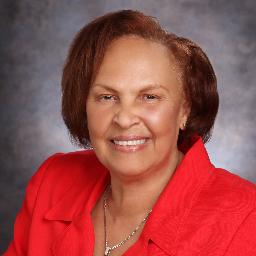
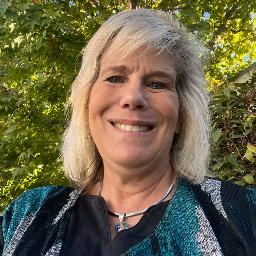
Therese Schmoll
LMFT
California - 30 yrs exp


















How Seasonal Affective Disorder (SAD) Therapy Works for California Residents
If you notice mood shifts tied to changing seasons, therapy can help you understand patterns, develop coping strategies, and build habits that ease recurring symptoms. In California, therapists combine evidence-informed talk therapies with behavioral approaches to target the ways seasonal changes affect sleep, energy, motivation, and social engagement. A typical initial phase focuses on assessment - understanding the timing, severity, and triggers of your symptoms - and then moves into practical interventions that fit your daily life and local environment.
Therapy for SAD often emphasizes routines that counter seasonal disruption. You and your therapist might address sleep schedule adjustments, activity planning to increase exposure to daylight, and behavioral activation to reduce withdrawal. Cognitive strategies are commonly included to help reframe negative thinking that can worsen during low-light months. Therapists in California also consider regional differences - a coastal community like San Diego will present different light exposure and lifestyle factors than inland or northern areas - and tailor recommendations accordingly.
Finding Specialized Help for SAD in California
When you search for a clinician, look for someone who lists seasonal mood concerns as a focus area and who describes relevant techniques such as cognitive behavioral therapy, behavioral activation, or chronotherapy-informed behavioral changes. Many California practitioners also note experience working with sleep issues and stress management, since these are often intertwined with seasonal mood shifts. You can refine choices by considering whether you prefer in-person sessions in your city or telehealth appointments that offer flexibility across regions like Los Angeles, San Francisco, or San Diego.
Licensing matters when you choose a therapist. To provide ongoing care to California residents, clinicians must hold appropriate state licensure. That license ensures they have met training and supervision standards. When you review profiles, check credentials and areas of specialization, and read descriptions of therapeutic approach to get a sense of whether a therapist’s experience aligns with your needs. Many therapists also provide a brief overview of how they work with seasonal mood changes and what clients typically find helpful.
What to Expect from Online Therapy for SAD
Accessibility and convenience
Online therapy makes it easier to connect with clinicians who specialize in SAD regardless of where you live in California. If your routine changes with the seasons, telehealth can help you keep continuity of care during busy periods or when travel affects your schedule. You can schedule appointments around work or family commitments, which is especially helpful during darker months when energy may be lower. Many therapists offer a mix of video sessions and messaging to help you stay engaged between visits.
Therapeutic focus and tools
Virtual sessions typically follow the same therapeutic process as in-person care, with assessment, goal setting, and implementation of strategies. Your therapist can guide you through sleep hygiene practices, activity planning, and cognitive tools while helping you monitor progress. They may also suggest ways to increase daylight exposure through timed outdoor activity or adjusted daily routines, and help you structure days to prevent social withdrawal. If you live in an urban center like Los Angeles or San Francisco, your therapist may tailor recommendations to incorporate nearby outdoor spaces or community resources.
Practical considerations
Before starting online therapy, confirm the therapist’s availability and whether their approach meshes with your preferences for session style and frequency. Make sure you have a comfortable, private area in your home or another quiet setting where you can speak freely and focus on the session. Discuss how the therapist handles scheduling, cancellations, and emergency concerns so you know what to expect outside regular hours. Clear communication about logistics will help you get the most from virtual care.
Common Signs You Might Benefit from SAD Therapy
If you notice a recurring pattern of low mood, decreased interest in activities, changes in sleep or appetite, or difficulty concentrating that consistently aligns with a particular season, it may be helpful to speak with a clinician. You might find yourself withdrawing from friends and activities during darker months, experiencing fatigue despite adequate rest, or using alcohol or comfort foods to cope with mood dips. Seasonal patterns that interfere with work, relationships, or daily functioning are signals that a therapeutic conversation could be valuable.
People often seek help when symptoms begin to limit their goals or make daily life feel heavier. Some residents find that even mild seasonal shifts cumulatively reduce quality of life over several years. In those cases, early intervention can make seasonal transitions less disruptive. Whether you live near the coast, in a mountain community, or in a dense metropolitan area like San Diego or San Jose, a therapist can help you recognize patterns and adopt strategies that fit your local routines and environment.
Tips for Choosing the Right Therapist for SAD in California
Choosing a therapist is a personal decision. Start by reading profiles for clinicians who explicitly mention seasonal mood issues or related areas such as sleep disturbances, mood regulation, or behavioral activation. Pay attention to descriptions of therapeutic methods and to any statements about experience with seasonal patterns. Many therapists describe the populations they work with and their typical session structure, which helps you assess fit before reaching out.
Consider location and modality. If you prefer in-person sessions, identify clinicians who practice near you in neighborhoods of Los Angeles or San Francisco or in the suburbs of Sacramento. If flexibility is important, choose a therapist who offers telehealth and who describes how they adapt strategies to different living situations. Also think about practical concerns such as availability, fee range, and whether your insurance or payment method is accepted.
Initial consultations are useful for evaluating rapport. A brief introductory call or first session gives you a sense of the therapist’s style and whether their approach feels collaborative and supportive. During that conversation, you can ask about their experience treating seasonal patterns, typical treatment goals, and how they measure progress. Trust your instincts about whether you feel heard and understood. A good fit will help you stay motivated through seasonal cycles.
Next Steps and Making a First Appointment
When you find a few profiles that feel promising, reach out to schedule an initial appointment or consultation. Prepare a short summary of your seasonal experiences - when symptoms started, how they change across months, and what you have tried so far. Sharing this context helps the therapist design a plan tailored to your needs. If needed, you can ask about coordination with other care providers or recommendations for complementary resources such as light exposure strategies or sleep-focused interventions.
Finding the right therapist for Seasonal Affective Disorder in California can make seasonal transitions more manageable and restore a sense of balance during challenging months. Whether you prefer a clinician in your city or an online provider, taking the step to explore profiles and schedule a first visit is a practical move toward clearer, steadier days ahead.