Find a Post-Traumatic Stress Therapist in California
This page helps you find Post-Traumatic Stress therapists in California and compare options based on focus areas, approach, and availability.
Browse the listings below to explore profiles and reach out to a therapist who fits your needs.

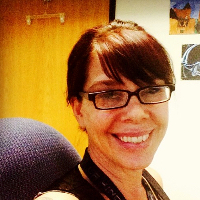









Therese Schmoll
LMFT
California - 30 yrs exp











Post-Traumatic Stress therapy in California: how it can help
If you are living in California and dealing with the effects of trauma, therapy can give you a structured, supportive place to make sense of what happened and reduce the ways it still impacts your daily life. Post-Traumatic Stress therapy is not about forcing you to relive the worst moments. Instead, it typically focuses on helping you feel safer in your body, understand triggers, and build skills to manage distress so you can move through work, relationships, and routines with more steadiness.
Many people seek support after a single event, while others come in after repeated or long-term experiences. Your therapist should help you set the pace. In California, you can choose from in-person services in major metro areas and online care statewide, which can be especially useful if you live outside city centers or have a schedule that makes commuting hard.
What “specialized” Post-Traumatic Stress care often includes
Specialized trauma care generally blends education, coping skills, and careful processing of memories or meanings when you are ready. You may work on:
- Understanding how trauma affects the nervous system, sleep, attention, and mood
- Identifying triggers and early warning signs of overwhelm
- Learning grounding and emotion regulation strategies for flashbacks, panic, or shutdown
- Strengthening boundaries, communication, and a sense of safety in relationships
- Addressing avoidance patterns that keep life feeling smaller than you want it to be
Therapists may describe their approach using terms like trauma-focused cognitive strategies, skills-based stabilization, somatic or body-based methods, or other evidence-informed trauma treatments. What matters most is that the approach matches your goals, your preferences, and your readiness.
Finding Post-Traumatic Stress therapists in California
California is large and diverse, and access can look different depending on where you live. In Los Angeles, San Diego, and the Bay Area, you may find many clinicians with trauma training, but waitlists can still happen. In smaller cities or rural areas, online therapy can expand your options while keeping care consistent.
When you browse therapist profiles, look for signs that a clinician regularly works with trauma-related concerns, not just occasionally. Helpful indicators include:
- Clear mention of Post-Traumatic Stress, trauma recovery, or related concerns as a primary focus
- Descriptions of trauma-informed training and ongoing education
- Experience supporting clients with specific trauma contexts (for example, accidents, medical trauma, workplace incidents, violence, or childhood experiences)
- A thoughtful explanation of how they pace trauma work and prioritize stabilization
Location and licensing considerations
If you want online sessions, confirm the therapist is licensed to provide services to clients located in California at the time of the appointment. This matters even if the therapist is physically located elsewhere. If you travel frequently for work between cities like San Francisco and San Diego, ask how your therapist handles sessions when you are temporarily out of state.
What to expect from online therapy for Post-Traumatic Stress
Online therapy can be a practical option in California, where commutes and schedules can be demanding. You meet through secure video (and sometimes phone, depending on the provider and your needs). Many trauma therapists adapt their methods effectively to telehealth, especially when the work includes skills, education, and present-focused strategies.
Your first few sessions
Early sessions typically focus on understanding what brings you in, what you are experiencing now, and what you want to change. A trauma-informed therapist will usually ask about:
- Your current symptoms and triggers
- Sleep, concentration, and stress levels
- Safety and support systems
- Past therapy experiences and what did or did not help
- Your preferences around discussing details of traumatic events
You should also expect collaborative goal-setting. Goals might include fewer nightmares, less hypervigilance, improved ability to drive or go to crowded places, fewer panic responses, or feeling more present with loved ones.
How sessions are kept safe and manageable online
Because trauma symptoms can intensify when difficult memories are activated, online therapy often includes extra attention to pacing and coping tools. Your therapist may help you create a plan for:
- Where you will sit during sessions (privacy, comfort, and a sense of safety)
- What you will do right after sessions (a short walk, hydration, grounding exercises)
- How to handle interruptions or unexpected triggers
- What to do if you feel overwhelmed between sessions
If you live with others in a small space, you can still make online therapy work by using headphones, choosing a parked car or a quiet room, or scheduling sessions when privacy is more likely. A good therapist will problem-solve with you rather than assume one setup fits everyone.
Signs you might benefit from Post-Traumatic Stress therapy
People seek trauma therapy for many reasons, and your experience does not have to match a specific checklist to deserve support. If you are in California and notice persistent changes after a distressing event or period of life, therapy may help you regain a sense of control and connection.
Common experiences that bring people to therapy
- Intrusive memories, flashbacks, or feeling like the event is happening again
- Nightmares or disrupted sleep that leaves you exhausted
- Avoiding places, people, news, or activities that remind you of what happened
- Feeling on edge, easily startled, or constantly scanning for danger
- Irritability, sudden anger, or emotional numbness
- Difficulty concentrating at work or school
- Physical stress responses like tension, stomach upset, or racing heart during triggers
- Feeling detached from others, or struggling with trust and closeness
In a state as busy as California, it can be easy to chalk these reactions up to “stress” and keep pushing through. If your coping strategies are starting to feel like they are shrinking your life, it is reasonable to explore specialized support.
Choosing the right Post-Traumatic Stress therapist in California
Fit matters in trauma therapy. You want someone who is competent and also someone you can work with consistently. When comparing therapists across California, use a few practical criteria to narrow your options.
Look for trauma-informed pacing and collaboration
Effective trauma therapy is often a balance of skill-building and careful processing. A clinician should be able to explain how they avoid moving too fast, how they handle dissociation or overwhelm, and how you will decide together when to go deeper. You should feel like you have choices, including the choice to slow down.
Ask about approach, structure, and goals
It is reasonable to ask prospective therapists questions before you commit, such as:
- How do you typically work with Post-Traumatic Stress symptoms like hypervigilance or nightmares?
- Do you use a structured plan, or is therapy more open-ended?
- How do you measure progress in trauma recovery?
- What do you do when a client feels flooded or shut down during session?
You are not looking for a perfect answer. You are listening for clarity, respect, and an approach that feels grounded.
Consider practical fit: schedule, cost, and location
California residents often juggle long workdays and traffic, especially in Los Angeles and San Diego. If in-person care would require a stressful commute, online sessions might help you stay consistent. If you prefer in-person connection, consider whether you can realistically attend weekly or biweekly sessions.
Also check logistics like session length, cancellation policy, and whether the therapist provides documentation you may need for work accommodations (when appropriate). If you are paying out of pocket, ask for fee details upfront so you can plan sustainably.
Think about cultural and community context
California communities vary widely in culture, language, and identity. If it matters to you, look for a therapist who understands your background or who clearly communicates cultural humility and experience working with diverse clients. You might also prioritize someone familiar with stressors common in your region, such as high-cost living pressures in San Francisco, industry-related stress in Los Angeles, or military and veteran community needs near San Diego.
Making the most of your therapy experience
Once you choose a therapist, you can increase the value of therapy by staying engaged with the process between sessions. You do not need to do “homework” perfectly, but small steps add up.
Helpful habits that support trauma recovery
- Track triggers and body sensations to notice patterns without judging yourself
- Practice one or two grounding skills regularly, not only during crisis moments
- Create a post-session routine that helps your nervous system settle
- Communicate openly about what feels helpful, too intense, or too slow
- Celebrate functional wins, like driving a familiar route again or sleeping through the night
Progress is often uneven. You might feel better for a while, then hit a difficult week after a reminder or life change. A skilled Post-Traumatic Stress therapist will help you interpret those shifts and adjust your plan rather than treating them as failure.
Explore Post-Traumatic Stress therapists in California
Whether you are looking in a major city like Los Angeles or San Francisco, or you prefer the flexibility of online care anywhere in California, you can use this page to compare therapists who focus on Post-Traumatic Stress. Read profiles closely, note specialties and approaches, and reach out to a few clinicians to find the right match for your needs and schedule.