Find a Personality Disorders Therapist in California
This page connects you with therapists across California who focus on personality disorders, listing specialties, credentials, and treatment approaches. Browse the listings below to compare clinicians, locations, and booking options throughout the state.


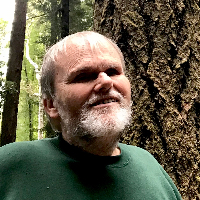



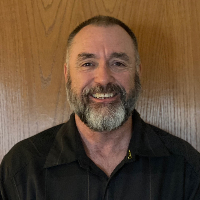
Therese Schmoll
LMFT
California - 30 yrs exp




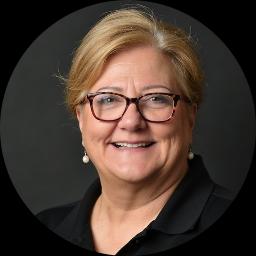
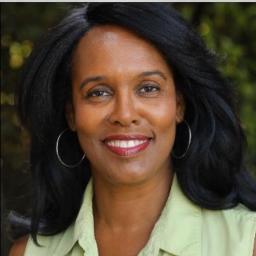
Claudia Smith
LCSW
California - 40 yrs exp







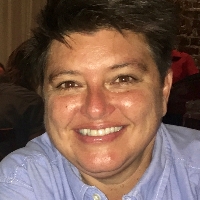
Hyun Lee
LMFT
California - 11 yrs exp


How personality disorders therapy typically works for California residents
If you are seeking help for long-standing patterns of thinking, feeling, or relating to others, therapy often begins with an assessment to clarify what you are experiencing and what you want to change. A licensed clinician will usually gather background on your history, current difficulties, and treatment goals before proposing a plan that may include individual sessions, skills training, group therapy, or family work. Many therapists combine evidence-based approaches such as cognitive behavioral strategies, dialectical behavior skills, mentalization-based interventions, and psychodynamic exploration to address patterns that have been present for years.
In California you will encounter clinicians with different credentials - including clinical psychologists, licensed clinical social workers, licensed marriage and family therapists, and licensed professional clinical counselors - each bringing varied training and orientations. The pace of therapy can vary; some people benefit from weekly sessions over months, while others engage in more intensive formats for a season. Your clinician should review progress with you regularly and adapt the plan to fit your needs.
Finding specialized help for personality disorders in California
When you search for a specialist, focus on clinicians who list personality disorders, emotion regulation, or relational patterns among their areas of expertise. In larger urban areas such as Los Angeles, San Francisco, and San Diego you will often find therapists with concentrated training in treatments like dialectical behavior therapy and mentalization-based therapy. If you live outside major metro areas, teletherapy expands access and can connect you with specialists who practice across county lines.
Pay attention to language skills, cultural competence, and experience with populations similar to yours. California is diverse, and finding a therapist who understands your background - including regional norms, family structures, and community stressors - can make a significant difference in how well therapy fits. You can also look for clinicians who emphasize trauma-informed care, attachment-focused work, or long-term supportive therapy if those approaches resonate with your experience.
What to expect from online therapy for personality disorders
Many therapists in California offer remote sessions by video or phone, and online therapy can make it easier for you to maintain consistent appointments while juggling work, school, or family responsibilities. Teletherapy sessions generally follow the same structure as in-person visits - check-ins, exploration of recent events, skill practice, and planning - but you and your clinician will also discuss how to handle moments of crisis or strong emotions between sessions.
You should expect your therapist to establish clear boundaries, session lengths, and contact preferences for non-urgent communication. If you live in a different county or a more rural part of the state, teletherapy can be an effective way to work with someone who has specialized training in personality disorders. Keep in mind that some clinicians combine online and occasional in-person visits, and you can ask about options that blend modalities to suit your needs.
Common signs that you might benefit from personality disorders therapy
If you notice recurring patterns that interfere with work, relationships, or your sense of wellbeing, therapy may help you understand and change those patterns. You might find that intense emotional reactions, difficulty trusting others, persistent conflicts with friends or family, or repeated instability in relationships are recurring themes. Some people describe feeling stuck in cycles of idealizing and devaluing others, acting impulsively in ways that later create regret, or having a chronic sense of emptiness that is hard to soothe.
Other signs include frequent misunderstandings in relationships, trouble sustaining employment or schooling due to interpersonal conflicts, or repeated crises that leave you feeling exhausted. If you struggle with patterns that you have tried to change on your own without lasting results, a therapist who focuses on personality-related difficulties can offer structured strategies and ongoing support to help you build more consistent ways of relating to yourself and others.
Tips for choosing the right therapist for this specialty in California
Start by clarifying what matters most to you in treatment - are you looking for skills to manage intense emotions, help with relationship stability, insight into long-standing patterns, or a combination of these? Once you know your priorities, search for clinicians who explicitly mention personality-related treatment, training in relevant modalities, and experience with long-term work. Inquire about a therapist's typical caseload, their approach to crisis planning, and whether they offer group options or skills training that could complement individual work.
Consider practical factors such as location and hours. If you prefer in-person sessions, look for clinicians in accessible neighborhoods in cities like Los Angeles, San Francisco, or San Diego. If scheduling is tight, ask about evening or weekend slots and whether the therapist offers teletherapy for more flexible access. Fees and insurance are also important - ask whether the clinician accepts your insurance, offers sliding-scale rates, or provides a limited number of reduced-fee appointments if cost is a concern.
During an initial consultation you can ask about the therapist's experience with goals similar to yours, how they measure progress, and what a typical course of therapy looks like. Pay attention to how they explain their approach and whether you feel heard when you describe your concerns. The therapeutic relationship itself - feeling understood, respected, and seen - is often as important as specific techniques, so trust your instincts about fit while also considering credentials and experience.
Navigating appointments, insurance, and community resources in California
Your appointment options will vary across regions, with urban centers offering a wider range of specialists and smaller communities often relying on general mental health providers. If you rely on insurance, verify coverage for the therapist's license type and whether prior authorizations are needed. Community clinics and university training clinics can be an option if you are seeking lower-cost care and are open to working with advanced trainees under supervision.
Local support groups, peer-led programs, and skills-based workshops can supplement individual therapy. In cities like Los Angeles and San Francisco you may find specialty groups focused on emotion regulation or relationship skills, while in other parts of the state clinicians might run weekend intensives or telehealth groups that bring people together across regions. Combining individual therapy with skills practice and community supports can help you apply what you learn in sessions to daily life.
Taking the next step
If you are ready to explore therapy for personality-related concerns, start by reviewing profiles to find clinicians whose training and approach match your needs. Schedule initial consultations to ask about experience, treatment methods, and practical details like scheduling and fees. Therapy can be a gradual process of learning new ways of relating and managing emotions, and selecting a therapist who understands your context in California - whether you live in a busy metropolitan area or a less populated region - will help you make the best use of that work.
Use the listings above to compare clinicians by location, specialties, and availability, and reach out to begin a conversation about the kind of support that would feel most helpful for you. With careful selection and clear goals, you can find a clinician who will partner with you in building more stable patterns and more satisfying relationships over time.