Find a Mood Disorders Therapist in California
This page highlights therapists who specialize in mood disorders throughout California, including providers who focus on depression, bipolar disorder, and mood regulation. Browse the listings below to compare approaches, areas of experience, and find clinicians in your area.










Therese Schmoll
LMFT
California - 30 yrs exp


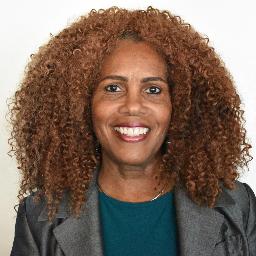







Claudia Smith
LCSW
California - 40 yrs exp




How mood disorders therapy typically works for California residents
If you are exploring therapy for mood concerns in California, the process usually begins with an initial assessment. During that first session you and the clinician will talk about your current mood patterns, recent stressors, past treatment experiences, and goals for care. From there a treatment plan is developed that may include regular psychotherapy sessions, coordination with medical providers when medication is considered, and practical strategies you can use between sessions. Sessions often last 45 to 60 minutes and occur weekly or biweekly to build momentum and monitor progress. Therapists in California work within state licensing regulations, and many tailor their approach based on your age, cultural background, and life circumstances.
Finding specialized help for mood disorders in California
When you look for a therapist who specializes in mood disorders, you will find professionals with a range of training and approaches. Some clinicians focus on evidence-informed therapies such as cognitive behavioral approaches, interpersonal therapy, or mood-focused psychotherapies. Others bring additional expertise in trauma, substance use, or perinatal mental health, which can intersect with mood symptoms. In California you can search for clinicians by specialty, language, and treatment focus, and many therapists list the populations they serve so you can find someone whose experience matches your needs. If you live in a city like Los Angeles, San Francisco, or San Diego you will often have access to therapists with niche specializations, while residents in smaller communities may find therapists who offer broad mood-disorder expertise and telehealth options to increase access.
What to expect from online therapy for mood disorders
Online therapy has become a common option across California and can be especially helpful when you need flexible scheduling or cannot easily reach an in-person office. In online sessions you can expect the same core elements as in-person therapy - assessment, collaborative goal setting, and therapeutic interventions - delivered through video or audio calls. Many clinicians also use text-based messaging or digital tools for between-session check-ins and homework, which can help you apply skills in everyday life. Prior to starting, your therapist will discuss how they handle documentation, emergencies, and boundaries for virtual work so you know what to expect. If you live in different parts of California, such as San Jose or Sacramento, online therapy can connect you with a wider pool of specialists who understand mood disorders and the lifestyle-related factors specific to those regions.
Recognizing common signs that you might benefit from mood disorders therapy
It can be difficult to decide when to seek help, but there are patterns that often indicate therapy might be beneficial. You may notice persistent sadness or irritability that lasts for weeks or months, or you may experience shifts between very low and very elevated moods that interfere with relationships, work, or school. Changes in sleep or appetite, loss of interest in activities you once enjoyed, difficulty concentrating, or feelings of hopelessness are also common. If mood fluctuations lead to risky behavior, strained family interactions, or repeated absences from responsibilities, therapy can provide tools to manage symptoms and improve daily functioning. If you ever feel that you might harm yourself or someone else, contacting local emergency services or a crisis line is an important immediate step.
How to choose the right therapist for mood disorders in California
Choosing a therapist is a personal process and you may want to consider several factors before making a decision. Start by looking at clinicians who list mood disorders as a focus, and take note of their training and licensure. You might prefer a licensed psychologist, a licensed clinical social worker, or a licensed marriage and family therapist depending on the type of approach and therapy training you value. Experience with specific populations - for example adolescents, older adults, or people managing bipolar disorder - can be important. Consider whether you want someone who uses a structured therapy model such as cognitive behavioral therapy or someone with a more exploratory, insight-based orientation. Language and cultural competence matter too, so if you prefer therapy in Spanish or want a clinician who understands a particular cultural context, search for those indicators in profiles.
Practical factors to weigh
Availability and logistics play a big role in finding a good fit. Check whether the therapist offers evening or weekend hours if you need them, and whether they provide in-person sessions in the neighborhoods you can access in Los Angeles, San Francisco, or San Diego. If cost is a concern, ask about sliding scale options, insurance acceptance, or reduced-fee services. Many therapists offer a brief initial phone consultation at no charge that lets you get a sense of rapport and the therapist's approach. Use that conversation to ask about expected session frequency, typical goals for clients with mood disorders, and how progress is tracked.
Working with other providers and managing medications
Therapy for mood disorders often involves collaboration. If medication is part of your care plan, your therapist may coordinate with a psychiatrist or primary care provider. Open communication among providers helps ensure that therapeutic strategies and any medication approaches complement each other. You should expect professionals to discuss how medication may fit into your overall plan, while emphasizing that therapy itself focuses on skills, behavioral changes, and emotional processing. In larger metropolitan areas like Los Angeles and San Francisco there are often multidisciplinary clinics that facilitate this kind of coordinated care, but even if you see providers separately you can ask your therapist about ways to share relevant information across your care team.
Getting the most from therapy in California
Therapy tends to be most helpful when you feel comfortable with the clinician and are able to work on goals between sessions. Be prepared to try interventions suggested by your therapist, whether that means tracking moods, practicing coping skills, or experimenting with new routines that support emotional stability. If life circumstances - such as moving, job changes, or caregiving - make regular sessions difficult, discuss alternatives with your therapist like shorter sessions, less frequent meetings for maintenance, or blended models that combine online check-ins with periodic in-person visits. If you live in an area with a robust mental health community, such as San Diego or San Jose, you may also find support groups or adjunctive programs that complement individual therapy. Ultimately the most important indicators of a good match are that you feel heard, that the clinician respects your goals, and that you see steady, meaningful changes in how you manage mood over time.
Next steps
When you are ready, use the listings above to narrow your search by specialty, location, and availability. Reach out to clinicians for an initial conversation to gauge compatibility and clarify practical arrangements. Finding the right therapist can take time, but taking that first step is a meaningful move toward feeling better and building tools to manage mood in the days ahead.