Find an Immigration Issues Therapist in California
This page highlights therapists across California who focus on immigration issues, offering culturally informed approaches for adjustment, trauma, and family transitions. Browse the therapist profiles below to compare clinicians, services, and availability in your area.

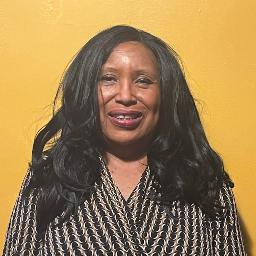






Monika Broecker
LMFT
California - 14 yrs exp


Nicole Logan
LPC, LPCC
California - 10 yrs exp











How immigration issues therapy typically works for California residents
If you are navigating immigration-related stress, therapy can be a place to process displacement, legal uncertainty, family separation, cultural adaptation, and the emotional toll of starting over. In California you will find clinicians who combine trauma-informed care with cultural awareness and practical coping strategies. Therapy often begins with an intake conversation where you and the clinician identify immediate concerns, set goals, and agree on a meeting schedule. Sessions may focus on emotional regulation, processing past experiences, adapting to a new culture, and building routines that support daily functioning. Many therapists also help you develop communication skills to manage family dynamics and advocate for your needs when interacting with schools, employers, or legal services.
Because immigration experiences vary widely - from recent arrival to multi-generational family histories - clinicians tailor their approach to your circumstances. You might work with an individual therapist to explore personal trauma, meet with a family clinician to address cross-cultural household tensions, or join a group that connects you with others facing similar transitions. Therapists in California often collaborate with community organizations, legal advocates, and resource centers so they can point you toward supportive services beyond therapy itself.
Therapeutic approaches commonly used
Therapists who specialize in immigration issues draw from a range of therapies that are adapted to cultural context. Trauma-focused approaches can help when memories of violence, loss, or dangerous migration journeys are affecting daily life. Cognitive-behavioral techniques are useful for addressing anxiety, intrusive thoughts, and beliefs that interfere with adjustment. Narrative and culturally centered therapies provide space to integrate identity and migration stories into a cohesive sense of self. In many cases clinicians incorporate practical skills - such as stress management, sleep strategies, and social reconnection - to stabilize day-to-day living while deeper themes are explored.
Finding specialized help for immigration issues in California
When you search for a therapist in California, consider clinicians who list immigration-related experience, bilingual language skills, or a background in cross-cultural work. Major urban areas like Los Angeles, San Francisco, and San Diego have larger networks of clinicians with experience in diverse populations, but you can also find skilled providers throughout the state. You may want to look for therapists who have training in trauma, family systems, or community mental health, or those who have experience working with immigrant-serving agencies. In addition to private practices, community clinics and nonprofit organizations often offer therapy on sliding scales and have staff who are familiar with immigration-specific challenges.
Licensure matters because therapists licensed in California understand state regulations and can coordinate care with local providers. If language access is important for you, seek clinicians who speak your preferred language or who can refer you to interpreters. Asking about cultural competence - how a clinician incorporates your cultural background and values into care - can help you gauge whether they are a good fit. You can also inquire whether a clinician has experience supporting clients through documentation-related stress and the social impacts of changing legal status, while remembering that therapists are not a substitute for legal advice but can work alongside legal advocates.
Working with community resources
Therapy often works best in combination with practical supports. In California you have access to community centers, immigrant resource hubs, and nonprofit legal services that can complement therapy. If you live in a large metro area, you might connect with social groups or cultural associations that reduce isolation and provide practical guidance. In smaller towns, therapists can help you identify remote resources and online communities that reduce the sense of being alone. When you pursue therapy, ask your clinician about local referrals for housing assistance, employment services, and legal clinics that specialize in immigration matters.
What to expect from online therapy for immigration issues
Online therapy has become an accessible option across California, allowing you to work with clinicians regardless of city boundaries. If you live in Los Angeles but prefer a therapist who is located in San Francisco, online sessions can make that match possible. Online work often mirrors in-person therapy in structure - regular appointments, goal setting, and therapeutic techniques - but it offers flexibility with scheduling and reduces travel time. You should consider your comfort with technology, the privacy of your environment during sessions, and whether your internet connection supports stable video calls.
When you try online therapy, clinicians will typically explain how telehealth works, what platform they use, and steps for responding to crises. If you have safety concerns or need immediate help during a session, your clinician will discuss a plan that includes local emergency contacts. Online sessions can be particularly helpful if you require a clinician who speaks your language or has specialized immigration experience that is not available locally. They can also connect you to virtual support groups and digital resources specific to immigrant communities.
Common signs that someone in California might benefit from immigration issues therapy
You may notice several indicators that therapy could help. If you are experiencing persistent anxiety related to legal status, documentation processes, or court dates, therapy can provide coping strategies and emotional support. Sleep disturbances, intrusive memories of migration, or avoidance of reminders of past experiences are common signs that trauma is affecting daily life. Relationship strain within families as roles shift, intergenerational conflicts over cultural values, or difficulty communicating across languages can also be addressed in therapy. Additionally, if you find yourself withdrawing from social life, struggling with work or school, or feeling overwhelmed by acculturation pressures, a clinician can help you develop practical steps to regain balance.
Therapy can also be a space to plan for longer-term goals beyond immediate stress relief. Many people use therapy to explore identity, build community supports, and develop strategies for navigating institutions like healthcare and education systems in a new country. If you are uncertain whether therapy is right for you, an initial session can be a low-commitment way to see how a clinician works and whether their style feels helpful.
Tips for choosing the right therapist for immigration-related concerns in California
Start by clarifying what matters most to you - language, cultural background, experience with immigration-related trauma, family-focused work, or flexible scheduling. When you contact potential therapists, ask about their experience with immigration issues and how they approach culturally informed care. It is reasonable to ask about modality - whether they provide online sessions, in-person appointments in a comfortable environment, or both - and about fees, insurance, and sliding scale options. Trust your sense of rapport; if you do not feel heard in the first few sessions it is appropriate to try a different clinician.
Consider practicalities such as location if you prefer in-person care, or time zones and availability if you opt for online sessions. If you have children or family members who may also benefit from therapy, inquire about family or child-focused services. You may also want to know whether the clinician collaborates with legal advocates and community organizations so you can coordinate supports. In California cities like Los Angeles, San Francisco, and San Diego there are more clinicians with specialized training, but clinicians across the state bring varied strengths that can match your needs.
Making the choice to seek support is a meaningful step. Whether you are dealing with the stress of documentation, processing trauma, or navigating a new cultural landscape, a therapist can help you build tools for resilience and connection. Take your time, ask questions, and look for a clinician whose approach respects your history, language, and goals for the future.