Find a Hearing Impaired Therapist in California
Explore therapists in California who focus on hearing impairment and communication-accessible care. This page highlights clinicians offering a range of approaches and accommodations across the state. Browse the listings below to find professionals who match your communication needs and preferences.
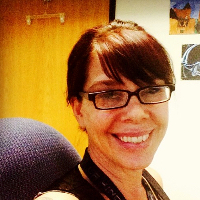










Jamayla Gray
LPCC
California - 6 yrs exp



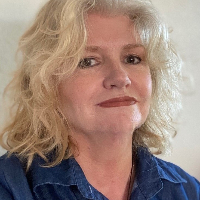
Pamela Kesler
LMFT
California - 50 yrs exp








How hearing impaired therapy works for California residents
If you are living in California and seeking therapy related to hearing loss or communication differences, services are available in both in-person and online formats. Therapy for hearing impairment often emphasizes communication strategies, emotional adjustment, relationship dynamics and practical problem solving - all adapted to your preferred mode of communication. Some clinicians work directly in American Sign Language, while others coordinate with qualified interpreters or use captioning and real-time text to make sessions accessible. You can expect therapists to ask about your hearing history, assistive technology use and communication goals so they can tailor sessions to your needs.
Many therapists also collaborate with audiologists, speech-language pathologists and other specialists when goals include auditory rehabilitation or communication training. If you live in a major metro area like Los Angeles, San Francisco or San Diego you may find clinicians with specialized experience more readily. In smaller communities or outside major cities, online options widen the pool of providers who can offer language access and relevant clinical experience.
Finding specialized help for hearing impairment in California
Begin by identifying the communication methods you rely on most - for example American Sign Language, signed exact English, speechreading or captioning - and look for clinicians who explicitly note experience with those approaches. In large regions such as Los Angeles and the Bay Area you are more likely to find therapists who list ASL fluency or experience working with Deaf and hard-of-hearing clients. You can also search for clinicians who have training in disability-affirming care, trauma-informed approaches or family counseling if relationship dynamics around hearing loss are a concern.
When evaluating potential therapists, check whether they are licensed to practice in California and whether they mention accommodations like captioned video sessions, chat-based check-ins or written summaries. It is reasonable to ask a clinician how they handle interpretation, whether they have experience scheduling qualified interpreters, and how they document consent and expectations when an interpreter is part of the session. For many people, a therapist who can communicate in your primary language - whether that is ASL or spoken English - will make engagement easier and more effective.
Licensing and practice considerations
Therapists who provide clinical services to residents of California should hold appropriate licensure from the state. If you plan to receive telehealth from a clinician who is not local, confirm that they are legally permitted to provide services to people living in California. Licensing also means there are clear professional standards and complaint procedures if you need to ask questions about scope of practice or ethical concerns. Many clinicians list their credentials and license numbers on their profiles so you can verify them with the California regulatory board.
What to expect from online therapy for hearing impairment
Online therapy can be a practical option if you live outside the major cities of California or prefer remote sessions. When you choose online care, you can look for therapists who offer captioning for live video, sign language interpretation services, or text-based scheduling and follow-up. A common first session will include a review of your communication preferences, an assessment of your goals and a discussion of practical arrangements - how captioning will be provided, whether an interpreter will join, and how privacy of session notes will be managed.
Keep in mind that not every online session needs to use the same format. You and your therapist can adapt over time - for example combining ASL video sessions with written summaries, or using chat for brief check-ins between video visits. If you use hearing aids, cochlear implants or other assistive devices, your therapist may ask how these tools affect your daily communication and whether you want to address device-related stress, social adjustments or communication strategies in therapy.
Common signs that someone might benefit from hearing impaired therapy
You might consider seeking a therapist if you notice persistent feelings of isolation, frustration in relationships due to communication breakdowns, or increased anxiety when you need to navigate new listening environments. Changes in mood, withdrawal from social activities you once enjoyed, or difficulty adjusting to a recent diagnosis of hearing loss are also common reasons people look for specialized support. Caregivers and family members sometimes seek therapy to learn how to improve communication at home and support a loved one through adjustment periods.
It is also helpful to consider therapy when practical problems - such as workplace communication challenges, stress related to medical appointments, or grief about shifting identity - interfere with your day-to-day functioning. Therapy can provide a space to explore coping strategies, rehearse communication techniques and build support networks that respect your communication preferences.
Tips for choosing the right therapist for hearing impairment in California
When evaluating providers, start with communication compatibility. If you use ASL, seek clinicians who are fluent or who regularly work with certified sign language interpreters. If spoken language with captioning is your preference, ask about the captioning service they use and whether captions appear live during sessions. You should also ask about a therapist's experience with hearing loss - whether they have worked with Deaf or hard-of-hearing clients, and whether they understand the cultural dimensions of Deaf culture if that is important to you.
Consider practicalities like location and availability. If you are in San Jose or Sacramento, you may find clinicians whose schedules are oriented to local time zones and who have experience with community resources in your area. In larger urban centers such as Los Angeles and San Francisco, specialty services and community groups may be more accessible, but online care can bridge gaps if local options are limited. Discuss fees, insurance participation and sliding scale options directly with a clinician so you have a clear sense of costs before starting care.
Questions to ask during a first contact
When you reach out to a potential therapist, ask how they accommodate communication needs, whether they have experience with hearing technologies and if they can provide references or examples of past work with similar concerns. It is reasonable to request a brief phone or video consultation to get a sense of rapport and to confirm technical arrangements such as captioning or interpreter scheduling. A good clinician will welcome questions and outline how they adapt their approach to fit your communication style and therapy goals.
Practical next steps and resources in California
Begin by narrowing your search to clinicians who state experience with hearing impairment and list the accommodation methods they offer. Reach out and ask specific questions about communication before booking a full session. If you live near Los Angeles, San Francisco, San Diego, San Jose or Sacramento, explore local community organizations and advocacy groups that can recommend clinicians and interpreter services. If you opt for telehealth, verify licensure and clarify how sessions will be captioned or interpreted so there are no surprises on the first day.
Finding the right therapist can take time, but focusing on communication fit, clinical experience with hearing loss and practical logistics will help you connect with a clinician who meets your needs. Use the listings on this page to compare profiles, and don't hesitate to reach out to several providers to see who feels like the best match. With thoughtful searching and clear questions, you can find a therapist in California who supports your communication goals and well-being.