Find a Guilt and Shame Therapist in California
This page highlights therapists in California who focus on guilt and shame, including options for in-person and online care across the state. Browse the listings below to view profiles, therapeutic approaches, and availability.












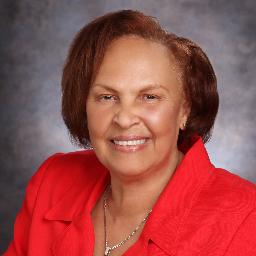
Marlo Lewis
LCSW
California - 8 yrs exp











How Guilt and Shame Therapy Works for California Residents
If you are living in California and struggling with persistent feelings of guilt or shame, therapy can offer a structured way to examine those emotions and their impact on daily life. Therapy typically begins with an assessment of what those feelings look like for you - when they appear, how intense they are, and how they affect relationships, work, or self-esteem. From there, a therapist and you will identify goals and choose methods that fit your situation. Many clinicians combine cognitive approaches that help you reframe unhelpful thinking with experiential practices that allow you to process painful memories or relational patterns. Therapy is a collaborative process that helps you build new skills to respond differently to triggers and to develop a greater sense of self-compassion.
Finding Specialized Help for Guilt and Shame in California
California offers a wide range of mental health professionals who specialize in guilt and shame, from therapists in big urban centers to clinicians in smaller communities. When searching, consider clinicians who explicitly list guilt, shame, self-blame, or related trauma and relational concerns as areas of focus. You will find therapists working with different training backgrounds - such as clinical social workers, licensed professional counselors, psychologists, and marriage and family therapists - and each brings slightly different perspectives and tools. Location matters if you prefer face-to-face sessions; metropolitan areas like Los Angeles, San Francisco, and San Diego tend to have more options, while suburban and rural areas may have fewer clinicians but often offer telehealth or hybrid schedules to increase access. Licensing requirements in California aim to ensure that therapists meet education and supervised experience standards, so reviewing credentials and stated specializations can help you find someone suited to guilt and shame work.
What to Expect from Online Therapy for Guilt and Shame
Online therapy has become a common way to receive focused help for guilt and shame across California. If you choose remote work, expect to use video calls for most sessions, with some clinicians offering phone or messaging options between appointments. Online therapy can reduce barriers such as travel time, caregiving responsibilities, or living far from major city centers. Many people find that virtual sessions make it easier to attend consistently, which often improves outcomes. During online sessions, therapists will use many of the same interventions as in person - exploring thought patterns, practicing new behaviors, and working through painful memories - while also adapting exercises to a digital format. Before beginning, confirm practical details such as session length, fees, cancellation policies, and how a therapist handles emergencies. You should also ask about their experience providing online therapy and how they create a trusting, comfortable environment in a virtual setting.
Common Signs You Might Benefit from Guilt and Shame Therapy
You may consider seeking support if feelings of guilt or shame are frequent, intense, or interfering with your life. If you notice that you withdraw from friends or family, avoid situations out of fear of judgment, or have troubles at work related to self-criticism, these can be indicators that focused therapy would help. Other signs include persistent rumination about past actions, difficulty forgiving yourself, a tendency to accept blame for things beyond your control, or patterns of people-pleasing that leave you depleted. Physical symptoms such as sleep disturbance, appetite changes, or increased anxiety can also accompany chronic guilt or shame. If these patterns feel familiar, therapy can offer strategies to interrupt self-critical loops, to examine the origins of these emotions, and to develop healthier ways of relating to yourself and others.
Choosing the Right Therapist for This Specialty in California
Selecting a therapist who fits your needs is an important step. First, consider approach and experience - some therapists emphasize cognitive methods that help you challenge shame-based beliefs, while others use narrative or trauma-informed approaches to rewrite the story you tell about yourself. Attachment-focused or relational therapists can be helpful when shame is tied to early relationships, and therapists trained in mindfulness or compassion-focused modalities can provide practices to build self-kindness. Location and logistics matter as well; if you prefer in-person care, look for clinicians near where you live or work in cities such as Los Angeles, San Francisco, or San Diego. If you need flexibility, prioritize therapists who offer weekday evenings or online sessions. Practical considerations like insurance acceptance, sliding scale options, and whether the therapist is currently accepting new clients will also shape your choices. Many therapists offer a brief consultation call which provides a chance to gauge rapport and ask about their experience with guilt and shame work. Trust your sense of connection - feeling understood and respected during that initial exchange is often a strong predictor of a productive therapeutic relationship.
What Questions to Ask During an Initial Consultation
When you reach out for an introductory conversation, you can use that time to clarify how a therapist typically works with guilt and shame, what kinds of techniques they use, and how progress is measured. Ask about their experience treating issues similar to yours, and whether they have worked with clients from backgrounds or cultures like your own. It is reasonable to ask how they handle strong emotions that arise in session, and how they support clients between appointments if needed. You may want to learn about the average length of treatment for the concerns you present and what a typical session involves. If you have preferences around the therapeutic relationship - such as a focus on practical skills versus deeper exploration - bring those up so you can find someone whose style matches your expectations.
Practical Considerations Across California
California is geographically and culturally diverse, and access to mental health care can look very different depending on where you are. Urban centers usually offer a broad range of specialized clinicians and group options, while suburban and rural areas may rely more on online therapy to fill gaps. Resources such as community clinics, university training clinics, and employer assistance programs can provide additional pathways to care. If cost is a factor, look for therapists who offer sliding scale fees or reduced-rate sessions at certain times. Language preference can also be important - many therapists in California offer services in Spanish and other languages. Transportation, childcare, and work schedules can all influence whether you choose in-person or online care, so consider these practical issues when making a decision.
Taking the First Step
Beginning therapy for guilt and shame is an act of self-care and of choosing to change how you live with difficult emotions. You do not have to resolve everything at once. A thoughtful therapist will help you set manageable goals, build skills to reduce self-criticism, and support you as you practice new ways of relating to yourself. Whether you seek help in Los Angeles, San Francisco, San Diego, or elsewhere in California, there are clinicians who specialize in this work and who can tailor a plan to your life. Use the listings above to compare profiles, reach out for a consultation, and select a clinician who feels like a good fit for the path you want to take.