Find a Forgiveness Therapist in California
This page lists therapists in California who specialize in forgiveness work, offering profiles you can review by location and approach. Explore therapists below to compare specialties, methods, and availability across the state.

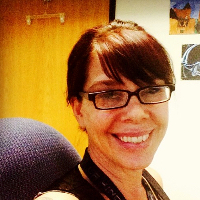




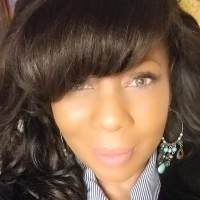
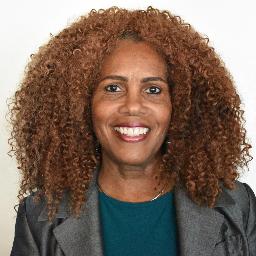
Marlo Lewis
LCSW
California - 8 yrs exp










How forgiveness therapy works for California residents
Forgiveness therapy helps you examine feelings of hurt, anger, and resentment with the aim of reducing their hold on your daily life. In practice you and your therapist will explore the story behind the wound, how it affects your relationships and well-being, and practical steps you can take toward letting go or reframing the experience. Sessions often combine emotional processing with skill-building - learning how to set boundaries, communicate needs, and rebuild trust when appropriate.
Therapists adapt forgiveness work to fit your background and goals. Some draw on cognitive-behavioral techniques to shift unhelpful thoughts that keep you stuck. Others use narrative approaches to rewrite the meaning of an event, or emotion-focused methods to allow painful feelings to move through you. Many incorporate mindfulness or compassion-based practices to cultivate a gentler relationship with yourself and with others.
Where the California context matters
Living in California can shape the therapy experience in practical ways. You may look for a clinician who understands multicultural dynamics, immigration stress, or family expectations common in diverse communities. Urban centers like Los Angeles and San Francisco often have providers with specialized expertise in relational and interpersonal harm, while coastal and inland areas offer therapists skilled in trauma-informed forgiveness and restorative approaches. Your therapist can help you weigh cultural values and legal considerations when forgiveness intersects with safety or ongoing conflict.
Finding specialized help for forgiveness in California
When you search for a forgiveness specialist in California, start by looking for clinicians who list forgiveness, reconciliation, or related approaches in their profiles. Professional credentials such as licensed marriage and family therapists, clinical social workers, or psychologists indicate formal training and oversight. In your initial outreach you can ask about a therapist's experience with forgiveness work, the methods they use, and whether they have worked with people facing similar circumstances to yours.
Accessibility is another practical factor to consider. If you live in a major city you may have more options for in-person sessions in Los Angeles, San Francisco, San Diego, San Jose, or Sacramento. If you are further from urban centers you can look for clinicians offering remote sessions. Many therapists in California also provide sliding scale fees or accept regional insurance plans, so inquire about payment options during your first contact.
Cultural and community fit
Forgiveness often involves family, faith, or cultural traditions, so finding a therapist who respects and understands those dimensions can make the process feel more relevant. You can ask whether a clinician has experience with faith-based perspectives, intergenerational dynamics, or cultural rituals that influence forgiveness practices. A therapist who can weave those elements into the work helps you develop solutions that are authentic to your values rather than imposed from outside.
What to expect from online therapy for forgiveness
Online therapy gives you flexibility to meet with a forgiveness specialist from the comfort of your home or another calm setting. You can expect sessions by video, phone, or messaging, depending on the therapist's offerings. Many people appreciate the convenience of remote sessions, especially when balancing work, family, or travel. Video sessions allow for visual cues and immediacy similar to in-person meetings, while phone or messaging can be helpful for shorter check-ins or when bandwidth is limited.
Before starting online therapy, check the therapist's licensure and whether they practice with California residents. You should also ask about session length, expected frequency, typical duration of forgiveness work, and how the therapist handles crisis situations or referrals. Good therapists will explain personal nature of sessions practices and how your information is protected, and they will outline boundaries around cancellations and emergency contacts.
Technical and practical details
To get the most from online forgiveness work, choose a quiet, distraction-free spot and a reliable internet connection. Time zone awareness is important when scheduling with therapists across the state - an early appointment in San Diego will feel different from an evening session in San Francisco. If you prefer in-person sessions, look for therapists who maintain offices in the major hubs or offer hybrid models so you can move between formats as your needs evolve.
Common signs that someone in California might benefit from forgiveness therapy
You might consider forgiveness-focused therapy if you find yourself replaying a painful event repeatedly, feeling ongoing resentment that affects your mood, or withdrawing from relationships because of mistrust. Persistent anger that interferes with work or sleep, repeated conflict with the same person, or difficulty forming new connections after a betrayal are also common indicators. Sometimes physical tension, headaches, or changes in appetite accompany unresolved hurt, and addressing the emotional source can bring relief.
Forgiveness work is not about forcing reconciliation or minimizing harm. It is about helping you decide what peace of mind would look like for you and creating a path toward that outcome. If you are weighing whether to forgive, or you are dealing with mixed feelings about contact with the person who hurt you, a therapist can help you clarify boundaries, safety considerations, and personal values in a way that supports your long-term well-being.
Tips for choosing the right therapist for this specialty in California
Begin by reading therapist profiles to learn about training, therapeutic approach, and experience with forgiveness work. Consider scheduling brief consultations with a few clinicians so you can gauge warmth, style, and whether their methods feel like a fit. Ask direct questions about their experience with cases like yours, what a typical course of forgiveness therapy looks like, and how they measure progress.
Practicalities matter as much as theoretical fit. Look for a therapist whose availability aligns with your schedule, who accepts your insurance or offers an affordable fee, and who provides the format you prefer - in-person in Los Angeles or San Francisco, or online if you live farther away. Trust your instincts about how safe and supported you feel during an initial meeting. Effective forgiveness work depends on a therapeutic relationship where you feel heard and where the pace respects your readiness.
Finally, remember that forgiveness is a process rather than a single event. You may try a therapist and decide a different approach would suit you better. Changing clinicians is a normal part of finding the right match. Use initial sessions to establish goals and check in regularly about whether the work is helping you move toward those goals.
Whether you are seeking help in a major metro area such as Los Angeles, San Francisco, or San Diego, or you prefer remote sessions that let you connect with specialists across California, the therapists listed on this site can help you begin that work. Take your time to review profiles, reach out with questions, and arrange an introductory conversation to find a clinician who feels right for your journey.