Find a First Responder Issues Therapist in California
This page lists therapists in California who specialize in first responder issues, including work with firefighters, EMTs, police officers, and dispatch personnel. Use the filters below to browse clinicians with relevant experience and find professionals who fit your needs.





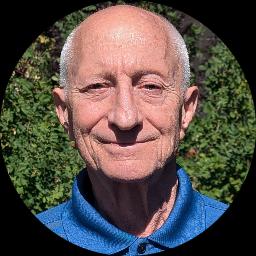



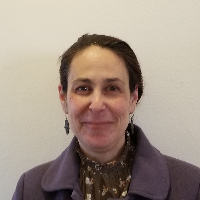
Rekeeshella Elder
LMFT
California - 9 yrs exp











How first responder issues therapy works for California residents
If you are a first responder in California seeking help, therapy typically begins with an intake conversation to understand your roles, responsibilities, and the kinds of incidents you encounter on duty. Therapists who focus on first responder issues will work with you to identify the main stressors - whether they come from exposure to critical incidents, cumulative stress, shift work, or the demands of balancing work and home life. In a first few sessions you and your clinician will map out goals that reflect both immediate needs, such as managing sleep disruption or intrusive memories, and longer term priorities, such as rebuilding trust with family or returning to regular routines after a difficult event.
Licensing and practice considerations in California
Because state rules govern mental health practice, therapists who provide services to people living in California are generally licensed to practice in the state. You can ask potential clinicians about their license type - for example Licensed Clinical Social Worker or Licensed Marriage and Family Therapist - and where they hold their credential. Many therapists will describe their experience working with emergency personnel and the kinds of approaches they use. It is reasonable to ask about treatment methods, availability for appointments around shift schedules, and how they coordinate care with other supports you may have through your employer or union.
Finding specialized help for first responder issues in California
When searching for a therapist who understands first responder culture and stressors, look for clinicians who highlight experience with emergency services or trauma-related work. Many therapists who serve first responders have worked directly with firefighters, police, EMTs, and dispatchers or have training in trauma-informed approaches. You can refine your search by location if you prefer in-person sessions in cities such as Los Angeles, San Francisco, or San Diego, or by telehealth options if you need flexibility. Specialized experience matters because clinicians who know the rhythms of shift work, the impact of exposure to crises, and the language used in emergency professions can often build rapport more quickly.
Local resources and community context
California's diverse regions present different challenges and resources. Urban first responders in Los Angeles or San Francisco may face high call volumes and complex community dynamics, while those in other areas may respond to large-scale incidents like wildfires or earthquakes. Local peer support teams, departmental wellness programs, and community mental health services can all complement individual therapy. When you explore options, consider how a therapist connects with these local networks and whether they have experience collaborating with organizational supports to provide comprehensive care.
What to expect from online therapy for first responder issues
Online therapy can be an effective and practical option for many first responders, especially when shift work or station assignments make in-person visits difficult. You should expect an initial assessment conducted by video or phone, followed by regular sessions that fit your schedule. Therapists may offer evening or weekend appointments and asynchronous messaging for brief check-ins between sessions. Online work often uses the same evidence-informed techniques as in-person care, such as cognitive behavioral strategies, trauma-focused therapies, mindfulness practices, and skills for managing sleep and stress.
Telehealth logistics and safety planning
If you choose online therapy, confirm that the therapist is licensed to treat clients in California and that they follow state telehealth guidelines. Ask how they handle technological issues, how they protect your privacy during sessions, and what steps are taken if you are in crisis. A clinician should explain how to access emergency services in your area and help you develop a safety plan that accounts for your work hours and living situation. Because you may be participating from a shared living space or from a station, discuss arrangements that allow you to speak openly in a comfortable environment.
Common signs that you or a colleague might benefit from first responder issues therapy
First responders may notice a range of changes that suggest therapy could help. You might be experiencing difficulty sleeping, recurring memories of disturbing calls, heightened startle response, persistent irritability, or trouble connecting with family and friends. Some people find they are drinking more, avoiding certain types of calls, or struggling to concentrate on tasks that were previously routine. You may also find emotional responses that feel out of proportion to situations off duty, or you may feel overwhelmed by cumulative stress that reduces resilience over time. If these patterns are affecting your work, relationships, or sense of well-being, seeking a therapist familiar with first responder experiences can provide targeted support.
Tips for choosing the right therapist for this specialty in California
Start by clarifying what you want from therapy - symptom relief, better coping skills, support after a critical incident, or help navigating family impacts. When you contact a clinician, ask about their experience working with first responders and the specific techniques they use. Inquire about flexibility for shift work, whether they offer evening or weekend appointments, and how they handle cancellations or last-minute changes. Ask about payment options and whether they accept your insurance or offer a sliding scale. It is also helpful to discuss whether they coordinate with other supports you use, such as occupational health programs or peer responders, while maintaining your privacy and autonomy.
Building rapport and assessing fit
You should feel comfortable asking questions during an initial consultation. A good therapist will welcome inquiries about their approach and will discuss how they work with trauma-related concerns, stress management, and relationship impacts. Trust and fit are important - if a therapist's style or approach does not resonate with you, it is reasonable to try a different clinician until you find someone who matches your needs. Many first responders report that working with someone who understands the culture of emergency work - including the realities of Los Angeles shifts or the pressures of emergency response in San Diego or San Francisco - makes the therapeutic process feel more relevant and effective.
Next steps and ongoing care
Once you begin therapy, you and your therapist will track progress and adjust goals over time. Some people benefit from a brief series of focused sessions, while others prefer ongoing support to manage long-term stressors or to process repeated exposure to traumatic events. In addition to individual therapy, clinicians may suggest complementary supports such as family sessions, peer groups, or stress management training. If you are covered by an employer program, consider how those resources fit with private therapy options so that care is coordinated and responsive to your schedule and needs.
Searching for the right therapist in California may take time, but prioritizing clinicians with first responder experience, flexible scheduling, and an approach that aligns with your goals can make a meaningful difference. Whether you live in a dense urban area like Los Angeles, a coastal region like San Francisco, or a city such as San Diego, there are clinicians who understand the unique demands of emergency work and can partner with you to restore balance and resilience.