Find a Fatherhood Issues Therapist in California
This page helps you find therapists in California who focus on fatherhood issues. Browse the listings below to compare experience, therapeutic approaches, and availability in your area.





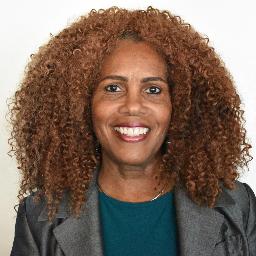





Claudia Smith
LCSW
California - 40 yrs exp













How fatherhood issues therapy works for California residents
If you are exploring therapy for fatherhood-related concerns in California, you will find a range of approaches that are tailored to parenting, identity, relationships, and life transitions. In practice, therapy typically starts with an intake session where you and a clinician review your goals, current stressors, and family dynamics. Clinicians licensed in California include marriage and family therapists, clinical social workers, psychologists, and licensed professional counselors. Each brings different training and frameworks, but the first sessions are usually focused on understanding what you want to change and how therapy can fit into your schedule and responsibilities.
Because California is geographically large and culturally diverse, services may look different depending on where you live. Urban centers offer clinicians with specializations in co-parenting after separation, perinatal mood challenges in fathers, or complex family systems. Rural and suburban areas may have fewer specialized providers, but many clinicians offer flexible scheduling and remote sessions to reach more families. If you have insurance, check for in-network providers and ask about session length, cancellation policies, and sliding scale options during the initial contact.
Types of support you might find
Your therapist may combine practical parenting strategies with emotional processing and communication skill-building. Some clinicians offer short-term coaching focused on parenting techniques, while others provide longer-term psychotherapy that explores identity shifts, unresolved childhood issues that affect parenting, or relationship patterns with a partner. There are also group programs and father-specific workshops that focus on peer support, parenting skills, or transitions into new fatherhood roles.
Finding specialized help for fatherhood issues in California
When searching for a therapist who understands fatherhood-specific concerns, look for clinicians who list fatherhood, parenting, or men’s issues among their specialties. You can also check profiles for experience with the particular challenge you face - for example, navigating co-parenting after a breakup, managing anger or stress related to parenting, supporting blended family dynamics, or adjusting to life with a newborn. Many therapists include information about the populations they serve, their therapeutic orientation, and whether they have experience with court-related work if custody matters are part of the situation.
If you live in or near major cities such as Los Angeles, San Francisco, or San Diego, you may find clinicians with specialized training in areas like multicultural parenting, LGBTQ+ fatherhood, or addiction recovery as it intersects with parenting. In smaller communities, local clinics, community mental health centers, and parenting organizations may offer relevant resources and referrals. Don't hesitate to call a clinic or send an email asking specific questions about the therapist’s experience with fatherhood issues - a short conversation can help you gauge whether someone is a likely fit.
What to expect from online therapy for fatherhood issues
Online therapy has become a common and practical option for California residents balancing work, family life, and childcare. When you choose remote sessions, expect to use video or phone calls for meetings, with some clinicians offering text-based messaging for scheduling and brief check-ins. Online therapy often allows for greater scheduling flexibility so you can meet before work, after bedtime routines, or during lunch breaks. It also broadens your options by letting you work with clinicians outside your city, which can be especially helpful if you live in an area with fewer specialized providers.
During virtual sessions you will still work on the same goals as in-person therapy - improving communication, managing stress, redefining your role as a parent, and developing strategies for specific parenting challenges. Some clinicians may recommend exercises to practice between sessions, such as communication scripts with a co-parent or self-care routines to help manage reactivity. Make sure you have a comfortable environment for sessions and that your internet connection and device are reliable. Ask the clinician beforehand about call length, attendance expectations, and how they handle emergency situations.
Common signs that you might benefit from fatherhood issues therapy
You might consider reaching out for help if you notice persistent feelings that interfere with daily parenting - for example, chronic irritability, difficulty connecting emotionally with your child, or trouble adjusting to new responsibilities. If co-parenting conversations routinely turn into conflict, or if separation and custody challenges are causing ongoing stress, a therapist can help you develop communication strategies and coping tools. Other signs include feeling overwhelmed by work-life balance, struggling with grief or loss related to family changes, or noticing that old patterns from your own upbringing are showing up in your parenting in ways you want to change.
It can also be helpful to seek support if you feel isolated as a father or if you are navigating identity changes related to becoming a parent. Parenting does not occur in isolation - it interacts with relationships, work, and personal history - so addressing these interconnected areas in therapy can reduce stress and improve your ability to engage with your children in ways that feel aligned with your values.
Tips for choosing the right therapist for this specialty in California
Choosing a therapist is a personal decision and finding someone who understands your experience as a parent can make a meaningful difference. Start by clarifying what you want to achieve in therapy. If your main goal is to improve co-parenting, look for someone with experience in family law-related emotional work. If you are struggling with anxiety or mood during the transition to fatherhood, prioritize clinicians who combine skills-based approaches with support for life transitions. Consider whether you prefer a clinician who offers homework and structured tools or someone who emphasizes reflective exploration of your parenting identity.
Logistics matter too. Think about whether you want in-person sessions or telehealth, which days and times fit your schedule, and whether insurance coverage or sliding scale fees are important. If you anticipate court involvement or need documentation for legal processes, mention that up front so the clinician can explain their experience and limitations. Cultural competence is also important in California’s diverse communities - you may want a therapist who understands your cultural background, language preferences, or specific family structures such as stepfamilies or same-sex parenting.
Questions to ask during a first contact
When you reach out, consider asking about the clinician’s experience with fatherhood issues, their typical approach, session frequency, and whether they have experience with issues like co-parenting, anger management, or perinatal mental health as it affects fathers. Ask how they handle personal nature of sessions and emergencies so you know what to expect between sessions. A brief phone call or message exchange can give you a sense of rapport and whether their communication style feels like a fit for you.
Preparing for your first sessions
Before your first meeting, reflect on the most pressing concerns you want to address and any goals you hope to set. Jot down recent examples of interactions or moments that illustrate the challenges so you can discuss them concretely. If co-parenting is involved, think about whether you want separate sessions, joint sessions, or a combination. Be ready to discuss your daily routine so the clinician can suggest practical strategies that fit your life as a parent in California.
Therapy is a collaborative process and you have the right to evaluate how well the work is helping. If after a few sessions you feel the approach is not matching your needs, it is reasonable to discuss adjustments or seek a referral to someone with a different background. Finding the right fit can take time, but many fathers find that engaging in therapy leads to clearer communication, more confidence in parenting decisions, and improved relationships at home.
Whether you are in Los Angeles, San Francisco, San Diego, or another part of California, there are therapists who focus on the unique challenges of fatherhood. Use the listings above to explore profiles, read about approaches, and reach out to clinicians who seem aligned with your goals. Taking that first step can open the door to more targeted support as you navigate parenting, relationships, and life transitions.