Find a Family Therapist in California
This page lists licensed family therapy professionals serving communities across California. You can browse profiles by location, specialties, and therapy approach to find a good match.
Scroll through the listings below to compare therapists, read descriptions, and contact practitioners who fit your family’s needs.



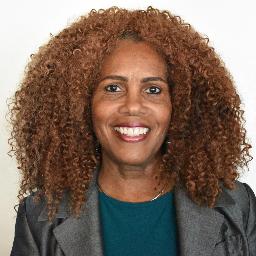
Menachem Stulberger
LMFT
California - 12 yrs exp









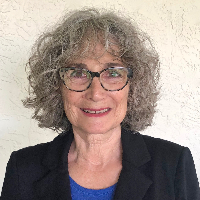
Therese Schmoll
LMFT
California - 30 yrs exp










How family therapy works for California residents
Family therapy focuses on relationships, patterns of communication, and the ways life events affect the whole household. In California, therapists blend evidence-informed methods with culturally responsive care to address concerns that range from parenting and blended family dynamics to caregiving and major life transitions. Sessions typically involve multiple family members at once, though some therapists use a mix of joint meetings and individual check-ins to address specific needs. The aim is to help you and your family develop healthier interaction habits, clearer boundaries, and practical strategies to manage conflict.
Therapists in urban centers like Los Angeles and San Francisco often work with diverse family structures and may have additional experience with issues common in busy, high-stress environments. In suburban and rural parts of the state, therapists may prioritize community resources and localized supports. Regardless of where you live, the process begins with an assessment of your family’s strengths and challenges, followed by collaborative goal setting and periodic reviews of progress.
Finding specialized help for family issues in California
Families come to therapy for many reasons, and California therapists often develop specialties that reflect regional needs. Some clinicians focus on parenting across developmental stages, from early childhood through adolescence. Others specialize in stepfamilies and co-parenting after separation, working to help adults coordinate parenting plans while supporting children’s emotional needs. There are therapists who concentrate on healing after trauma, addressing the ripple effects of adverse events on family functioning. When searching, look for therapists who list family systems, marriage and family therapy, or specific approaches such as structural or narrative family therapy among their areas of expertise.
Location can matter when you seek a clinician with certain experience. In Los Angeles, you may find therapists with extensive work in blended or celebrity family contexts, while in San Diego there may be more clinicians experienced with military families and transitions. San Francisco therapists often bring experience working with high-achievement pressures and diverse cultural identities. Paying attention to a therapist’s descriptions of population served and typical case examples will help you identify someone whose experience aligns with your family’s situation.
What to expect from online family therapy
Online therapy has become a widely used option in California, offering convenience and greater access to specialists who may not be local. When you choose online family therapy, sessions usually take place over a video platform and may include multiple participants dialing in from different locations. Many therapists use secure video tools and established telehealth protocols to preserve the therapeutic frame and manage personal nature of sessions within the household. You should expect an initial discussion about technology needs, how to handle interruptions, and agreements about who participates and when.
Online sessions can be particularly helpful when family members live in different parts of the state, for example when one parent is in San Jose and another is in Sacramento. They can also make it easier to maintain continuity during busy schedules or when mobility is a concern. While some therapeutic techniques translate well to video - such as structured dialogues and psychoeducation - other interventions may be adapted. A good therapist will explain how they tailor methods for an online setting and will suggest practical steps to create a comfortable environment for everyone involved.
Common signs that someone in California might benefit from family therapy
You might consider family therapy if communication has deteriorated to the point where misunderstandings and frequent arguments are the norm. When household routines break down, such as chronic conflicts around parenting responsibilities or financial tensions, family therapy can help you reorganize roles and expectations. Children or teens who show behavioral changes, academic decline, or withdrawal may be signaling that family dynamics are contributing to their distress. Similarly, life transitions like relocation, divorce, the arrival of a new child, or caregiving for an aging parent often introduce stressors that affect everyone and are good reasons to seek support.
If you feel stuck using the same strategies without improvement, or if attempts to solve problems increase resentment, therapy can provide new ways of interacting. You may also benefit from family therapy when one member is coping with mental health issues - such as anxiety or depression - and the family wants to learn how to support recovery without taking on a therapeutic role. In each case, therapy is a space to develop practical skills and to shift patterns that get in the way of connection and functioning.
Tips for choosing the right family therapist in California
Begin by clarifying your goals - are you looking for short-term problem solving around a specific issue, or longer-term work to change persistent patterns? Once you know your priorities, review therapist profiles for relevant training and approach. Licensed marriage and family therapists, licensed clinical social workers, and psychologists may all provide family therapy, so look beyond degrees to the therapist’s stated experience with families, ages served, and any cultural competencies that matter to you.
Consider logistics such as location, availability, and whether you prefer in-person sessions or online meetings. If in-person care is important, look for clinicians near major hubs like Los Angeles, San Francisco, or San Diego, where there is typically a wider range of specialties. If you need flexibility, note which therapists offer evening or weekend appointments. Many profiles include a short description of therapeutic style - some clinicians emphasize practical skills and homework, while others focus on exploring family narratives and underlying emotional patterns. Think about what feels approachable for your family and ask potential therapists about their methods during an initial call.
It can help to inquire about how the therapist involves different family members, how they handle privacy within the home, and how they track progress toward your goals. Ask whether they offer both joint and individual sessions, and how they manage boundaries if family members have conflicting needs. Trust your instincts about rapport - an initial conversation should leave you feeling heard and understood, with a clear sense of what the work will involve.
Making the most of family therapy in California
Once you begin, prepare for sessions by identifying recent interaction patterns and specific moments you want to explore. Consistent attendance and practicing skills between sessions will increase the likelihood of change. Many therapists will give exercises to try at home - these might include structured conversations, role plays, or new ways of dividing household responsibilities. Keep an open mind about timing - some improvements are noticeable quickly, while deeper changes in family culture can take months of steady effort.
Remember that finding the right fit sometimes requires trying a few professionals until you find someone whose approach resonates. Your family’s needs may shift over time, and a therapist who was ideal for one stage may not be the best match later. Regularly revisit your goals with your therapist and be candid about what’s working and what is not. With an intentional approach, family therapy can become a practical resource for navigating transitions and strengthening relationships across California communities.