Find an Eating Disorders Therapist in California
This page highlights therapists who focus on eating disorders across California, including practitioners in major cities and those offering online care. Use the listings below to review credentials, specialties, and treatment approaches. Browse the profiles to find a clinician who meets your needs and preferences.

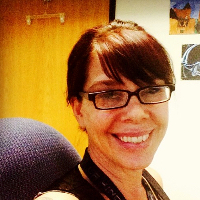




Therese Schmoll
LMFT
California - 30 yrs exp
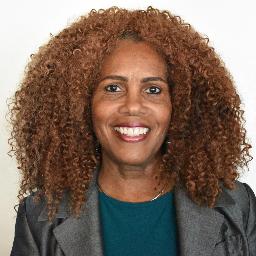




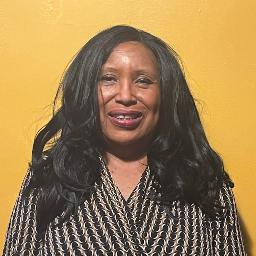






Tim Crosby
LMFT
California - 10 yrs exp




How eating disorders therapy works for California residents
When you begin looking for eating disorders therapy in California you will encounter a range of approaches and settings. Many people start with an initial assessment - either in person or via video - where a clinician asks about your eating patterns, mood, physical health, and daily routines. That assessment helps shape a treatment plan tailored to your goals, whether your focus is restoring regular eating, addressing body image concerns, reducing compulsive behaviors, or improving coping skills.
Therapy often involves regular sessions over weeks or months, and the rhythm of care can vary. Some clinicians prefer weekly sessions to establish momentum, while others offer biweekly or more flexible scheduling depending on your circumstances. In California's larger regions you may find multidisciplinary teams that include therapists, registered dietitians, and medical providers who coordinate care when needed. This collaborative approach can help you balance mental health work with nutritional and medical monitoring, especially when symptoms affect physical health.
Finding specialized help for eating disorders in California
Specialty matters when it comes to eating disorders. Clinicians who work primarily with these concerns have training in evidence-informed approaches and experience with the wide range of behaviors and thoughts that can accompany disordered eating. To find a specialist you can start by narrowing your search by location, clinical focus, and whether you want in-person or online sessions. In dense urban areas such as Los Angeles and San Francisco you are likely to find clinicians with suburban and city practices, as well as programs that serve adolescents, adults, and older adults. In coastal and inland centers like San Diego, San Jose, and Sacramento you may find clinicians who blend outpatient therapy with community-based supports.
When searching, pay attention to licensure and training, but also to experience with specific treatment modalities and populations. Some therapists emphasize cognitive behavioral approaches adapted for eating disorders, while others specialize in family-based work for teens or in trauma-informed methods for people with complex histories. You can also look for clinicians who collaborate regularly with dietitians and medical providers, because eating concerns sometimes call for coordinated care that addresses mental and physical well-being together.
What to expect from online therapy for eating disorders
Online therapy has become a standard option across California, offering flexibility and access when in-person appointments are difficult. When you choose video-based care you can meet with a clinician from home, commute less, and in many cases find therapists outside your immediate city. Online therapy can be particularly helpful if you live in a rural area or if your schedule makes travel to regular sessions challenging.
Expect a structure similar to in-person care: an intake session to gather background, followed by regular sessions focused on goals you set with your clinician. Mental health professionals will often use secure video platforms and established protocols to handle urgent concerns and to coordinate with local medical providers if physical monitoring is needed. Many therapists will also offer a mix of video sessions and occasional in-person meetings when that combination better supports recovery. If you prefer, you can ask about the clinician's experience delivering telehealth for eating disorders and how they handle safety planning and medical referrals within California.
Common signs that someone in California might benefit from eating disorders therapy
Recognizing when to seek help can feel uncertain, but there are patterns of behavior and experience that commonly indicate benefit from therapeutic support. If you notice persistent preoccupation with food, weight, or body shape that interferes with daily activities, or if eating behaviors involve cycles of restriction, bingeing, or compensatory actions, these are signals that professional help could be useful. Significant mood changes, withdrawal from social activities that once felt meaningful, or frequent thoughts about food and body that cause distress are also important to address.
Physical signs can accompany psychological distress, such as unexplained fatigue, changes in weight that feel unintentional, or gastrointestinal problems that have no clear medical cause. If friends or family express concern about your eating or you are having difficulty functioning at work or school because of eating-related thoughts and behaviors, reaching out to a therapist experienced in eating disorders can be an important step. In California's metropolitan areas you will find clinicians who work across age groups - from adolescents to older adults - and who can help you determine next steps for care and medical follow-up when needed.
Tips for choosing the right therapist for this specialty in California
Choosing a therapist is personal, and you should feel empowered to ask questions and trust your judgment about fit. Start by identifying what matters most to you - whether that is a clinician's therapeutic approach, experience with a particular age group, cultural or language responsiveness, or logistical considerations like appointment times and location. In cities like Los Angeles or San Francisco you may have access to clinicians with niche specializations, while in smaller communities you may prioritize a clinician who offers telehealth or a broader clinical range.
When you contact a therapist, inquire about their experience with eating disorders, the types of treatment they offer, and how they collaborate with dietitians or medical providers. Ask how they measure progress and what a typical session looks like. It is reasonable to ask whether they have experience with issues that intersect with eating concerns, such as anxiety, depression, or trauma, because these factors often influence treatment planning. Insurance coverage and sliding scale options are practical considerations - many clinicians in California accept a range of payers or offer referral resources if you need financial flexibility.
Cultural fit is also important. California is diverse, and you may prefer a clinician who understands your cultural background, family dynamics, or language needs. Therapists who practice with cultural humility can help you feel seen and supported while you explore sensitive topics related to body and identity. If you are looking for youth-focused care, ask whether they work with families and whether they employ family-based approaches that involve caregivers in treatment.
Accessing care and next steps
Once you find a therapist who seems like a good match, schedule an initial session to evaluate fit. It is normal for the first few sessions to focus on establishing goals and building a working relationship. If the match does not feel right, you can ask the clinician for referrals to others who might be a better fit. In California's major centers you can often find several options within reach, and online care broadens your choices beyond your immediate city.
Remember that reaching out for help is a practical step toward change, not a final commitment to a single path. Therapists design plans with you, and those plans can evolve as your needs shift. Whether you live in Los Angeles, San Francisco, San Diego, San Jose, Sacramento, or a smaller community, there are clinicians who focus on eating disorders and who can help you take thoughtful next steps toward improved daily functioning and wellbeing.
If you are ready to explore options, use the listings above to compare profiles, read clinician statements, and reach out for an introductory conversation. Taking that first step can open the door to care that is respectful, informed, and aligned with your goals.