Find a Coping with Life Changes Therapist in California
This page connects you with therapists who focus on coping with life changes in California. Explore clinician profiles, treatment approaches, and availability across the state.
Use the listings below to find practitioners who match your needs and begin the process of finding support.


Menachem Stulberger
LMFT
California - 12 yrs exp













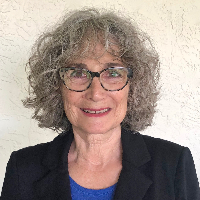
Therese Schmoll
LMFT
California - 30 yrs exp








How coping with life changes therapy works for California residents
When you seek therapy for coping with life changes in California, the process typically begins with an intake conversation that helps a clinician understand what has shifted in your life and how those changes are affecting you. Your therapist will ask about your personal history, current stressors, and the practical impacts on work, relationships, and daily routines. From there you and the therapist will set collaborative goals - these might include rebuilding routine after a big move, managing grief after a loss, regaining confidence after a career disruption, or adjusting to a new family role.
Treatment approaches vary depending on your needs. Many therapists use cognitive behavioral techniques to help you reframe unhelpful thoughts and develop coping strategies. Other clinicians favor acceptance-based approaches to help you tolerate uncertainty and loss, or emotion-focused work to process grief and identity shifts. Some therapists integrate problem-solving and practical planning to address concrete challenges like housing, employment, or family logistics - an approach often useful for Californians navigating high-cost housing markets or frequent relocations.
Licensing and regional considerations in California
Therapists who practice in California are typically licensed by the state, and that licensing helps ensure that clinicians meet established training and ethical standards. If you prefer in-person sessions, many practices operate out of major metropolitan areas such as Los Angeles, San Francisco, and San Diego, but you can also find clinicians who work in suburban and rural communities. Telehealth has become a common way to access care, making it possible to connect with a California-licensed therapist from across the state when travel or scheduling is difficult.
Finding specialized help for coping with life changes in California
Finding a therapist who specializes in life transitions means looking beyond general counseling to clinicians who list experience with the kinds of changes you face. Some therapists highlight work with specific scenarios - for example, helping people adjust after a relocation to a new city, supporting those who are parenting through separation, or assisting professionals who are navigating career pivots. In regions like San Francisco and Silicon Valley, therapists may have particular experience with career and identity shifts tied to the tech industry. In coastal communities and inland regions alike, clinicians often bring cultural competence for the diverse populations they serve, and many offer bilingual services.
You can refine your search by looking for clinicians who mention life transitions, grief work, adjustment disorders, or career transition coaching in their profiles. Community mental health centers, non profit organizations, and university counseling services are additional avenues for finding targeted support if cost or accessibility is a concern. Employee assistance programs and local health plans sometimes provide referrals or short-term therapy options that can help you start work on immediate adjustments while you consider longer-term care.
What to expect from online therapy for coping with life changes
Online therapy has become an established option for many Californians who are juggling busy schedules or who live far from urban centers. When you choose online therapy, expect sessions that look similar to in-person work in terms of structure and therapeutic goals. Sessions commonly last 45 to 60 minutes and are scheduled weekly or every other week to give you time to practice new coping skills between meetings. Therapists may use video calls, phone check-ins, or text-based messaging to maintain continuity between sessions.
Online therapy can be particularly helpful if your life change involves relocation, commuting barriers, or caregiving responsibilities that make regular office visits difficult. It also allows you to continue working with a clinician if you move within the state - for instance, from San Diego to Sacramento - without interrupting momentum. When you begin online therapy, ask about the therapist's technology platform, privacy protections, and what to do if you need in-person care. Good clinicians will explain how they handle emergencies and will offer referrals if your situation requires additional services.
Common signs that someone in California might benefit from coping with life changes therapy
You might be wondering whether what you are experiencing warrants professional help. Common signs that therapy could be beneficial include a persistent sense of being overwhelmed by changes that used to feel manageable, sleep disruptions tied to worry about new responsibilities, or a decline in work or school performance after a major transition. You might find that relationships are strained because you are less patient or more withdrawn, or that day-to-day tasks feel unusually difficult to complete.
Other indicators include difficulty making decisions about important matters - such as whether to accept a job offer in another city, sell a home, or change family arrangements - ongoing sadness or anger that does not lessen with time, and avoidance of situations connected to the change. If you are experiencing physical symptoms like recurring headaches or stomach issues linked to stress, therapy can help you develop coping strategies that address both emotional and behavioral patterns. In any of these scenarios, seeking support early can help you adapt more effectively and reduce the risk of problems compounding.
Tips for choosing the right therapist for this specialty in California
Choosing a therapist is a personal process that balances credentials, approach, and rapport. Start by reviewing clinician profiles to confirm license type and areas of focus. Look for language that indicates experience with life transitions similar to yours - for example, relocation, retirement, divorce, new parenthood, or job loss. Consider practical factors such as whether a therapist offers evening sessions, accepts your health plan, or provides a sliding scale for fees if cost is a concern.
Think about cultural fit and whether you would prefer someone who shares or understands key aspects of your identity, language, or community background. In cities like Los Angeles and San Francisco, you may find therapists with specific cultural competency training or bilingual services that align with California's diverse population. If you are exploring online options, ask about platform features and how the therapist preserves your privacy during digital sessions. It can be helpful to schedule a brief consultation or phone call to get a sense of the therapist's communication style and to ask how they would approach your particular transition.
Trust your instincts during that initial contact. A therapist should be able to explain their approach in terms you understand and should invite questions about timelines, homework between sessions, and measurable goals. If a particular match does not feel right, it is okay to look for someone else - the fit between you and your therapist is often as important as clinical training in producing helpful outcomes.
Next steps as you begin your search in California
As you scroll through the listings on this page, use filters for specialties, location, language, and insurance when available. Consider starting with a short list of clinicians to contact and prepare a few questions about experience with transitions like yours. Whether you live in a major metro area, commute into town, or are located in a smaller California community, there are therapists who work specifically with life changes and who can support you through practical planning, emotional work, and rebuilding routines.
Finding the right therapist can make a meaningful difference in how you adapt to new circumstances. Take your time, ask questions, and reach out when you feel ready - taking that first step is often a powerful move toward greater stability and well-being.