Find a Compulsion Therapist in California
This page lists clinicians in California who focus on compulsion-related concerns, covering both in-person and online care. Visitors can browse profiles to compare therapeutic approaches, areas served, and languages spoken. Review the listings below to find a clinician whose experience and availability match your needs.









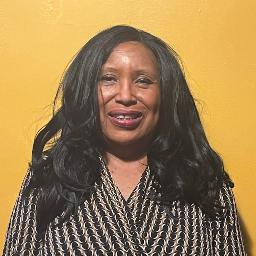


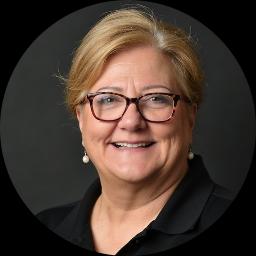
Claudia Smith
LCSW
California - 40 yrs exp








How compulsion therapy works for California residents
Compulsion therapy is tailored to reduce the hold that repetitive behaviors and urges have on daily life. In California, therapists typically begin with an assessment that explores the nature of compulsive behaviors, triggers, frequency, and the ways symptoms interfere with work, relationships, or daily routines. From that assessment, a clinician will work with you to set specific goals and build a treatment plan that fits your lifestyle, whether you live in an urban center like Los Angeles or a smaller coastal community.
Therapeutic approaches commonly used for compulsion include cognitive-behavioral strategies, exposure-based techniques, habit reversal methods, and acceptance-focused practices. These methods focus on changing the learning patterns and reactions that maintain compulsive behavior - for example, practicing new responses to urges or gradually facing avoided situations while learning to tolerate discomfort. Many therapists combine structured skill-building with supportive therapy to address the emotional impact of compulsions and to strengthen coping skills.
Finding specialized help for compulsion in California
When you look for specialty care in California, it helps to prioritize therapists who list compulsion or related concerns as a focus of their work. Licensing matters - clinicians who are licensed in California can provide ongoing care under state regulations and are familiar with local resources and referral networks. You can narrow results by location, language, therapeutic approach, and whether a therapist offers evening or weekend hours to fit your schedule.
If you live in a major metropolitan area, access to specialists is often greater. For example, clinicians in Los Angeles and San Francisco commonly have extensive experience with exposure-based methods and multidisciplinary teams. In San Diego, you may find clinicians who combine intensive outpatient work with community resources. Even if specialized providers are not immediately nearby, many California-licensed therapists offer telehealth, which expands your options without requiring travel.
What to expect from online therapy for compulsion
Online therapy can be a practical option in California, particularly if you have limited local options or need flexible scheduling. Sessions are generally conducted via video calls, though some therapists include phone calls or text-based messaging as part of a care plan. Initial sessions focus on assessment and establishing a working agreement around goals, frequency of sessions, and the types of strategies you will practice between meetings.
During online sessions you can expect to learn and practice skills in the same way you would in person. A therapist may guide you through exposures, coach you while you practice response prevention, or teach habit reversal techniques while you are at home. Because your environment may be the setting for exercises, working remotely can actually be advantageous when the behaviors you want to change occur at home or in your local community. Therapists also discuss privacy measures, emergency planning, and how to handle interruptions so you can focus on therapeutic work during sessions.
Common signs someone in California might benefit from compulsion therapy
You might consider seeking help if repetitive behaviors or urges are time-consuming, cause distress, or interfere with important activities such as work, school, or relationships. Compulsions often follow distressing thoughts or intense urges and are performed to reduce discomfort, even if that relief is temporary. If you notice patterns of avoidance, strained relationships due to rituals, mounting anxiety around performing behaviors, or difficulty reducing actions despite wanting to, therapy can provide practical strategies to regain control.
People often seek treatment when a behavior begins to affect daily functioning - for instance, when getting to work becomes harder because a ritual takes too long, or when social plans are canceled to accommodate compulsive actions. If you feel stuck trying to reduce behaviors on your own, a clinician with experience in compulsion-focused approaches can help you build a step-by-step plan and support you in practicing changes over time.
Tips for choosing the right therapist for this specialty in California
Start by looking for clinicians who explicitly list compulsion, obsessive-compulsive patterns, or related concerns in their profiles. Ask about their training and experience with exposure-based therapies and habit reversal techniques, as these are commonly used for compulsive behaviors. During an initial consultation, inquire how they structure sessions, what homework or between-session practice looks like, and how they measure progress so you know what to expect.
Consider logistical factors that affect ongoing care. Verify that the therapist is licensed to practice in California and confirm whether they accept your insurance or offer a sliding scale if cost is a concern. If you prefer face-to-face appointments, identify clinicians in areas like Los Angeles or San Francisco where clinic availability may be higher. If flexibility is more important, prioritize therapists who offer telehealth and have experience conducting exposures remotely.
Therapeutic fit is central to success. Pay attention to whether you feel heard and whether the clinician’s approach aligns with your preferences - for example, a more structured, skills-based approach versus one that integrates broader emotional processing. Don’t hesitate to ask about cultural competence and experience working with diverse communities across California, including differences in language, values, and family dynamics. A good match can make it easier to stay engaged with treatment when progress feels challenging.
Navigating care across different California settings
The experience of seeking compulsion therapy can vary depending on where you live in California. Urban centers often have a wider array of specialists and multidisciplinary teams, while suburban and rural areas may rely more heavily on telehealth to bridge gaps in availability. If you live in a region with fewer local providers, you can still access specialized care through therapists licensed in California who offer virtual sessions. Likewise, in-person resources such as community mental health centers and university clinics can supplement private practice options.
When you are coordinating care, think about how therapy will fit into your daily life. Consider commute times in places like Los Angeles, access to public transit in San Francisco, or travel between suburban communities. Discuss practicalities with your therapist at the outset - including scheduling, crisis planning, and coordination with other professionals if you are working with a psychiatrist, primary care provider, or support network.
Moving forward with care
Finding the right clinician for compulsion-related concerns is an important first step. Use the listings on this page to compare profiles, read about therapeutic approaches, and reach out for an initial conversation. A short consultation can help you assess fit and gather information about the therapist’s approach, fees, and availability. With a clear plan, collaborative goals, and consistent practice between sessions, many people find that targeted therapy helps them reduce the impact of compulsive behaviors and reclaim time and energy for the parts of life they value.
Whether you are searching in Los Angeles, San Francisco, San Diego, or another California community, take the time to find a clinician whose skills and approach match your needs. Treatment is most effective when you feel supported, understood, and engaged in a plan that respects your values and daily responsibilities. When you are ready, reach out to a clinician through the profiles below to start the conversation.