Find a Compassion Fatigue Therapist in California
This page lists therapists in California who focus on compassion fatigue, including clinicians offering in-person and online services. Browse the listings below to compare clinicians, view specialties, and find care options that fit your needs.


Menachem Stulberger
LMFT
California - 12 yrs exp



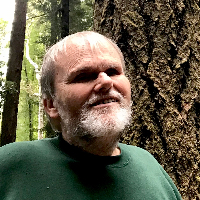


Therese Schmoll
LMFT
California - 30 yrs exp
















Understanding how compassion fatigue therapy can help you
If you work in caregiving, healthcare, emergency response, social services, or any role that involves intense empathy, you may eventually feel drained, overwhelmed, or emotionally numb. Compassion fatigue refers to that gradual decrease in emotional resources that can follow repeated exposure to others' trauma and suffering. Therapy for compassion fatigue helps you rebuild resilience, restore emotional balance, and develop strategies to manage ongoing exposure to stress without making medical claims about cures or guarantees of outcomes.
How therapy typically works
Therapists who specialize in compassion fatigue often combine evidence-informed approaches with practical self-care planning. In early sessions you and your clinician will assess how compassion fatigue shows up in your life - sleep, mood, concentration, relationships, or work performance - and identify immediate coping strategies. Ongoing work tends to focus on strengthening boundaries, processing the emotional impact of repeated exposure to others' pain, and learning skills for emotional regulation. Treatment plans are personalized, so you can expect the pace and emphasis to be tailored to your situation and goals rather than following a strict script.
Setting goals and measuring progress
When you begin therapy, your therapist will likely set measurable goals with you and check in regularly about how you're feeling and functioning. These check-ins help you notice shifts that may be subtle at first - improved rest, fewer intrusive thoughts, or better energy for the people and tasks you care about. Your clinician may also help you create a sustainable routine that supports recovery, such as structured decompression after work, selective exposure to stressors, and ways to replenish your emotional resources outside of work hours.
Finding specialized help in California
California offers a wide range of clinicians with experience in compassion fatigue. In major metropolitan areas such as Los Angeles, San Francisco, and San Diego you will often find practitioners with specialized training who work with healthcare teams, first responders, and nonprofit staff. If you live outside an urban center, telehealth options can expand your access to clinicians with specific expertise. When searching, look for therapists who explicitly mention compassion fatigue, vicarious trauma, or caregiver stress in their profiles, and read client feedback and professional bios to get a sense of their approach.
Local considerations and workplace support
Your workplace or professional association in California may offer employee assistance programs, peer support groups, or mental health benefits that make it easier to start therapy. In cities like Los Angeles and San Francisco you may find workplace-based initiatives that include group debriefings or resilience training for teams. If you are part of a union or a professional network, you can ask colleagues about therapists who understand the culture of your field. A clinician who is familiar with your specific work setting can help you translate strategies into everyday routines that actually fit your schedule.
What to expect from online therapy for compassion fatigue
Online therapy has become a practical option for many Californians who need flexibility. When you choose virtual sessions, you can often schedule appointments outside standard work hours and meet with clinicians who are not limited by geography. Online therapy typically involves video sessions, text-based messaging between appointments, and shared worksheets or exercises. The therapeutic process mirrors in-person work in many ways - assessment, goal-setting, skill building - while adding convenience for those balancing long shifts or irregular schedules.
Practical tips for virtual sessions
To get the most from online therapy, create a consistent space where you can speak openly without interruptions. That might be a quiet room at home, your car between shifts, or another comfortable environment where you feel able to focus. Consider the technology you'll use and test it ahead of your first session to minimize disruptions. If you are in a high-stress job, discuss with your therapist how to handle emergencies or moments of intense distress between sessions so you have a clear plan and know who to contact if you need immediate support.
Signs you might benefit from compassion fatigue therapy
You may notice a range of emotional, cognitive, and physical signs that suggest compassion fatigue is affecting you. Emotionally, you might feel numb, irritable, or unusually detached from people you usually care about. Cognitively, reduced concentration, difficulty making decisions, and intrusive thoughts about work-related incidents can become more common. Physically, you may experience changes in sleep, appetite, or persistent fatigue that do not improve with rest. Socially, you might withdraw from friends or family, or find that your patience is shorter than it used to be. If these patterns are making it harder to function at work or enjoy life outside of work, talking with a therapist who understands compassion fatigue can be a helpful step.
How to choose the right therapist in California
Choosing a therapist who is a good fit involves more than credentials. Start by reading profiles to learn about clinicians' training and their stated focus on compassion fatigue and related areas like vicarious trauma, burnout, or caregiver stress. Consider whether you prefer someone who uses structured skills-based methods such as cognitive-behavioral techniques, or someone who emphasizes narrative processing and emotional integration. You may want a clinician who has experience with professionals in your field - for example, a therapist who has worked with nurses in San Diego or social workers in San Francisco may better understand the specific pressures you face.
Practical considerations when making a choice
Think about logistics like appointment availability, whether a clinician offers evening or weekend sessions, and whether they provide in-person appointments in your city or online meetings that fit your schedule. If cost is a factor, check whether a therapist accepts your insurance or offers a sliding scale. Many clinicians provide a brief introductory call so you can see how you feel talking with them before committing to sessions. Trust your instincts during that first contact - if you feel heard and understood, that is an important sign that the therapeutic relationship could be productive.
Next steps and ongoing care
Beginning therapy for compassion fatigue is a proactive way to protect your well-being and sustain your ability to help others. Once you start, expect the work to involve both short-term coping strategies and longer-term shifts in how you manage stress and boundaries. In densely populated regions like Los Angeles and San Francisco you may have access to specialized group programs or workshops that complement individual therapy, while in smaller communities telehealth can connect you with similar resources. Whatever path you choose, regular check-ins with your therapist will help you adapt your plan as your needs change over time.
Finding the right clinician takes time, but the effort can pay off in clearer thinking, steadier emotional responses, and a renewed sense of purpose in your work. Use the listings above to learn about therapists in California who focus on compassion fatigue, reach out with questions, and schedule an initial visit to explore whether the clinician is the right fit for you.