Find a Chronic Pain Therapist in California
This page features California therapists who specialize in chronic pain management and related coping strategies. Browse the listings below to compare credentials, approaches, and availability across local and online options.



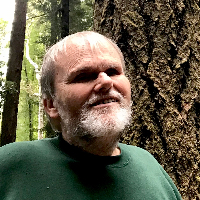









Claudia Smith
LCSW
California - 40 yrs exp











How chronic pain therapy works for California residents
If you are living with long-term pain, therapy often focuses on improving function, coping, and quality of life rather than promising a complete cure. In California, therapists use a range of psychological and behavioral approaches that complement medical care, pain management clinics, and rehabilitation services. You will work with a trained clinician to identify patterns of thought, activity, and emotion that influence how you experience pain, and to develop practical strategies that fit your daily routine and responsibilities.
Therapy tends to be collaborative. Early sessions are typically about assessment - learning your history, typical pain triggers, how pain affects sleep, work, relationships, and mood. Your therapist will use that information to agree on treatment priorities with you. Over time, therapy often shifts toward skill-building and practice so you can apply new strategies when pain flares or when symptoms interfere with your plans.
Typical approaches used in chronic pain therapy
Cognitive-behavioral therapy is widely used to help you reframe unhelpful thoughts and adopt activity patterns that reduce disability. Acceptance-oriented therapies can help when pain is persistent by teaching ways to continue meaningful activity even while symptoms persist. Mindfulness and relaxation practices are often integrated to address stress and sleep problems that can amplify pain. Therapists may also use behavioral activation to rebuild routines and occupational or physical therapy referrals to address movement and conditioning. The exact mix depends on your goals and the therapist’s specialties.
Working with medical and rehabilitation teams
Because chronic pain often involves multiple providers, you may find it useful to coordinate care. Many California therapists are comfortable communicating with physicians, physical therapists, and pain clinics when you give consent. In cities such as Los Angeles and San Francisco you will find multidisciplinary programs that include medical, physical, and behavioral specialists working together. Even if you are not in a major metro area, therapists can help you navigate referrals, clarify treatment options, and support you in following through with medical recommendations.
Finding specialized help for chronic pain in California
When you begin your search, look for therapists who list chronic pain, pain management, or related approaches on their profiles. In California, common professional credentials you will encounter include licensed clinical social workers, licensed marriage and family therapists, licensed professional clinical counselors, and licensed psychologists. Many clinicians note additional training in pain-focused therapies, trauma-informed care, or rehabilitation psychology. You can also refine your search by location - for example, you may prefer someone who works near San Diego, San Jose, or Sacramento for in-person sessions, or someone who offers statewide online appointments.
Consider practical criteria as well. Check whether a therapist offers evening or weekend slots if you work during the day. Ask about the typical length of sessions and whether they use short-term focused models or longer-term therapy. Some clinicians offer integrated care planning with medical teams, while others focus primarily on psychological strategies. Gathering that information before your first appointment helps you find a match that fits your needs and schedule.
What to expect from online therapy for chronic pain
Online therapy has become a well-established option in California, allowing you to connect with specialists who might not be local. If you choose remote sessions, expect an initial intake that covers your pain history, current treatments, and goals. Therapists will adapt interventions to the virtual format - for example, guiding relaxation exercises over video, using activity scheduling tools, or sharing worksheets by email. You will still practice techniques between sessions, and many people appreciate the convenience of meeting from home.
Keep in mind that some techniques - such as supervised movement or hands-on interventions - require coordination with an in-person provider. In areas like Los Angeles or San Diego where in-person resources are plentiful, you might combine online psychological work with local physical therapy. If you travel across time zones or move within the state, discuss continuity of care and licensure with your therapist so you know how they can support you long term.
Common signs that you might benefit from chronic pain therapy
You might consider therapy if pain is affecting your ability to work, sleep, or engage in relationships, or if cycles of worry and avoidance have developed around activities you used to enjoy. If you notice increasing isolation, mood changes, or difficulty managing medication routines, therapy can provide skills and a plan for coping. You may also find therapy helpful when pain limits your participation in rehabilitation programs, because behavioral strategies can support adherence and gradual activity building. Many people seek help when pain flare-ups lead to escalating stress or when symptoms interfere with parenting or caregiving responsibilities.
Therapy is not limited to a particular diagnosis - it is for anyone seeking tools to reduce the disruption pain causes in daily life. If you find that pain-related thoughts or habits are shaping important choices, or if physical symptoms are tightly linked to sleep, mood, and energy, a clinician trained in chronic pain can help you sort out priorities and take practical steps forward.
Tips for choosing the right therapist in California
Start by clarifying your own goals - whether you want to focus on improving daily function, reducing emotional distress, returning to work, or learning pain management skills. Use those goals to guide conversations with potential therapists. Ask about their experience treating chronic pain, the approaches they commonly use, how they measure progress, and whether they coordinate care with medical providers. In metropolitan areas like San Francisco or Los Angeles you may have more options for specialists in pain psychology, while smaller communities may require a blended approach from generalists with relevant training.
Insurance coverage and payment options are practical considerations. Many therapists in California accept private insurance, offer sliding scale fees, or provide package rates for a set number of sessions. If you rely on Medicare or a specific plan, check network participation in advance. You should also feel comfortable asking how a therapist structures treatment - for example, whether they offer brief skills-focused plans or open-ended therapy - and how they handle crisis situations.
Trust your first impressions. The right therapist for you will listen to your priorities, explain their approach in understandable terms, and work with you to set achievable goals. It is normal to try a few providers before finding the best fit, and a brief initial consultation can help you decide whether to proceed.
Finding local resources and next steps
California offers a diverse range of services, from community clinics to specialty pain programs in academic medical centers. If you live near San Diego, San Jose, Sacramento, or other urban centers, you may find multidisciplinary teams and support groups. If you are in a rural area, online therapy can broaden your options and connect you with clinicians who specialize in chronic pain. As you explore listings on this page, consider scheduling an introductory appointment to discuss your goals, ask about the therapist's approach, and confirm practical details like session frequency and expected length of care.
Living with chronic pain can feel isolating, but many people find meaningful improvements by combining psychological strategies with medical and rehabilitative care. By choosing a therapist who understands pain and who fits your needs and lifestyle, you can build a plan to improve daily functioning and regain activities that matter to you. Take the next step by reviewing profiles below and reaching out to a clinician who seems like a good match for your goals.