Find a Black Therapist in California
Explore clinicians who identify as Black Therapist specialists and work with clients throughout California, from Los Angeles to San Francisco and San Diego. Browse the therapist profiles below to compare approaches, availability, and areas of focus, then reach out to practitioners who feel like a good fit.

Marlo Lewis
LCSW
California - 8 yrs exp





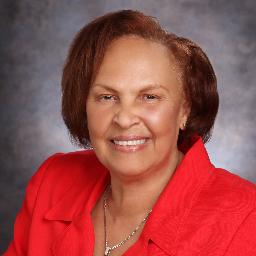

Dr. Malliga Battar
LMFT
California - 20 yrs exp








How Black Therapist care often works for California residents
If you are searching for a Black therapist in California, you are likely looking for a clinician who brings cultural understanding and lived experience to therapeutic work. In many practices that center race and culture, therapists blend mainstream therapeutic methods with attention to identity, racial stress, community histories, and intergenerational dynamics. Sessions may include talk therapy, skills training, narrative work, and culturally informed interventions adapted to your needs. Whether you meet in person in a neighborhood office or through video sessions, the goal is usually to build a collaborative relationship where your experiences, values, and cultural background are part of the conversation.
Finding specialized help for Black Therapist in California
When you look for a specialist in this area, consider both professional credentials and cultural fit. California requires licenses for clinical practice that vary by discipline, so look for therapists who list their state licensure and professional training. Many therapists will describe the communities they work with and the cultural frameworks they use. You can narrow searches by location if in-person visits matter - for example, Los Angeles offers a wide range of clinicians in different neighborhoods, San Francisco has clinics and private practices familiar with urban diversity, and San Diego provides options near coastal communities. If you live inland near San Jose or Sacramento, you can also find practitioners who combine local community knowledge with broader cultural competence.
Why cultural alignment matters
Cultural alignment can influence how you experience therapy. When your therapist understands cultural references, historical context, and how racial stress can affect daily life, they may be better able to recognize subtle dynamics that contribute to distress. This does not mean every therapist must share your background to be effective, but many people find it helpful to work with someone who reflects or deeply understands their cultural world. You can look for therapists who explicitly list experience with racial identity, systemic stress, or community-specific issues in their profiles.
What to expect from online therapy for Black Therapist
Online therapy expands access across California, letting you connect with clinicians who practice near urban centers like Los Angeles, San Francisco, and San Diego without the constraints of travel. In a virtual session, you can expect a similar structure to in-person work - a conversation about goals, regular sessions of 45 to 60 minutes, collaborative planning, and homework or practices between sessions when relevant. You should receive clear information about appointment logistics, fees, cancellation policies, and how records are handled. If you prefer in-person meetings, many therapists offer hybrid options so you can combine video sessions with occasional office visits.
Technology and comfort
Most therapists use secure video tools and will provide guidance for connecting to sessions. You should choose a quiet location at home or another private space where you feel comfortable speaking freely. If you are connecting from a shared household, talk with your clinician about strategies to protect your conversation time. Some people find that online work allows them to access clinicians whose cultural expertise is rare in their immediate area, which can be especially valuable if you are outside large metropolitan areas.
Common signs you might benefit from Black Therapist care
You might consider seeking a Black therapist if you are dealing with persistent stress that relates to racial experiences, identity questions, or cultural conflict, or if you feel misunderstood by clinicians who have not engaged with cultural aspects of your life. Difficulties with anxiety, low mood, relationship strain, grief, parenting under cultural pressures, or repeated workplace stressors that involve microaggressions are all experiences people bring to therapy. You may also find therapy helpful if you are exploring personal identity, healing from generational trauma, or navigating life transitions where cultural expectations play a role. Therapy can be a space to process emotions, develop coping strategies, and build resilience without implying that anything is wrong with you for having these reactions.
Tips for choosing the right therapist for this specialty in California
Start by clarifying what matters most to you. Are you looking for someone who shares your racial identity, or would you prefer a clinician who has a long track record working with Black clients? Do you want a therapist who integrates community and cultural practices into therapy, or someone who focuses primarily on evidence-based techniques? Once you know your priorities, read profiles and clinician statements carefully. Look for descriptions of training, areas of focus, therapeutic approach, and any mention of work with race-related stress, racial trauma, or identity exploration.
Next, consider logistics. Check whether the therapist is licensed in California and whether they offer in-person appointments near cities like Los Angeles, San Francisco, San Diego, or remote sessions that cover the entire state. Ask about fees, sliding scale availability, and whether they accept your insurance if that is important. Some therapists list availability for evenings or weekends, which can matter if you have work or family commitments.
Questions to ask during an initial contact
When you reach out for an initial conversation, you might ask about their experience working with Black clients, how they approach conversations about race and culture, and what typical goals look like in the first few months. You can also ask how they measure progress and what to expect in terms of session frequency. It is appropriate to ask how they handle clinical emergencies and what their referral options are if your needs change. The brief intake or phone call is an opportunity to sense whether their communication style and values align with yours.
Trusting your response
Choosing a therapist is a personal decision. Pay attention to how you feel after an initial meeting. Do you feel heard and respected? Does the clinician demonstrate curiosity about your background and priorities? It is common to try more than one therapist before finding the right match. If a clinician does not feel like the right fit, you can politely end that relationship and continue searching. In cities like Los Angeles and San Francisco, you may have many nearby options, while in smaller California communities you might rely more on telehealth to find the right cultural fit.
Moving forward
Finding a Black therapist in California can be an important step toward addressing the specific cultural and racial dimensions of your well-being. Whether you live in a dense urban center or a suburban community, take the time to read profiles, ask the questions that matter to you, and choose a clinician whose approach aligns with your goals. Therapy can be a place to explore identity, heal from hurt, and develop practical tools for daily life. Use the listings above to start conversations with clinicians in Los Angeles, San Francisco, San Diego, San Jose, Sacramento and beyond, and choose the path that feels right for you.