Find an Avoidant Personality Therapist in California
This page highlights therapists in California who focus on avoidant personality concerns. Use the directory grid below to review profiles, specialties, and availability from clinicians across the state. Browse listings to find a therapist whose approach and location fit your needs.








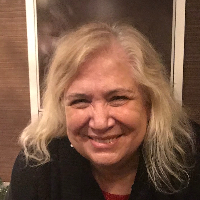
Claudia Smith
LCSW
California - 40 yrs exp










How avoidant personality therapy works for California residents
If you are exploring therapy for avoidant personality patterns, you should know that the work typically blends skill-building with deeper exploration of patterns that affect relationships and self-image. Therapy often begins with an assessment of how avoidance shows up in your daily life - whether in social settings, at work, or in close relationships. From there, you and a clinician create goals that match your comfort level and readiness for change. Sessions commonly combine supportive conversation with practical exercises that help you practice connection, manage anxiety around evaluation, and build self-compassion.
In California, many clinicians offer flexible models to suit different schedules and needs. You may meet with a licensed counselor through one-on-one sessions, join a small therapy group focused on social skills, or pair individual therapy with workshops and community-based supports. If you live in an urban area like Los Angeles or San Francisco you may find specialized groups and clinicians with particular experience in avoidant presentations. In smaller communities across the state, clinicians often coordinate care with nearby mental health resources to support your progress.
Common therapeutic approaches
Therapists who work with avoidant traits draw from several established approaches. Cognitive behavioral methods can help you recognize and shift unhelpful thinking that reinforces withdrawal. Interpersonal approaches focus on improving how you relate to others and on practicing vulnerability in manageable steps. Schema-informed approaches explore long-standing patterns developed in early life that shape expectations about rejection and acceptance. Some clinicians also use exposure-based exercises to help you gradually face anxiety-provoking social situations while building confidence. You can ask potential therapists which methods they use and how they tailor them to your needs.
What therapy sessions typically look like
In early sessions you can expect to talk about the situations where avoidance is most noticeable and to set collaborative goals. Your therapist will likely offer small, measurable steps you can try between sessions - for example reaching out to someone for a short conversation, practicing a role-play of a meeting, or attending a low-stakes social event. The pace is usually set to honor your comfort while still creating opportunities for growth. Over time you will track progress and adjust the plan as you become more confident in connecting with others and managing critical self-talk.
Finding specialized help for avoidant personality in California
When searching in California, start by looking for clinicians who indicate experience with personality-related concerns or who list specific training in approaches you find appealing. California-licensed clinicians may hold credentials such as Licensed Clinical Social Worker, Licensed Marriage and Family Therapist, Licensed Professional Clinical Counselor, or psychologist. Licensing ensures they meet state practice standards and remain accountable to professional boards. Many therapists include short biographies that describe their training, populations they serve, and typical session structure - reading these profiles can help you narrow choices before reaching out.
Consider practical factors like location and scheduling. If you live in Los Angeles you may prioritize commute time and evening availability, while in San Diego you might value proximity to community resources or bilingual services. In San Francisco and San Jose clinicians often offer evening or weekend appointments to accommodate tech and service industry schedules. If you live in Sacramento or other regions, you may find fewer specialists nearby and benefit from telehealth options to access clinicians with specific expertise.
Credentials, experience and cultural fit
Experience with avoidant patterns matters, but so does cultural fit. You should feel comfortable discussing how cultural background, identity, and life context influence your relationships. Many therapists in California offer culturally responsive care and speak multiple languages. Asking how a clinician incorporates cultural considerations into therapy can help you assess whether they will understand your experience. It is also reasonable to ask about their experience with clients who have similar concerns or life situations to your own.
What to expect from online therapy for avoidant personality
Online therapy can be a practical option if you prefer to meet from home, have limited local options, or want to connect with a specialist who is not in your immediate area. Sessions usually occur by video or phone and follow the same therapeutic structure as in-person work - assessment, goal-setting, and skills practice. For many people, beginning therapy online feels less intimidating and can make the first steps easier, because you are in a familiar environment when discussing sensitive topics.
When choosing online care, check that the therapist is licensed to practice in California and that they explain how they handle scheduling, cancellations, and emergency planning. Ask about the measures they use to protect client privacy and how they will coordinate with local resources if an in-person referral or crisis support becomes necessary. If you live in a major city - for example Los Angeles, San Francisco, or San Diego - you may combine online sessions with occasional in-person meetings or local group offerings when those feel helpful.
Signs you might benefit from avoidant personality therapy
You might consider therapy if you notice persistent avoidance of social situations because of fear of criticism, if you struggle to form close relationships despite wanting connection, or if a pattern of withdrawing from new opportunities limits your work or personal life. You may find yourself over-preparing for interactions to prevent embarrassment, consistently turning down invitations, or feeling overwhelmed by self-critical thoughts after routine social exchanges. These experiences can be distressing and isolating, and therapy is a space to explore them without judgment while developing practical ways to engage with the world.
People often seek therapy after reaching a life transition - moving to a new city, starting a new job, or ending a relationship - when avoidance becomes more noticeable or interferes with goals. If you are thinking about therapy because of recurring loneliness or a desire to participate more fully in relationships, a clinician experienced with avoidant patterns can help you set realistic steps toward meaningful change.
Tips for choosing the right therapist in California
Start by identifying what matters most to you - clinical approach, availability, cost, location, or cultural background. Use initial phone or video consultations to get a sense of how the therapist listens and whether their proposed approach feels like a good fit. Ask about their experience with avoidant patterns and what a typical course of work looks like. Discuss practical details such as fees, insurance participation, sliding scale options, and session length so you can plan sustainably.
If you need specialty services, inquire about group therapy or social skills workshops that many clinicians offer in larger areas like Los Angeles and San Francisco. Group formats can provide a supported environment to practice social engagement and receive feedback from peers. If you prefer one-on-one work, ask how the therapist structures exposure exercises and whether they include at-home practice assignments that align with your daily life.
When to try a new therapist
Therapy is a personal relationship and it is normal to try a few clinicians before finding the right match. If you feel consistently misunderstood, uneasy about the methods being used, or if progress stalls despite clear effort, it is reasonable to explore other clinicians. A good therapist will welcome questions about fit and may offer referrals to colleagues if their approach is not the best match for your needs.
Finding effective help for avoidant personality patterns in California involves combining practical considerations with personal preferences. Whether you live in a bustling neighborhood of Los Angeles, near the tech centers of San Francisco or San Jose, along San Diego's coast, or in Sacramento and surrounding communities, there are clinicians who focus on this work. Taking the time to review profiles, ask focused questions, and try an initial consultation can make a meaningful difference in choosing care that supports your goals for connection and well-being.