Find a Women's Issues Therapist in Arkansas
This page highlights therapists across Arkansas who focus on women's issues, including reproductive concerns, relationship struggles, and life-stage transitions. Browse the listings below to compare specialties, locations, and availability and find a clinician that matches your needs.

Morganne Brown
LCSW
Arkansas - 8 yrs exp









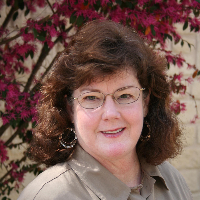





Michelle McHugh
LICSW, LCSW
Arkansas - 23 yrs exp








How women's issues therapy works for Arkansas residents
When you pursue therapy for women's issues in Arkansas, the process typically begins with an intake conversation where a clinician learns about your history, current concerns, and goals. That initial session is an opportunity to describe the specific challenges you are facing - whether those relate to reproductive health, parenting transitions, relationship stress, body image, or the emotional effects of hormonal changes. From there, the therapist will outline a general approach and collaboratively set goals with you. Therapy often combines talk-based strategies with coping skills and behavioral suggestions tailored to your life, and it may include referrals to medical or community resources when needed.
Access to services in Arkansas can vary by region. Urban areas such as Little Rock, Fayetteville, Fort Smith, and Springdale often have a wider range of specialists and clinic options, while more rural parts of the state may rely on teletherapy or regional clinics. Many therapists offer both in-person and online appointments to accommodate work schedules, caregiving responsibilities, and travel distances. Understanding how a therapist structures sessions, what they prioritize, and how they coordinate care with other providers can help you make a confident choice.
Finding specialized help for women's issues in Arkansas
Finding a clinician who understands the unique aspects of women's health and life-stage issues starts with identifying the particular areas where you want support. Some therapists concentrate on perinatal mental health and postpartum adjustments, others focus on fertility challenges, menopause-related changes, or recovery from trauma that intersects with gendered experiences. You can use professional directories and clinic websites to review therapist profiles, read about their specialties, and check credentials. Licensing titles such as licensed professional counselor, licensed clinical social worker, or psychologist indicate formal training and oversight. If you live near larger centers like Little Rock or Fayetteville, you may find clinicians with additional certifications in perinatal mental health, trauma-informed care, or couples counseling.
Practical considerations matter when choosing a specialist. Check whether a therapist accepts your insurance, offers a sliding scale, or provides single-session consultations. If transportation or time is a barrier, prioritize clinicians who offer online sessions. When you're seeking help for a sensitive concern - for example reproductive decisions, pregnancy loss, or intimate partner violence - you may also want to ask about a therapist's experience working with people who share similar backgrounds or identities to yours. Therapists who practice with cultural humility and familiarity with regional resources can be especially helpful for navigating both emotional needs and local systems of care.
What to expect from online therapy for women's issues
Online therapy has become a practical option for many people in Arkansas who need flexibility or live outside major cities. If you choose teletherapy, expect an initial check-in where the therapist explains how sessions will be conducted and what to do in case you need urgent help between appointments. Online sessions often follow the same therapeutic frame as in-person work - a regular schedule, goal-setting, and mutually agreed-upon interventions - but you may find it easier to maintain continuity when you have a busy schedule or live in a rural county.
Before starting remote sessions, you should consider where you will attend them from so you can be comfortable and minimize interruptions. A therapist may offer guidance on technology, such as which video platforms are used and how to manage brief technical issues. Because licensing rules require clinicians to be authorized to practice in the state where you are located, be sure to confirm that any therapist you consider is licensed to provide services in Arkansas. This ensures that you are working with a professional whose practice aligns with state standards and guidelines.
Common signs that you might benefit from women's issues therapy
You might consider seeking help if you notice persistent patterns that interfere with your daily functioning or relationships. This can include prolonged anxiety or low mood related to reproductive events, difficulty bonding or coping after childbirth, intense distress around fertility challenges, ongoing conflict with a partner that affects your wellbeing, or struggles with body image and eating that impact your health. You may also find therapy helpful if life-stage transitions - such as becoming a parent, navigating menopause, or caring for aging relatives - leave you feeling overwhelmed, isolated, or uncertain about the future. Emotional responses to intimate partner concerns, trauma, or grief are also common reasons people turn to specialists who focus on women's issues.
Pay attention to how symptoms affect your work, relationships, and motivation. If you find yourself withdrawing from activities you once enjoyed, having trouble sleeping, or using substances to cope, these can be additional signals that support from a skilled clinician could be beneficial. Reaching out earlier can make it easier to address patterns before they become more entrenched, and a therapist can help you identify practical steps and coping strategies tailored to your circumstances.
Tips for choosing the right therapist in Arkansas
Start by clarifying what you want from therapy and which areas feel most urgent. When you review therapist profiles, look for descriptions that mention experience with the concerns you described. Consider scheduling a brief phone or video consult to get a sense of whether the clinician's approach, communication style, and availability feel like a good match. Ask about their experience with women's issues similar to yours, what therapeutic methods they typically use, and how they measure progress.
Practical factors such as appointment times, fees, insurance acceptance, and whether they offer online sessions will also influence your decision. If geography matters, you may prioritize providers in Little Rock or Fayetteville for easier in-person visits, or choose a clinician near Fort Smith if that is closer to your home. If you prefer evening or weekend hours because of work or caregiving, check whether those options are available. Trust your instincts about personal fit - a strong therapeutic relationship often makes the difference in how comfortable you feel discussing sensitive topics.
Finally, remember that it's acceptable to try a few therapists before settling on one. Therapy is a collaborative process and switching to a different clinician can be a reasonable step if you do not feel understood or supported. Many therapists will help facilitate a smooth transition by providing referrals to colleagues in the region who have relevant expertise.
Connecting with local resources and next steps
In Arkansas, community health centers, university counseling services, and nonprofit organizations can offer complementary resources alongside individual therapy. Support groups, educational workshops, and peer-led programs may be available in larger towns and cities, and therapists can often point you toward local options in Little Rock, Fayetteville, or surrounding counties. If you are juggling childcare, work, or transportation, online therapy can expand your choices and make it easier to sustain regular appointments.
When you are ready, use the listings above to review clinician profiles, read about specialties, and reach out to schedule an initial consultation. Taking the first step can feel daunting, but finding a therapist who understands women's issues and the context of living in Arkansas can provide focused support as you work toward the changes you want in your life.