Find a Trauma-Focused Therapy Therapist in Arkansas
Trauma-Focused Therapy is an approach that helps people process and recover from the emotional aftereffects of traumatic events. You can find licensed practitioners across Arkansas who specialize in trauma-informed care. Browse the listings below to compare clinicians, specialties, and locations.

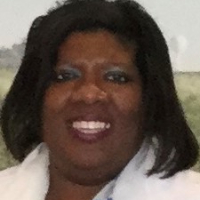
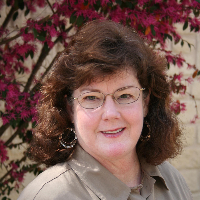
Morganne Brown
LCSW
Arkansas - 8 yrs exp
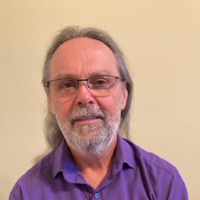







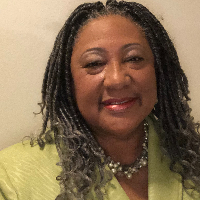

Michelle McHugh
LICSW, LCSW
Arkansas - 23 yrs exp








What Trauma-Focused Therapy Is
Trauma-Focused Therapy describes a set of therapeutic approaches centered on helping people who have experienced distressing or overwhelming events. The work focuses on understanding how trauma has affected your thinking, feelings, body sensations, relationships, and daily functioning. Therapists trained in trauma-focused methods aim to create a steady, paced process in which you learn skills to manage intense emotions, make sense of traumatic memories, and build strategies to move forward.
Principles Behind the Approach
The practice is guided by principles that emphasize safety, stabilization, and collaboration. First, your therapist will prioritize creating a safe setting and establishing trust so you can explore difficult material at a pace that feels manageable. Next, you will often learn grounding and emotion-regulation skills to reduce distress between sessions. Finally, processing is done thoughtfully, using evidence-informed techniques that match your needs. The goal is not to erase memories but to reduce their power to disrupt your daily life and relationships.
How Therapists in Arkansas Use Trauma-Focused Therapy
Therapists in Arkansas apply trauma-focused methods in a range of settings, from community health centers to independent practices and mental health clinics affiliated with hospitals and universities. In urban centers like Little Rock, Fort Smith, and Fayetteville you may find clinicians with specialized training who work with specific populations such as veterans, adolescents, first responders, or survivors of interpersonal violence. In rural areas therapists often combine trauma-focused interventions with broader behavioral health services, integrating case management, family support, and connections to community resources.
Training and approach vary by clinician. Some use structured protocols developed for particular age groups, while others adapt techniques to fit a client’s cultural background, life stage, and personal strengths. When you search listings, you might see clinicians who emphasize play-based methods for children, narrative approaches for adults, or somatic work that attends to body-based responses to trauma. The best match depends on your needs and preferences rather than a single correct method.
What Trauma-Focused Therapy Is Commonly Used For
You might seek trauma-focused care for many kinds of experiences. People often pursue this therapy after events such as accidents, assaults, natural disasters, medical crises, sudden loss, or prolonged exposure to stressful situations. Some come because they notice ongoing symptoms like intrusive memories, sleep disruption, avoidance of reminders, heightened startle responses, or difficulties with mood and relationships. Trauma-focused work is also helpful when past experiences shape current patterns in parenting, work, or intimacy. Therapists tailor the focus depending on whether the trauma is a single event or repeated exposures over time.
What a Typical Trauma-Focused Therapy Session Looks Like Online
If you opt for remote sessions, a typical online appointment will begin with a brief check-in about how you’ve been coping since your last meeting. Your therapist may ask about sleep, mood, and any skills you have practiced. Sessions commonly include a combination of skill-building, breathing or grounding exercises, and focused processing of memories or reactions. During processing, your therapist will guide you at a pace you can tolerate, using questions, narrative work, or structured techniques that help you reframe and integrate the experience.
Online sessions require a thoughtful setup. You will be encouraged to find a quiet, comfortable room where you can talk without interruptions and to have a plan for what to do if you become very distressed between sessions. Therapists often agree on an emergency plan at the start of remote work and will review logistics such as how to reconnect if a call drops. Technology and a calm setting can make remote therapy a practical option for people across Arkansas, particularly when travel or scheduling is a barrier.
Who Is a Good Candidate for Trauma-Focused Therapy
Trauma-Focused Therapy can benefit people across the lifespan who feel that past events continue to affect their present wellbeing. You may be a good candidate if you find yourself reacting strongly to reminders, have difficulties in relationships related to trust or intimacy, or notice persistent patterns of avoidance or hypervigilance. The approach can also support those who want to process grief or rebuild life after a stressful experience. Some people come with specific goals, such as reducing nightmares, improving emotional regulation, or restoring a sense of safety.
It is important to note that readiness varies. If you are in immediate crisis or at risk of harm, a therapist will help you access appropriate care and supports before engaging in deeper trauma processing. A good clinician will assess where you are emotionally, collaborate with you on goals, and adjust the pace so you feel contained and supported through the work.
How to Find the Right Trauma-Focused Therapist in Arkansas
Finding the right therapist involves a combination of practical considerations and personal fit. Start by looking for clinicians who list trauma-focused training and experience in working with issues similar to yours. Pay attention to whether they work with your age group, family situation, or cultural background. If you prefer in-person visits, search for providers near cities like Little Rock, Fort Smith, Fayetteville, or in community clinics closer to home. If remote work fits your schedule better, look for therapists who offer telehealth and describe how they handle online sessions.
When you contact a therapist, use the initial conversation to ask about their approach to trauma, how they structure sessions, and what kinds of outcomes previous clients have reported. Discuss practical matters such as session length, fees, insurance options, sliding-scale availability, and cancellation policies. Consider whether the clinician communicates in a way that feels respectful and clear. Trust your impressions about whether you feel heard and whether the proposed plan aligns with your goals.
Local resources can also help you identify options. Community mental health centers, university training clinics, and organizations focused on specific populations often maintain referral lists. You may find therapists who specialize in child and adolescent trauma in school-based programs or clinicians who work with adults in community wellness centers. If language, cultural perspective, or faith-based considerations are important, search for providers who highlight that expertise in their profiles.
Practical Tips for Starting Therapy in Arkansas
Before your first visit, think through your goals and any logistical needs such as childcare or time off work. Prepare questions about the therapist’s experience with trauma-related issues and their expectations for homework or between-session practice. If you will see someone online, test your device and internet connection in advance and choose a comfortable, interruption-free spot. If you prefer an in-person meeting, check office location and parking or public transit options, particularly if you are traveling from surrounding communities into Little Rock, Fort Smith, or Fayetteville.
Keep in mind that finding the right match can take time. It is reasonable to try a few clinicians before committing to ongoing work. A thoughtful therapist will welcome questions, offer a clear treatment plan, and collaborate with you on goals and timing. The listings on this site are a starting point to explore clinicians who specialize in trauma-focused care across Arkansas.
Trauma-focused therapy is a process that centers your safety, choices, and resilience. Whether you are seeking brief support for a specific event or more extended work to address longstanding impacts, taking the step to find a trained clinician in your area can help you move toward greater stability and well-being. Use the profiles and filters in the listings to identify providers who match your needs and reach out to begin a conversation about what the work would look like for you.