Find a Dialectical Behavior Therapy (DBT) Therapist in Arkansas
Dialectical Behavior Therapy (DBT) is a skills-based approach that emphasizes emotion regulation, mindfulness, distress tolerance, and interpersonal effectiveness. Practitioners offering DBT-informed care are available throughout Arkansas. Browse the listings below to find a therapist whose training and approach match your needs.

Morganne Brown
LCSW
Arkansas - 8 yrs exp

Catherine Towne-Coleman
LPC
Arkansas - 41 yrs exp





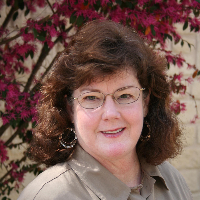





Glenna Rodgers
LPC
Arkansas - 27 yrs exp











What Dialectical Behavior Therapy (DBT) Is and the Principles Behind It
Dialectical Behavior Therapy is an organized, skills-focused approach that blends acceptance strategies with change-oriented techniques. Developed from cognitive-behavioral foundations, DBT centers on helping people better understand and manage intense emotions, reduce impulsive behaviors, and improve relationships. The therapy emphasizes four core skill areas - mindfulness, distress tolerance, emotion regulation, and interpersonal effectiveness - and encourages learning and practicing these skills in real life.
At its heart, DBT rests on a dialectical assumption - that two seemingly opposite truths can both be valid. Therapists balance acceptance of your current experience with encouragement to build new habits that reduce suffering and improve functioning. That balance is expressed through structured sessions, skills coaching, and a focus on concrete tools you can use between appointments.
How DBT Is Used by Therapists in Arkansas
Therapists in Arkansas adapt DBT to fit a variety of clinical settings and client needs. In larger cities such as Little Rock and Fayetteville, you may find clinics and practices offering full DBT programs that include individual therapy, weekly skills groups, and phone coaching. In smaller communities, clinicians often integrate DBT skills into individual therapy or run time-limited skills workshops to make the approach more accessible.
Many Arkansas therapists offer DBT through both in-person and online sessions. Online delivery can expand access if you live outside urban centers or have scheduling constraints. Providers in Fort Smith, Springdale, and surrounding areas may combine telehealth appointments with occasional in-person meetings for assessments or group sessions, depending on local resources and client preference. Across the state, clinicians vary in how closely they follow a manualized DBT model, so it helps to ask about training and program structure when you review a therapist profile.
What Issues DBT Is Commonly Used For
DBT is commonly used to help people who struggle with intense emotions, frequent mood swings, impulsive actions, and challenges in relationships. Clinicians often recommend DBT for people who have experienced patterns of self-harm or who feel overwhelmed by distressing feelings, though therapists also apply DBT skills to address problems with substance misuse, disordered eating, trauma-related difficulties, and chronic interpersonal stress. Because DBT is skills-based and structured, it can be helpful when you want clear techniques for managing moments of crisis as well as strategies to build stability over time.
While DBT has roots in work with adults, the approach has been adapted for adolescents, couples, and group formats, so you may encounter therapists who specialize in working with teens, parents, or specific populations. If you live in Arkansas and are seeking targeted help for mood instability, intense reactions, or relationship patterns that keep repeating, DBT may be one of the approaches your therapist recommends exploring.
What a Typical DBT Session Looks Like Online
If you choose online DBT sessions, you will likely find a predictable, structured format. An individual session commonly lasts 45 to 60 minutes and focuses on reviewing how the past week went, checking in on safety and any urgent concerns, and working on specific skills or problem-solving strategies. Your therapist may ask you to complete a brief diary card or symptom check-in that helps track patterns and prioritize what to address during the session.
Online skills training groups are often led by one or two clinicians and meet weekly. These groups teach the DBT skill modules through instruction, role play, and discussion, and they encourage practicing new behaviors between meetings. Some therapists provide brief between-session coaching by phone or messaging when you need help applying a skill in a real-life moment. If this option is available, ask how the therapist manages availability and boundaries so you know what to expect.
Sessions delivered remotely rely on a stable internet connection and a setting where you feel comfortable talking. Many people choose a quiet room at home, a parked car before or after work, or another location that feels like a safe setting for emotional work. If you prefer meeting in person, look for providers near major hubs such as Little Rock or Fort Smith or in university towns like Fayetteville where a wider range of services may be offered.
Who Is a Good Candidate for DBT
DBT can be a good fit if you are motivated to learn skills, willing to practice them between sessions, and looking for structured guidance to manage strong emotions and interpersonal challenges. You do not need a particular diagnosis to benefit from DBT skills. What matters more is whether the focus on emotion regulation, distress tolerance, and mindful awareness aligns with the difficulties you want to address.
People who are in crisis or experiencing imminent risk should seek immediate support from local emergency resources or crisis services in Arkansas. For non-urgent concerns, DBT is often recommended when you have found other approaches less helpful or when repetitive patterns keep leading to conflict, impulsive actions, or self-destructive behaviors. Therapists in Arkansas will typically assess readiness, safety, and goals before starting a DBT program and will tailor the approach to fit your circumstances.
How to Find the Right DBT Therapist in Arkansas
Finding the right therapist starts with what matters most to you. Begin by looking at profiles to identify clinicians who list DBT training, experience with the issues you are facing, and a format that fits your schedule. If proximity matters, narrow searches to Little Rock, Fort Smith, Fayetteville, or your nearest town. If you prefer telehealth, look for therapists who explicitly offer online DBT sessions or blended care models.
When you contact a prospective therapist, ask about their DBT training, whether they follow a manualized program, and how they structure individual and group work. You may want to know how they track progress, whether they offer coaching between sessions, and how long typical treatment lasts. It is also reasonable to inquire about fees, insurance or payment options, and availability for evening or weekend appointments if you have a busy schedule.
Consider the therapist's style and whether you feel heard and respected in an initial consultation. DBT is a collaborative and sometimes challenging process that asks for commitment to learning new behaviors over time. Choosing someone who communicates clearly, explains the rationale for skills, and sets predictable expectations can make the work more effective. If you are seeking care for a teen or young adult, ask whether the clinician has experience with family involvement and developmentally tailored approaches.
Moving Forward in Arkansas
As you explore DBT options in Arkansas, allow yourself time to compare profiles, ask questions, and schedule initial consultations. Cities like Little Rock and Fayetteville often offer a wider range of program formats and group options, while providers in smaller communities may offer flexible telehealth schedules or focused skills workshops. Wherever you live, you can find clinicians who emphasize practical tools, measurable goals, and skills practice that fit your life.
Using the therapist listings on this site can help you compare training, approaches, and availability across the state. When you are ready, reach out to a therapist to learn how they would tailor DBT to your needs and to arrange a time to begin working on skills that can change how you cope with emotion and relationships. Taking that first step is an important part of building more stability and a greater sense of control in everyday life.