Find a Therapist of Color Therapist in Arkansas
This page highlights clinicians in Arkansas who identify as therapists of color and who focus on culturally informed care. Browse the listings below to compare profiles and find a therapist who fits your needs in Little Rock, Fayetteville, Fort Smith, Springdale, or other areas of the state.
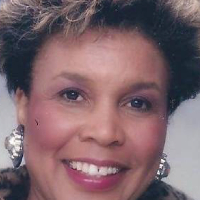
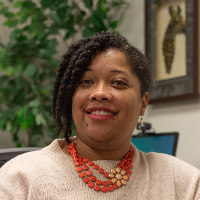
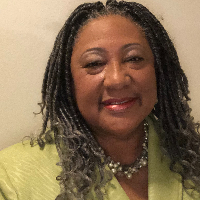
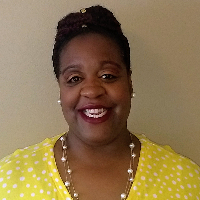
Catherine Towne-Coleman
LPC
Arkansas - 41 yrs exp














How Therapist of Color Care Works for Arkansas Residents
When you choose a therapist of color in Arkansas, you are selecting a clinician who often brings lived experience and cultural insight to the therapeutic relationship. That perspective can shape how issues like racial stress, identity development, microaggressions, and intergenerational family dynamics are understood and addressed. In practical terms, therapy functions similarly across specialties - you will typically start with an intake conversation to clarify goals, histories, and preferences, then move into a regular rhythm of sessions where you and your therapist work on coping strategies, processing emotions, and making changes that matter to you. The difference with a therapist of color is that cultural context is woven into assessment and treatment planning, which can make discussions about race, power, and belonging feel more natural and relevant.
Finding Specialized Help for Therapist of Color in Arkansas
Looking for a therapist who shares or deeply understands your cultural background can feel especially important if race, ethnicity, immigration status, faith, or language are central to what you want to address. Start by narrowing your search by city or region - whether you live near Little Rock, Fayetteville, Fort Smith or Springdale, you can look for clinicians who list cultural competence, bilingual services, or specific community experience in their profiles. Licensing matters: therapists in Arkansas are regulated by state boards, so look for current licensure credentials and practice scope information. If affordability is a concern, search for providers who offer sliding scale fees or accept your insurance plan. Community clinics, university counseling centers, and culturally focused nonprofit organizations can also be sources of referrals when you want a therapist who understands cultural nuance.
What to Expect from Online Therapy with a Therapist of Color
Online therapy expands access across the state, letting you connect with a therapist of color even if there are few options in your town. Sessions commonly take place by video, though phone or messaging formats may also be offered. Before your first online appointment you will want to confirm technical requirements - such as bandwidth and device compatibility - and ask about how your therapist protects session notes and personal information. You should expect a similar structure to in-person therapy: an initial assessment, a shared plan for goals, and regular check-ins. Online work can be particularly useful when you want to maintain continuity of care while traveling, moving between cities like Little Rock and Fayetteville, or fitting therapy into a busy schedule. It also allows you to seek a therapist who specializes in particular cultural or identity issues that may not be widely available in smaller communities.
Practical Considerations for Virtual Sessions
When planning online sessions, think about where you will be during the appointment. Choose a quiet, comfortable environment where you can speak openly without frequent interruptions. If personal nature of sessions of your surroundings is a concern, discuss options with your therapist for scheduling times when you can have more privacy or exploring text-based check-ins. Also clarify cancellation policies, session lengths, and payment procedures in advance so you know what to expect from the working relationship.
Common Signs You Might Benefit from Therapist of Color Therapy
You might consider a therapist of color if questions about identity, belonging, or discrimination are central to your well-being. People often seek culturally informed therapy when they are coping with repeated microaggressions at work or school, navigating multiracial family dynamics, processing trauma where cultural factors shaped the experience, or managing stress related to immigration, acculturation, or language barriers. You may also be drawn to a therapist of color if you want a clinician who can speak your language or who understands the influence of faith, community norms, or historical context on mental health. Even if your concerns are not explicitly about race or culture - for example, when dealing with anxiety, depression, relationship challenges, or parenting - having a therapist who appreciates the role of cultural identity can influence treatment choices and expected outcomes.
Tips for Choosing the Right Therapist for This Specialty in Arkansas
Finding the right match takes time and a bit of trial and error. Begin by reading profiles closely to learn about a therapist's training, languages spoken, and populations served. Consider what matters most to you - whether that is shared identity, therapeutic approach, experience with specific issues, or practical logistics like location and hours. Use initial consultations to ask about the clinician's experience with cultural topics, their approach to race-related stress, and how they incorporate community and family contexts into therapy. It is appropriate to ask about their work with clients from your background, how they handle racial dynamics in the room, and whether they have experience collaborating with schools, faith leaders, or legal advocates when needed. Trust your instincts about rapport; feeling heard and respected in early conversations is a good indicator of fit.
Questions to Ask During an Initial Call
During a brief phone or video call, you might ask about the therapist's training in culturally responsive care, their experience with issues that match your needs, and what a typical session looks like. Ask how they support clients navigating discrimination or identity-related stress, and whether they offer flexible scheduling or sliding scale fees. If language or faith are important to you, inquire about bilingual services or experience integrating spirituality into therapy. These questions help you assess both the clinician's competence and whether their style matches your preferences.
Local Contexts and Community Resources
Arkansas has a mix of urban and rural communities, and local context matters. In cities like Little Rock and Fort Smith you will typically find a wider range of clinicians and specialized services, including community mental health centers and culturally oriented groups. In university towns such as Fayetteville, there may be counseling resources connected to higher education as well as therapists who work with students and young adults. If you are in a smaller town or rural area, teletherapy can bridge gaps, and local community organizations or faith-based networks can offer referrals and support. Community events, cultural centers, and advocacy organizations can also be places to learn about therapists who focus on your background and needs.
Making the Most of Therapy in Arkansas
To get the most from therapy, be clear with your therapist about your priorities and any cultural factors you want to center. Set realistic goals together and agree on how you will measure progress. Keep in mind that meaningful change often requires time and consistent effort, and you should feel empowered to discuss adjustments to the treatment plan. If you change jobs, move between cities, or travel frequently, talk with your therapist about options for maintaining continuity of care. If you ever feel that a therapist is not addressing cultural concerns in a way that meets your needs, it is reasonable to request a referral or to seek an additional opinion. Your comfort and trust in the therapeutic relationship are key to effective work.
Next Steps
Begin by using the listings on this page to compare profiles and identify potential matches in Little Rock, Fayetteville, Fort Smith, Springdale, or elsewhere in Arkansas. Reach out to a few clinicians for brief consultations to get a sense of fit. With the right therapist of color, you can explore identity, resilience, and healing in a way that honors your background and supports your goals.