Find a Panic Disorder and Panic Attacks Therapist in Arkansas
This page connects you with therapists in Arkansas who focus on panic disorder and panic attacks. Browse clinician profiles for Little Rock, Fort Smith, Fayetteville, Springdale and surrounding areas to compare approaches and availability. Use the listings below to find a therapist who matches your needs and reach out to begin care.

Morganne Brown
LCSW
Arkansas - 8 yrs exp
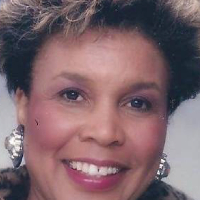
Catherine Towne-Coleman
LPC
Arkansas - 41 yrs exp



















How therapy for panic disorder and panic attacks works in Arkansas
If you are considering therapy for panic disorder or panic attacks, it helps to know what the process often looks like. Many therapists begin with an intake session to learn about your history, the specific nature of your panic experiences, and how these episodes affect daily life. From there you and your therapist usually set goals - this might include reducing the intensity or frequency of panic attacks, learning to anticipate and manage triggers, or building skills to cope in the moment. Therapy is a collaborative process, and the pace and methods a clinician uses will be tailored to your circumstances and preferences.
In Arkansas, clinicians provide care in a variety of settings including private practices, community mental health centers, and teletherapy. Whether you choose in-person sessions in Little Rock or Fayetteville or online visits that let you connect from a smaller town, the essential elements remain the same: assessment, goal-setting, skill-building and regular review of progress.
Finding specialized help for panic disorder and panic attacks in Arkansas
When you search for a therapist who specializes in panic disorder, consider clinicians who list anxiety disorders or panic specifically among their specialties. Licenses you may see include Licensed Professional Counselor (LPC), Licensed Clinical Social Worker (LCSW), psychologist or psychiatric mental health nurse practitioner. Specialization can mean focused training in anxiety-related approaches and experience working with people who have similar symptoms to yours.
Geography matters in Arkansas because access can vary between urban and rural areas. Cities like Little Rock, Fort Smith and Fayetteville offer a wider range of clinicians and clinic types, while residents in smaller towns or rural counties may find it helpful to expand the search to include teletherapy options. You can also check whether a therapist offers evening appointments or a sliding-fee scale if scheduling or cost is a concern.
What to expect from online therapy for panic disorder and panic attacks
Online therapy is a common option in Arkansas and can be especially useful if you live outside major metro areas. If you choose remote sessions, expect to use video or phone calls for regular appointments, and sometimes text-based messaging or worksheets between sessions. Therapists typically adapt standard interventions to a virtual format, guiding you through breathing and grounding exercises, helping you track panic patterns, and assigning practices to try between meetings. Many people find online therapy easier to fit into a workday or family routine, and it can make it simpler to continue care when travel or weather creates barriers.
Before you begin online therapy, you may want to ask about technical requirements, cancellation policies and how the clinician handles emergencies. You should also discuss how session materials - such as recordings, handouts or homework exercises - will be shared. If you live in Arkansas but travel frequently, confirm that the clinician is authorized to provide services in the places where you will be when sessions occur.
Signs you might benefit from panic disorder and panic attacks therapy
You may consider seeking help if you experience sudden episodes of intense fear or discomfort that include symptoms such as rapid heartbeat, trembling, shortness of breath, dizziness or a sense of losing control. Another common indicator is persistent worry about when the next attack will happen, which can lead you to avoid places or activities. If panic episodes interfere with work, relationships or daily routines, or if they leave you feeling constantly on edge, talking with a therapist can help you clarify options and next steps.
Sometimes people delay reaching out because they are unsure whether their experiences are serious enough. If panic-like symptoms are frequent, unpredictable or lead you to change your behavior in significant ways - for example, driving less, skipping social events, or limiting time outside the home - these are valid reasons to explore therapy. Likewise, if you notice panic symptoms beginning after major life changes or stressful events, a clinician can help you sort through triggers and coping strategies.
Practical tips for choosing the right therapist in Arkansas
Begin by thinking about what matters most to you in a therapeutic relationship. Some people prioritize a therapist's approach - such as cognitive-behavioral strategies, exposure work, or mindfulness-based methods - while others focus on personal fit, cultural understanding, or experience with specific populations. Read profiles to learn how clinicians describe their training and interests, and pay attention to any mention of panic disorder or anxiety-related work.
When you contact a prospective therapist, prepare a few questions about their experience with panic attacks, what a typical session looks like, and how they track progress. Ask about logistics too - whether they offer in-person visits in cities like Little Rock or Fayetteville, or teletherapy options that cover rural areas. Inquire about fees, insurance acceptance, and whether they provide brief consultations so you can assess fit before committing to ongoing sessions.
It is normal to try more than one clinician before you find the right match. A good working relationship often depends on feeling heard and understood, and on having clear goals and practical tools to practice between sessions. If a therapist's style or plan does not feel helpful after a few meetings, it is reasonable to discuss adjustments or to look for someone else whose approach aligns better with your needs.
Working with other supports in Arkansas
Therapy for panic disorder sometimes involves coordination with other professionals, such as primary care providers or psychiatrists. If you and your therapist determine that medication consultation might be useful, you can ask for a referral or for collaborative care that respects your preferences. Community resources, peer support groups and local crisis lines can also be part of a broader support network. In Arkansas, these resources may be more concentrated in larger cities, but many organizations provide remote or regional services that reach beyond metro areas.
As you move forward, keep in mind that progress can take different forms - fewer panic episodes, quicker recovery after an attack, or increased confidence in facing previously avoided situations. Therapy offers tools and strategies to help you manage symptoms and regain control over daily life. Whether you begin with a clinician in Little Rock, schedule virtual sessions from Springdale, or meet with someone located near Fort Smith, you have options across Arkansas to find the approach and support that feel right for you.