Find an Older (45+) Therapist in Arkansas
This page lists therapists in Arkansas who specialize in supporting adults 45 and older. Browse the listings below to compare profiles, specialties, availability, and online or in-person options across Little Rock, Fayetteville, Fort Smith and beyond.
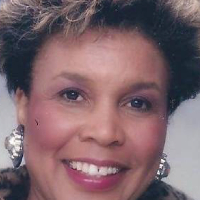
Catherine Towne-Coleman
LPC
Arkansas - 41 yrs exp









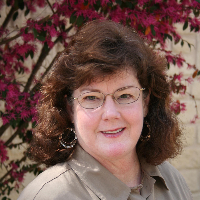

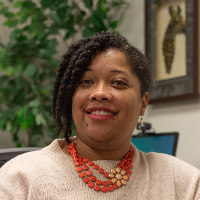

Michelle McHugh
LICSW, LCSW
Arkansas - 23 yrs exp


Glenna Rodgers
LPC
Arkansas - 27 yrs exp








How older (45+) therapy works for Arkansas residents
If you are 45 or older and considering therapy in Arkansas, it's helpful to know what to expect from the process. Therapy for older adults focuses on the life stage you are in - transitions such as retirement, caregiving responsibilities, health changes, relationship shifts, and the task of finding new meaning and routines. Sessions are typically collaborative conversations where you and your therapist set goals, explore coping strategies, and develop practical skills to help you manage stress, mood changes, grief, or challenges related to aging. Therapists trained to work with older adults bring knowledge of common age-related concerns and adapt interventions to fit your pace, energy, and priorities.
Finding specialized help for older adults in Arkansas
Finding a therapist who understands the particular issues adults over 45 face can make a big difference. In larger cities such as Little Rock, Fayetteville, and Fort Smith you will generally find a wider range of clinicians with specific experience working with older adults and age-specific groups. If you live in a smaller town, many clinicians offer online appointments that expand your options without major travel. When searching, look for therapists who list older adult work among their specialties, note years of experience, and read bios to see whether they mention transitions, grief work, chronic illness coping, or family caregiving - all topics that commonly affect people in midlife and beyond. You can also ask potential therapists during an initial call about their experience with clients in your age group and about the approaches they use in therapy.
What to expect from online therapy for older adults
Online therapy has become a practical option for many Arkansas residents, offering flexibility if you have mobility limitations, caregiving duties, or live far from urban centers. If you choose teletherapy, appointments usually take place over video or phone. The first few sessions typically focus on understanding your concerns, building rapport, and establishing goals. As sessions continue, your therapist may teach coping techniques, communication strategies, and ways to manage daily routines. You should expect a discussion about technology early on - what platform will be used, how to join sessions, and what to do if a connection drops. Most therapists also review privacy protections and how records are handled, so you know how your information is managed during the course of treatment.
Practical considerations for teletherapy
Prepare a quiet, comfortable spot for sessions where you will not be interrupted. Good lighting and a stable internet connection improve the experience, but many therapists can also work by phone if video is not feasible. If you need assistance with technology, ask whether the clinician offers a brief orientation call. You may find that online therapy allows more consistent scheduling and eliminates travel time to clinics in Little Rock or Fayetteville, making it easier to maintain regular appointments.
Common signs that someone in Arkansas might benefit from older (45+) therapy
You might consider therapy if you notice prolonged feelings of sadness or anxiety that affect daily functioning, or if a major life event - such as retirement, the death of a loved one, relocation, or a new caregiving role - feels overwhelming. Increased social withdrawal, trouble sleeping, changes in appetite, persistent pain that affects mood, or difficulty managing chronic health changes can also signal that additional support would be helpful. Another common reason is feeling stuck in patterns you want to change, whether in relationships, work-life balance, or in adapting to a new routine after children leave home. If these experiences affect your enjoyment of life or your ability to handle responsibilities, therapy can provide tools and perspective to help you move forward.
Tips for choosing the right therapist for older adult care in Arkansas
Choosing a therapist is a personal decision and finding the right fit matters. Start by identifying what matters most to you - whether that is experience with grief, caregiver stress, life transitions, chronic illness, or couples work. Review clinician bios to learn about their training and therapeutic approaches. Some clients prefer solution-focused techniques, while others seek a therapist who uses emotion-focused or narrative approaches; you can ask about these orientations during an initial inquiry. Consider logistics such as location, availability, and whether the therapist offers evening or weekend appointments if you are working or caregiving. If you live near Little Rock, you may have more in-person options, while Fayetteville and Springdale can offer a mix of university-linked and community clinicians. For those in rural parts of Arkansas, teletherapy may broaden your choices and allow you to find someone whose style resonates with you.
Questions to ask before you begin
When you contact a therapist, ask about their experience working with adults in your age group, typical session length, cancellation policies, and whether they accept your insurance or offer a sliding scale if cost is a concern. It is reasonable to ask about how they approach common issues like grief or caregiving stress and whether they collaborate with other medical providers when appropriate. Many therapists offer a brief phone consultation so you can see whether you feel comfortable speaking with them before scheduling a full session.
Making therapy work for your life and goals
Therapy is most effective when you can commit to regular sessions and approach the work with openness about your goals. Early on you and your therapist will clarify what you hope to achieve and how you will measure progress. You might work on building coping strategies, improving sleep habits, navigating family roles, or preparing for retirement transitions. Some people use therapy short-term to address a specific challenge, while others continue longer-term for ongoing personal growth. In Arkansas, combining therapy with local support - community groups, faith communities, or aging services - can provide a broader network as you work through changes.
Next steps
Begin by reviewing the therapist profiles on this page and narrowing your options based on experience, approach, and logistics. Reach out for a consultation to ask questions and get a sense of how a therapist communicates and whether you feel heard. If the first match does not feel right, it is okay to try another clinician until you find the therapist who fits your needs. Whether you live in a city like Little Rock or Fayetteville or in a smaller Arkansas community, there are clinicians who focus on the unique strengths and challenges of adults 45 and older and can support you in finding balance and resilience during this important life stage.