Find an LGBT Therapist in Arkansas
This page presents therapists who focus on LGBT care throughout Arkansas, including clinicians working in urban centers and rural communities. Profiles include specialties, approaches, and location information to help you compare options. Browse the listings below to learn about providers and contact those who seem like a good fit.

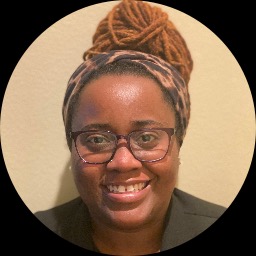
Morganne Brown
LCSW
Arkansas - 8 yrs exp
















How LGBT therapy works for Arkansas residents
When you begin looking for LGBT-focused therapy in Arkansas, you are looking for a professional who understands the specific experiences that can shape sexual orientation and gender identity journeys. Therapy for LGBT people is often framed around identity development, coping with minority stress, relationship dynamics, and resilience after rejection or discrimination. Providers may come from different theoretical backgrounds - cognitive-behavioral, person-centered, psychodynamic, and trauma-informed approaches are common - and many adapt their techniques to reflect cultural context and the realities of living in Arkansas.
In Arkansas, your options may include clinicians in larger cities and community providers who serve smaller towns. Urban areas such as Little Rock, Fayetteville, and Fort Smith tend to have more visible LGBT resources and therapists who list specific LGBT competencies. At the same time, counties outside those centers increasingly benefit from clinicians offering queer-affirming care and from online options that bridge geographical gaps. Understanding how therapy is structured and what kind of support you want helps you narrow the field.
Finding specialized help for LGBT concerns in Arkansas
Finding a therapist who specializes in LGBT issues starts with clarifying the kind of support you want. Some people seek guidance around coming out or family conversations while others look for help with relationship counseling, gender-affirming care coordination, or processing trauma related to harassment or discrimination. You can look for clinicians who explicitly state experience with gender identity, sexual orientation, transgender health, or relationship and couple therapy for queer couples.
Local community centers, university counseling programs, and health clinics in cities like Little Rock and Fayetteville sometimes maintain referral lists. If you live in a more rural area, you can still find therapists who travel to regional clinics or who provide remote sessions. When evaluating profiles, pay attention to listed specialties, training in LGBT-related topics, and whether the therapist mentions experience working with people from backgrounds similar to yours. That context helps you find someone who will understand both the personal and social factors that matter in your life.
What to expect from online therapy for LGBT clients
Online therapy can expand your choices across Arkansas and make it easier to connect with a therapist whose expertise matches your needs. If you opt for remote sessions, you can expect many of the same elements that occur in in-person therapy: an initial assessment, collaborative goal-setting, and ongoing evaluation of progress. Platforms and clinicians vary in how they handle session tools - video calls, phone sessions, text messaging, and secure document exchange - so it helps to ask about the communication methods they use and how they protect your privacy and records.
Online work is particularly helpful if you live outside Little Rock or Fayetteville, or if you prefer to access therapy from a familiar environment. You should plan for a private, distraction-free spot during sessions and check whether your therapist has experience doing remote work, especially around topics like gender-affirming care or family mediation. Some therapists combine online sessions with occasional in-person meetings in regional hubs such as Fort Smith or Springdale when that is useful for intake or coordination with local providers.
Common signs you might benefit from LGBT therapy
You might consider seeking LGBT-focused therapy if you notice recurring patterns that interfere with daily life or relationships. Persistent feelings of anxiety tied to identity, chronic low mood, or difficulty trusting others after experiences of rejection can all be meaningful reasons to reach out. Relationship strain, uncertainty about next steps for gender transition, questions about sexual orientation, or stress from navigating workplace or family dynamics are also common reasons people seek specialized support.
Other signs include feeling isolated in your community, experiencing discrimination or microaggressions that affect your sense of self, or turning to substances to cope with overwhelming emotions. Therapy is not only for crises - many people use it proactively to work through transitions, to develop healthier communication in relationships, or to build resilience when navigating cultural and legal challenges. If you feel stuck or would like clearer direction, a clinician trained in LGBT care can help you explore options and plan practical steps forward.
Practical tips for choosing the right LGBT therapist in Arkansas
Start by identifying what matters most to you - whether it is clinical experience with gender identity, an approach that is faith-sensitive, expertise in couples work, or a therapist who has experience with youth and families. Once you have priorities, use search filters and profile details to create a shortlist. Pay attention to indications of ongoing training in LGBT issues, as those signal a commitment to staying informed about evolving best practices.
When you contact a prospective therapist, a brief intake call or an initial consultation can give you a sense of fit. Ask about their experience with issues like coming out, transition-related care, relationship challenges in queer partnerships, and working with people from different cultural or religious backgrounds. You can inquire about session length, typical treatment goals, and how they involve family members or partners when appropriate. Trust your impressions - feeling heard and respected in that first conversation is often as important as professional credentials.
Consider accessibility and logistics
Practical matters such as location, hours, and insurance or payment options will shape whether a therapist is right for you. If you live in or near Fayetteville or Little Rock you may have more in-person options, while those in smaller towns may rely on online appointments. Ask about sliding scale fees or community resources that can help reduce costs. It is also helpful to know whether a therapist coordinates care with medical providers, which can be useful if you are thinking about medical aspects of gender transition.
Next steps and what to expect after choosing a therapist
Once you choose a therapist, the first few sessions will usually focus on understanding your story, your strengths, and the challenges you face. You and your therapist will set goals together and determine a rhythm for sessions. Progress may feel gradual at times, with practical steps and coping strategies introduced alongside deeper exploration of identity and relationships. You should expect ongoing evaluation of whether the approach is working and the freedom to make changes if the relationship is not a good match.
Finding affirming care in Arkansas can open new ways of relating to yourself and others, whether you are in Little Rock, Fort Smith, Springdale, or a rural community. Approaching the search with clarity about your needs, questions ready for a consultation, and an openness to different formats - in-person and online - will help you find a therapist who supports your path. When you are ready, take the next step and reach out to a few profiles below to find someone who feels right for you.