Find a First Responder Issues Therapist in Arkansas
This page lists therapists in Arkansas who focus on first responder issues, offering support tailored to the unique stresses of emergency work. Browse the profiles below to compare approaches, credentials, and availability in Little Rock, Fayetteville, Fort Smith and beyond.

Morganne Brown
LCSW
Arkansas - 8 yrs exp
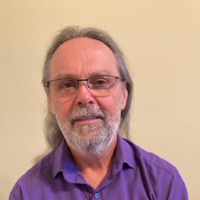

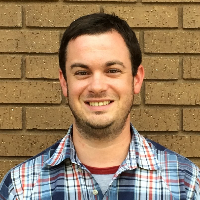



Michelle McHugh
LICSW, LCSW
Arkansas - 23 yrs exp

Glenna Rodgers
LPC
Arkansas - 27 yrs exp






How first responder issues therapy works for Arkansas residents
If you work as a law enforcement officer, firefighter, paramedic, emergency dispatcher, or in another emergency role, therapy that focuses on first responder issues is structured around the demands of that kind of work. You can expect an assessment of how job experiences - such as repeated exposure to crisis, irregular schedules, and high-pressure decision making - have affected your daily functioning, relationships, and sense of wellbeing. A therapist trained in this specialty will collaborate with you to set goals that fit your priorities. Those goals might include managing intrusive memories, improving sleep after shift work, reducing hypervigilance, repairing relationships strained by work stress, or building routines that support recovery between calls.
In Arkansas, providers adapt those approaches to the local context. Rural and urban settings present different access issues and stressors. Someone in a smaller town may value a therapist who understands the dynamics of tight-knit departments and limited local resources, while someone in Little Rock or Fayetteville may look for clinicians experienced with larger agencies and more diverse caseloads. Wherever you are in the state, therapy typically blends evidence-informed strategies with attention to your work schedule and cultural context.
Finding specialized help for first responder issues in Arkansas
Begin by looking for clinicians who explicitly list experience with first responder populations or trauma-informed care. Many therapists describe their clinical focus, training, and the populations they serve in their directory profiles. You can narrow your search by location, availability for evening or weekend sessions, and whether they offer in-person visits near your city or online sessions across Arkansas. If you prefer face-to-face work, check for clinicians practicing in metropolitan hubs such as Little Rock, Fort Smith, Fayetteville, or Springdale. If personal nature of sessions concerns about local connections matter to you, consider remote sessions that allow you to work with someone outside your immediate community.
When you reach out, a brief introductory call or message can help you assess whether a therapist understands first responder culture and has worked with similar challenges. Ask about their experience with occupational trauma, shift-related sleep disruption, or peer support frameworks. A therapist who has collaborated with departments, unions, or employee assistance programs may be better positioned to help you navigate work-related systems and referrals.
What to expect from online therapy for first responder issues
Online therapy has become a practical option for many Arkansas residents, especially when shift work or geographic distance makes regular in-person sessions difficult. You can expect sessions to take place through video or phone, scheduled at times that can accommodate night shifts or variable rosters. Therapists will usually adapt interventions such as cognitive behavioral techniques, stress management skills, and exposure-based strategies to the virtual setting. Practical exercises, homework, and between-session tools can be delivered electronically so you can work on coping skills between calls.
Online therapy also gives you access to clinicians across the state, which can be useful if you want a provider who specializes in working with first responders but does not practice near your town. Keep in mind that licensing rules vary, so confirm that the therapist is licensed to work with clients in Arkansas. You may also want to discuss how they handle recording notes and communicating about care - a clear plan for communication helps you know what to expect when you need to cancel or reschedule around an emergency shift.
Practical considerations for virtual care
Plan for a consistent location when you join sessions so you can speak openly without interruptions. A quiet vehicle, an office at work during an off shift, or a private room at home can work well. If you need evening appointments after a late shift, many therapists offer those hours or can recommend colleagues who do. Make sure you understand session fees, cancellation policies, and how the therapist coordinates with other supports such as employee assistance programs or medical providers if needed.
Common signs that someone in Arkansas might benefit from first responder issues therapy
You might be considering help because you notice changes that affect your work or relationships. Recurring nightmares, intrusive memories from critical incidents, or persistent avoidance of reminders about a call can signal that focused support would be helpful. Many first responders also report ongoing anger, irritability, or difficulty winding down after a shift. If you find it hard to sleep, or if shift work consistently disrupts your mood and energy, therapy can offer strategies to manage sleep routines and reduce the cumulative impact of fatigue.
Other signs include increased use of alcohol or other substances to cope, withdrawal from friends and family, and growing concern among peers about performance or decision making on the job. You may also notice that stress affects your physical health, such as tension, headaches, or changes in appetite. If these patterns are present and persistent, reaching out to a therapist who understands first responder culture can help you address them before they lead to more serious complications in work or relationships.
Tips for choosing the right therapist for this specialty in Arkansas
Start by prioritizing clinicians who mention experience with first responder populations or trauma-informed methods. When you review profiles, look for information about relevant training, years of clinical work, and approaches such as exposure therapy, cognitive behavioral therapy, or techniques for managing occupational stress. You should also consider logistical fit - whether the therapist offers hours that align with your schedule, accepts your insurance or offers sliding scale options, and whether they provide telehealth if that works better for you.
It is reasonable to contact more than one clinician to compare styles. Use an initial conversation to gauge whether the therapist understands the demands of your role and whether you feel heard. Trust your instincts about whether a therapist creates a respectful, nonjudgmental environment. If you are part of a department, ask colleagues about clinicians they have worked with, since recommendations from peers can be valuable when choosing someone who appreciates the realities of first responder work.
Local considerations across Arkansas
If you live in Little Rock or Fort Smith you may find more options simply due to population density, including providers with specialized training and experience working with large agencies. In college towns like Fayetteville and in growing regions around Springdale, clinicians may offer a mix of urban and rural perspectives. In smaller or rural communities, you may prefer a therapist who understands limited local mental health resources and is comfortable coordinating care across distances. Telehealth expands your options across the state, but some people benefit from occasional in-person meetings when that is available.
Taking the next step
Searching for a therapist can feel like a big step, but you do not have to figure everything out in one visit. Consider the first session as an opportunity to assess fit and set short-term goals. If you are unsure where to start, reach out to a few clinicians listed on this page and ask questions about their experience with first responder issues, availability for evening or weekend sessions, and how they work with emergency personnel. Finding the right therapeutic match can make a meaningful difference in how you manage stress, recover between incidents, and maintain wellbeing on and off the job.
Whether you are based in Little Rock, Fayetteville, Fort Smith, Springdale, or elsewhere in Arkansas, there are therapists who understand the unique challenges of emergency work and can help you build practical skills for resilience and recovery. Use the listings above to compare profiles and reach out to a clinician who aligns with your needs and schedule.