Find a Disaster Relief Therapy Therapist in Arkansas
This page lists therapists in Arkansas who focus on disaster relief therapy, offering support after floods, storms, wildfires, and other emergencies. Browse the listings below to compare providers in Little Rock, Fort Smith, Fayetteville, Springdale and nearby communities.






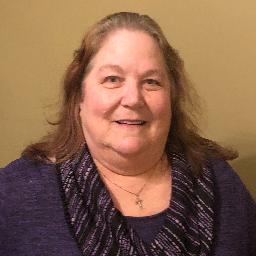
Glenna Rodgers
LPC
Arkansas - 27 yrs exp





How disaster relief therapy can help Arkansas residents
When a flood, tornado, wildfire, or other emergency affects your home or community, the emotional aftermath can be as disruptive as physical damage. Disaster relief therapy aims to address stress reactions, grief, and the practical emotional challenges that follow traumatic events. In Arkansas, where severe storms and flooding are recurring concerns, therapy can help you process what happened, regain routines, and rebuild a sense of stability. Therapists trained in disaster response draw on trauma-informed approaches to help you manage overwhelming memories, reduce reactivity, and improve day-to-day functioning while you recover.
Immediate crisis support and longer-term care
In the days after an event, therapy often focuses on immediate coping - creating safety plans, normalizing strong reactions, and helping you access local resources. Over time, sessions may shift toward processing traumatic memories, addressing complicated grief, and rebuilding relationships and community ties. You might work with a therapist on practical steps for managing stress, sleep, and routines, then move toward longer-term goals such as returning to work, reconnecting with others, or finding meaning after loss. The pace and focus are shaped by your needs and the type of support that helps you regain control.
Finding specialized disaster relief help in Arkansas
Finding a therapist with disaster relief experience begins with understanding credentials and local availability. Look for licensed clinicians who list trauma, crisis intervention, grief counseling, or disaster response among their specialties. Arkansas has both urban centers and rural areas, so availability differs between places like Little Rock and Fayetteville versus smaller towns. If you live in Fort Smith or Springdale, you can search for providers nearby or choose a clinician who offers remote sessions if in-person access is limited. Community mental health centers, nonprofit response teams, and local health departments often coordinate post-disaster services and can be a helpful entry point.
Experience and cultural awareness matter
When a therapist understands the local context - the ways storms, floods, and other emergencies affect Arkansas families, businesses, and schools - their guidance can feel more relevant and practical. You may prefer a clinician who has worked with first responders, school systems, or faith communities, or someone who has experience providing group support after disasters. Cultural awareness and familiarity with the communities you live in - whether urban Little Rock neighborhoods or rural counties - influence how therapy is offered and how effective support will be.
What to expect from online disaster relief therapy
Online therapy increases access, especially when transportation, shelter changes, or ongoing recovery make in-person appointments difficult. With telehealth you can connect from wherever you are - whether you have returned home in Fayetteville or are staying with family outside your county. Sessions are typically similar in length to in-person meetings, and many therapists use the same trauma-informed techniques online as they do face-to-face. You should plan for a quiet, uninterrupted setting and test your device and internet connection before your first appointment to make the most of each session.
Online care can also make it easier to stay connected with a therapist if you relocate temporarily after an emergency. Licensing rules mean some clinicians may only serve clients located in Arkansas, so check with your therapist about their ability to continue sessions if you travel. Therapists will often discuss safety plans and emergency contacts at the start of treatment so you know what steps to take if distress intensifies between sessions.
Common signs that someone in Arkansas might benefit from disaster relief therapy
You may benefit from disaster relief therapy if you notice persistent symptoms that interfere with daily life following an emergency. These can include intrusive memories or flashbacks of the event, nightmares, pervasive worry about future disasters, or difficulty concentrating at work or school. You might find yourself withdrawing from friends and family, experiencing intense grief over loss of property or a loved one, or relying more on substances to cope. Physical reactions such as sleep disruption, headaches, or a heightened startle response are also common. If these reactions last for weeks or begin to limit your ability to function, reaching out for professional support can be an important step.
Children, adolescents, and community impacts
Children and teens often show different signs than adults - changes in behavior, regression in developmental skills, irritability, or school avoidance can signal that a young person needs help coping. Community-level stressors - such as long-term displacement, loss of local services, or damage to schools and businesses in places like Little Rock or Fort Smith - can compound individual distress. Therapy can be useful for both individuals and families working through the ripple effects of an event.
Tips for choosing the right disaster relief therapist in Arkansas
Start by identifying what matters most in a therapeutic relationship - whether that is experience with a specific type of disaster, a particular therapeutic approach, availability for remote or evening sessions, or comfort with family or group work. When you contact a therapist, ask about their training in trauma-focused methods, their experience working with disaster survivors, and how they coordinate care with other local services. It is reasonable to inquire about licensure and professional background, and to request a brief conversation to see whether you feel heard and understood.
Consider practical details as well - whether the therapist accepts your insurance, offers a sliding scale, or provides both in-person and online appointments. If you live in or near Fayetteville, Springdale, or other Northwest Arkansas communities, ask how they handle community referrals and whether they have partnerships with local agencies. In Little Rock and Fort Smith, therapists may have experience working with larger community response teams and can help connect you to broader recovery resources. Ultimately, trust and rapport are central; if a therapist’s style does not feel like a good match, it is appropriate to seek another provider until you find the support that fits.
Preparing for your first sessions
Before your first appointment, gather any information that may help - notes about the event, practical concerns like housing or financial stressors, and a list of symptoms you have noticed. Be prepared to discuss immediate needs and safety, and to collaborate on short-term goals such as stabilizing sleep or reducing panic. Therapists typically outline a plan and provide suggestions you can try between sessions. If you are seeking help for a child, bring any relevant school or medical information and be ready to discuss routines and behaviors that have changed since the event.
Wrapping up - finding support across Arkansas
Recovery after a disaster is both personal and communal. Connecting with a therapist who understands disaster-related stress and the Arkansas context - from rural counties to cities like Little Rock, Fort Smith, and Fayetteville - can make the process of healing more manageable. Whether you prefer in-person sessions near home or the convenience of online care, take time to find a clinician whose approach and availability match your needs. Reaching out for help is a practical step toward rebuilding routines, restoring well-being, and navigating the challenges that follow an emergency.
If you are ready to look for care, browse the therapist listings above to compare specialties, read profiles, and contact clinicians with experience in disaster relief therapy. Local agencies and community resources can also provide referrals and short-term support while you find the ongoing care that feels right for you.