Find a Depression Therapist in Arkansas
This page features therapists who focus on treating depression for residents across Arkansas. Explore therapist profiles below to compare specialties, approaches, and availability before reaching out.

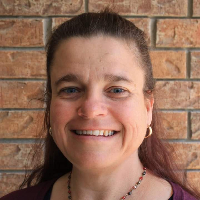
Morganne Brown
LCSW
Arkansas - 8 yrs exp






















How depression therapy typically works for Arkansas residents
When you begin depression therapy in Arkansas you can expect an initial intake session where a clinician gathers information about your current symptoms, history, and daily life. That first conversation is usually followed by a collaborative discussion about goals and the types of treatment approaches that may fit your needs. Over time you and your therapist will track progress, adjust strategies, and practice skills between sessions. Therapy is an active process - you will likely be asked to try new behaviors, reflect on patterns, and experiment with techniques that help you manage mood and functioning.
Clinicians in Arkansas work in a variety of settings including private practices, community clinics, university counseling centers, and outpatient mental health agencies. If you live in or near Little Rock, Fort Smith, Fayetteville, or Springdale you may find in-person options that are convenient for commuting. If you are farther from a city, evening appointments or online sessions often make it easier to fit care into your routine.
Finding specialized help for depression in Arkansas
Searching for a therapist who specializes in depression means looking beyond a generic listing to find clinicians who describe experience with mood disorders, evidence-based approaches, and the populations they serve. Many profiles will list therapeutic orientations such as cognitive behavioral therapy, interpersonal therapy, behavioral activation, or acceptance and commitment therapy - these approaches are commonly used to treat depressive symptoms. You can also look for clinicians who note experience with related issues like anxiety, trauma, grief, or chronic health conditions, because overlapping concerns often influence how depression presents.
Practical considerations matter as well. Check whether a therapist accepts your insurance or offers a sliding scale, and verify office hours and location. If you live in a rural area of Arkansas, you may prioritize clinicians who offer telehealth to reduce travel time. If cultural fit is important to you, look for therapists who mention working with specific age groups, cultural backgrounds, faith perspectives, or LGBTQ+ clients. Profiles that include a short video or a description of session structure can give you a clearer sense of the therapist’s style before you reach out.
What to expect from online therapy for depression
Online therapy can be a practical option if you prefer the convenience of meeting from home or if you live far from major cities. In Arkansas, many therapists provide virtual appointments that mirror in-person sessions in length and structure. You will typically meet via a video platform, though phone sessions or message-based support may also be available depending on the clinician. Before starting, confirm technical requirements, session fees, and how the therapist handles emergencies or urgent needs.
When preparing for online sessions think about creating a personal, quiet space where you can speak freely. You may want to test your camera and microphone and ensure your internet connection is stable. Many clients find online therapy reduces logistical stress and makes it easier to maintain continuity of care during life transitions or busy workweeks. If you travel or relocate within Arkansas, ask your therapist about licensure and whether they can continue to provide care in a different county or city.
Common signs that someone might benefit from depression therapy
If you have been feeling persistently down, uninterested in activities you once enjoyed, or unusually tired for several weeks, these are common indicators that talking with a professional could help. Changes in appetite or sleep, difficulty concentrating, slowed thinking or movement, feelings of worthlessness, and increased irritability are also signs that deserve attention. You might notice that relationships or job performance are affected, or that you are using alcohol or substances more often to cope. Experiencing thoughts about harming yourself is a serious sign that you should reach out for immediate help from a mental health professional or local emergency services.
Living in Arkansas can bring unique stressors related to work, family expectations, geographic isolation, or access to resources. If you find that mood symptoms are interfering with everyday life in Little Rock, Fort Smith, Fayetteville, Springdale, or smaller towns, therapy offers a space to explore underlying patterns, develop strategies, and build support systems. Seeking help early often makes it easier to regain a sense of balance and to prevent symptoms from intensifying.
Tips for choosing the right therapist for depression in Arkansas
Begin by clarifying what matters most to you in therapy - for example, a therapist’s experience with a particular approach, their availability for evenings, or whether they accept your insurance. Use profile details to screen for clinicians who explicitly state experience treating depression and note any specialized training or populations they serve. When you contact a therapist for a consultation, prepare a few questions about their typical treatment plan for depression, how they measure progress, and what a typical session looks like.
Consider logistics in Arkansas - proximity to public transit in Little Rock, parking and drive times in Fayetteville, or the convenience of telehealth if you live outside city centers. Pay attention to communication style during your initial contact; a therapist who listens to your concerns, answers your questions clearly, and explains how they work may be a better fit. If a therapist offers a brief phone consultation, use that opportunity to gauge whether you feel understood and respected. Fit matters as much as credentials, so trust your sense of comfort and rapport.
Working with medical providers and community resources
Therapy for depression often benefits from coordination with primary care providers, psychiatrists, or other specialists when there are medical factors or medication considerations involved. If you already see a doctor in Arkansas, ask whether they can collaborate with your therapist to track symptoms and treatment responses. Community resources such as support groups, faith-based programs, and campus counseling centers may supplement individual therapy and provide additional social connection.
Arkansas has a mix of urban and rural resources, and you can access local support networks in larger cities as well as statewide organizations that offer educational materials or referrals. If transportation is a barrier, online therapy and outreach programs may help bridge the gap. When you explore options, ask about crisis planning so you and your therapist have a clear approach if symptoms escalate between sessions.
Making the first appointment and what comes next
When you are ready to schedule, reach out via the contact method listed on a therapist’s profile to ask about availability and intake procedures. Many clinicians welcome a brief phone call to answer questions and to determine whether they are a good match for your needs. During the first few sessions you can expect assessment, goal-setting, and an initial plan that includes specific techniques or homework to support change. Over weeks and months you and your therapist will refine the plan based on what works for you.
Entering therapy is a proactive step toward feeling better and improving day-to-day functioning. Whether you choose an in-person clinician in Little Rock or Fayetteville, or you opt for online sessions that fit your schedule, the important part is finding a therapist with whom you can build trust and work toward meaningful goals. If a particular approach does not feel helpful, discuss alternatives with your therapist - effective care is often a result of experimentation and collaboration tailored to your life in Arkansas.