Find a Coaching Therapist in Arkansas
This page presents coaching therapists practicing in Arkansas, including options for in-person care in cities such as Little Rock, Fort Smith, Fayetteville, and Springdale as well as online services available statewide.
Visitors can review provider profiles, specialties, and practical details to compare professionals; browse the listings below to explore options.
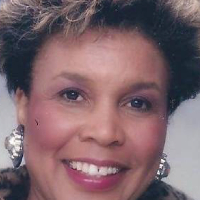
Catherine Towne-Coleman
LPC
Arkansas - 41 yrs exp





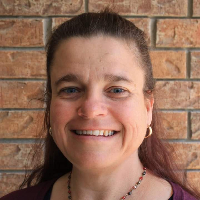









Glenna Rodgers
LPC
Arkansas - 27 yrs exp







How coaching therapy works for Arkansas residents
Coaching therapy combines goal-focused coaching techniques with therapeutic listening and behavior change strategies to help you move toward measurable outcomes. Sessions are typically structured around short- and medium-term objectives - for example refining communication skills, managing a career transition, improving daily habits, or navigating life changes. In Arkansas, coaching-oriented clinicians may hold licenses in counseling, social work, marriage and family therapy, or they may be trained as professional coaches who collaborate with clinicians when deeper clinical concerns arise.
You should expect an initial conversation that clarifies your goals, an assessment of strengths and obstacles, and a plan that lays out session frequency and homework tasks. Progress is tracked through concrete markers - improved routines, new decision-making patterns, or clearer priorities - rather than through lengthy exploration of past trauma. That said, if themes emerge that require clinical diagnosis or long-term therapy, a qualified provider will discuss referrals or integrated approaches so your care stays appropriate to your needs.
Where coaching fits in the spectrum of support
Coaching often sits alongside traditional therapy on a spectrum of support. If you are primarily seeking growth, skill-building, and forward movement, coaching methods may suit you well. If you have complex mental health symptoms that interfere with daily functioning, clinicians may recommend a clinical therapy pathway. In Arkansas, many professionals blend both orientations so you can receive coaching tools framed by therapeutic expertise when needed.
Finding specialized coaching help in Arkansas
When searching for a coach or coaching therapist in Arkansas, local context matters. Urban centers such as Little Rock, Fort Smith, and Fayetteville host a range of practices with clinicians who bring experience in career coaching, executive development, parenting transitions, and wellness coaching. In less populated areas, clinicians may offer broader generalist services or provide remote coaching to bridge geographic gaps.
Begin your search by reviewing provider profiles to learn about training, specialties, and session formats. Look for language about coaching methods - such as solution-focused, cognitive-behavioral informed coaching, strengths-based coaching, or performance coaching - and descriptions of typical client goals. If cultural fit is important to you, consider clinicians who list experience with particular communities, life stages, or workplace settings. You can also ask prospective providers about their experience working with Arkansas-specific challenges, such as rural access, workplace cultures in regional industries, or family dynamics common in the area.
Licensure and regulations to consider
Coaching itself is not a protected title in many places, while counseling and therapy typically require state licensure. If you prefer a clinician with a regulated credential, check that a provider is licensed to practice in Arkansas before beginning sessions. If you plan to work with someone across state lines, confirm that they are authorized to provide services to Arkansas residents. Asking about supervision, continuing education, and scope of practice helps you understand how a provider balances coaching with clinical responsibility.
What to expect from online coaching therapy
Online coaching therapy has become a practical option for many Arkansas residents, especially those who live outside city centers or have busy schedules. Virtual sessions usually resemble in-person meetings in structure - a scheduled conversation guided by goals, active listening, and exercises or homework - but offer the flexibility of meeting from home, an office, or another comfortable environment. Technology needs are typically minimal: a reliable internet connection and a device with video capability are sufficient for most providers.
During virtual sessions you can expect a focus on measurable change, with screens sometimes used to share worksheets, habit trackers, or goal plans. Communication styles vary by clinician; some favor highly structured sessions with clear agendas and action steps, while others allow more exploratory conversation that gradually narrows to practical steps. If you have concerns about digital tools or want phone-only sessions instead of video, discuss those preferences early so the provider can accommodate them when possible.
Practical considerations for online work
Be mindful of scheduling and environment when you meet virtually. Choose a quiet, uninterrupted space where you can speak openly and complete any exercises without distraction. If you live with family or housemates, set expectations about session times so interruptions are minimized. Clarify payment methods, cancellation policies, and session length before committing to a regular schedule to avoid surprises.
Common signs that coaching therapy may help
You might consider coaching therapy if you feel stuck in a pattern you cannot change on your own, if you are undergoing a significant life transition, or if you want to build specific skills such as time management, leadership presence, or healthier routines. People often seek coaching when they want clearer priorities, more consistent follow-through, or improved performance at work or in relationships. You may also benefit from coaching if you want short-term, actionable guidance rather than long-term exploratory therapy.
If you notice recurring indecision, stalled projects, or a mismatch between your values and daily habits, coaching techniques can provide structure to translate insights into action. Similarly, if you are facing a career pivot, preparing for a major role, or navigating the complexities of parenting or caregiving, targeted coaching can help you create realistic plans and maintain momentum. Should deeper emotional issues surface, a good coaching therapist will help integrate more clinical work or recommend a clinician focused on those needs.
Tips for choosing the right coaching therapist in Arkansas
Start by clarifying your goals and the kind of partnership you want. Are you seeking accountability, skill training, or guidance through a transition? Once your objectives are clear, read profiles carefully to find clinicians whose language and specialties align with those aims. Contact potential providers to ask about their approach, training, session frequency, and typical outcomes for clients with similar goals.
Consider practicalities such as location and availability. If in-person meetings matter to you, explore clinicians in Little Rock, Fort Smith, Fayetteville, or Springdale where there may be more options. If flexibility is a priority, search for providers who offer online sessions across Arkansas. Ask about fee structures and whether sliding-scale options or community clinics are available if cost is a concern. You might request an initial consultation to get a sense of rapport before committing to ongoing sessions, since personal fit often determines how effective the work will feel.
Finally, trust your instincts about communication and methodology. Coaching requires active collaboration, so choose someone whose style motivates you and whose plan matches your tempo. Over time, measure progress against the goals you set together and adjust the plan if needed. Whether you are in a bustling neighborhood of Little Rock or a rural community outside Fayetteville, a well-chosen coaching therapist can help you move from intention to tangible change.
Exploring coaching therapy options across Arkansas means balancing practical factors - like credentials and access - with the softer but crucial elements of rapport and fit. With thoughtful research and a clear sense of your objectives, you can find a professional partner who helps you set priorities, build new habits, and move forward with confidence.