Find an ADHD Therapist in Arkansas
This directory page highlights therapists throughout Arkansas who specialize in ADHD assessment, coaching, and therapy. Use the listings below to explore clinicians by location, expertise, and treatment approach.

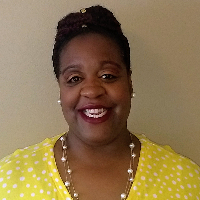
Morganne Brown
LCSW
Arkansas - 8 yrs exp





















How ADHD Therapy Typically Works for Arkansas Residents
If you are exploring ADHD therapy in Arkansas, it helps to know what a typical path looks like. Many people begin with an initial intake session where a clinician asks about your history, current challenges, and what you hope to change. Intake often includes collecting information on attention, organization, time management, and any overlapping concerns such as anxiety, mood differences, or learning struggles. From there, a therapist will outline a plan that may include regular talk therapy sessions, skills coaching, behavioral strategies, and coordination with other providers if needed. Sessions may be offered in person in cities like Little Rock or Fayetteville and by remote video for people who live farther from urban centers.
Finding Specialized ADHD Help in Arkansas
When you search for specialized ADHD help in Arkansas, look for clinicians who list ADHD or attention-related difficulties among their focus areas. You will find a range of licensed professionals across the state, including psychologists, licensed professional counselors, and clinical social workers who have experience working with adults, teens, or children. In larger communities such as Little Rock and Fort Smith you may find clinicians with additional training in neuropsychological assessment or ADHD coaching. If you live in a more rural county, telehealth makes it possible to connect with specialists based in Fayetteville or other cities without traveling long distances. It also helps to read therapist profiles carefully to see whether their approach emphasizes skills training, organizational strategies, parent guidance, or co-occurring concerns.
What to Expect from Online Therapy for ADHD
Online therapy for ADHD has become a common and useful option in Arkansas, especially when local options are limited. When you choose remote sessions, plan on meeting via video in a distraction-free area at home or another quiet setting. Sessions tend to follow a similar structure to in-person work - review of challenges since the last meeting, skill-building exercises, and planning for applying strategies between sessions. For ADHD you may work on time management techniques, task initiation strategies, breaking projects into manageable steps, and practical organization tools that fit your daily life. Many clinicians will assign short practice tasks between sessions so you can apply new habits and then troubleshoot what did or did not work together. If you rely on online care, check how a therapist frames their approach to technology - for example, whether they use shared digital tools for tracking goals and reminders - and be sure the platform they use works well for you.
Access and convenience
Online therapy can significantly reduce commute time and expand your options. If you live outside of metropolitan areas like Springdale or Little Rock, remote care often offers access to clinicians who may not have a nearby office. Keep in mind that some in-person services, such as neuropsychological testing, are still more commonly offered face-to-face, so you may choose a blended model that combines remote sessions with occasional in-person appointments.
Common Signs That Someone in Arkansas Might Benefit from ADHD Therapy
You might consider ADHD-focused therapy if you notice persistent difficulties with focus, organization, or time management that interfere with daily life. This can show up as trouble completing work or school assignments, frequent missed deadlines, difficulty managing household responsibilities, or feeling overwhelmed by planning and transitions. Some people experience impulsive decision-making that creates interpersonal conflicts or safety concerns. Others find that restlessness, frequent shifting between tasks, and emotional reactivity make it hard to maintain routines. These patterns can affect relationships, job performance, and academic progress. If these challenges are longstanding and not explained by recent life changes alone, talking with a clinician who understands ADHD can help you identify practical strategies tailored to your situation.
Choosing the Right ADHD Therapist in Arkansas
Selecting a therapist who is a good fit involves both professional qualifications and personal rapport. Start by noting whether a clinician has explicit experience with ADHD and whether they work with the age group you need - adults, adolescents, or children. Ask about the therapeutic approaches they use and how they measure progress. Some clinicians emphasize cognitive behavioral approaches that focus on changing habits and thought patterns, while others balance coaching-style skills training with traditional therapy. It is reasonable to inquire about experience working with related challenges such as anxiety, learning differences, or mood concerns, since these often co-occur.
Practical considerations also matter. If you need in-person sessions, look for therapists with offices in or near cities like Little Rock, Fort Smith, Fayetteville, or Springdale. If telehealth is a better fit, ask about the clinician’s availability and whether they offer evening or weekend appointments to accommodate your schedule. Insurance, sliding scale fees, and session length are valid topics to discuss during an initial consultation. Many therapists offer a brief phone or video call to see if you feel comfortable with their style before committing to ongoing sessions.
Questions to ask early on
When you contact a therapist, consider asking how they tailor interventions for ADHD, what a typical session looks like, and how they set goals and track outcomes. You can also ask about collaboration - whether they are willing to coordinate with school staff, primary care clinicians, or other providers if that would help your plan. A responsive clinician will be transparent about their experience, the structure of care they offer, and what you can reasonably expect in terms of progress.
Navigating Care Across Arkansas Communities
Arkansas has a mix of urban and rural communities, and that affects how you pursue care. In Little Rock and Fayetteville you may have greater access to clinics that offer multidisciplinary teams and assessment services. Fort Smith and Springdale are regional hubs where you can also find experienced clinicians. In smaller towns, telehealth has opened new possibilities for finding ADHD-focused care. When you are choosing between local and remote providers, consider the kinds of supports you need most - whether it is specialized testing, frequent coaching sessions, or family-focused interventions - and choose a clinician whose strengths align with those needs.
Next Steps
Begin by browsing profiles to identify clinicians who list ADHD as a specialty and who work with your age group. Read experience summaries, note practical details like appointment availability, and use brief intake calls to assess fit. Whether you opt for in-person sessions near Little Rock or a combination of video work with a clinician based in Fayetteville, taking the first step to connect with a therapist can help you explore strategies and supports that fit your life in Arkansas. If you are unsure where to start, consider looking for clinicians who offer an initial consultation - that conversation can clarify whether their approach matches your goals and whether to move forward together.