Find an Internal Family Systems Therapist in Arizona
Internal Family Systems is a therapeutic approach that helps people understand and work with the many parts that make up their inner experience. Find trained Internal Family Systems practitioners across Arizona, including Phoenix, Tucson and Mesa, and browse the listings below to learn more and contact a clinician who fits your needs.



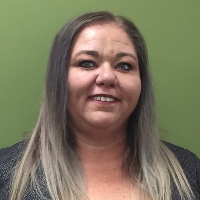

Heather Scarbrough
LMFT
Arizona - 10 yrs exp








Dr. David Dohm
LPC
Arizona - 30 yrs exp

Debra Black-Mayo
LPC
Arizona - 20 yrs exp







What Internal Family Systems Is and the Principles Behind It
Internal Family Systems, often called IFS, is a model of therapy that views the mind as made up of multiple parts, each with its own perspectives, emotions and roles. Rather than seeing those parts as problems to be eliminated, IFS invites you to develop a respectful relationship with them. Central to the approach is the concept of the Self - a calm, compassionate core that can lead internal healing when it is able to take a guiding role. The work focuses on understanding how different parts relate to each other, reducing internal conflict and helping neglected or wounded parts heal.
The principles of IFS emphasize curiosity, non-judgment and collaboration. You and a therapist explore protective parts that manage daily life, as well as vulnerable parts that may hold pain from past experiences. Over time, the goal is to increase access to Self-led perspective, which often results in greater emotional flexibility and resilience.
How Therapists in Arizona Use Internal Family Systems
Therapists across Arizona adapt IFS to fit their clients' needs and cultural contexts. In urban centers such as Phoenix and Scottsdale, clinicians may combine IFS with other modalities to address complex presentations, while in communities around Tucson and Mesa therapists might focus on gradual, relational work that honors local traditions and values. Whether you are working with someone in a small practice or a larger clinic, IFS sessions commonly emphasize listening to your parts, developing safety within sessions and practicing new ways of interacting with internal experiences.
Many Arizona therapists also consider practical factors such as scheduling flexibility and whether you prefer in-person meetings or teletherapy. In more rural areas of the state, teletherapy can increase access to trained IFS practitioners. No matter where you are, a therapist trained in IFS will usually explain the model, invite you to notice internal parts, and support you in cultivating a Self-led presence that can guide your change process.
What Internal Family Systems Is Commonly Used For
IFS is used to address a wide range of emotional and relational concerns. You might seek IFS for help with anxiety, persistent sadness, trauma-related symptoms, patterns in relationships, or difficulties with identity and self-esteem. It is often chosen by people who feel stuck in recurring patterns - for example, someone who alternates between people-pleasing and withdrawal or someone whose anger repeatedly undermines their goals. Therapists also use IFS to work with grief, performance stress, and the aftereffects of attachment wounds.
Because the approach focuses on the internal system rather than on labeling a single symptom, it can be flexible and personally tailored. In Arizona, clinicians may integrate IFS when clients want deep exploration of their inner experience, or when other approaches have provided limited relief. The therapy tends to be especially helpful when you are willing to reflect on internal dynamics and to practice new ways of relating to your parts both inside and outside of sessions.
What a Typical Online Internal Family Systems Session Looks Like
If you choose online IFS sessions, you can expect a process similar to in-person work, with adjustments for the virtual setting. A session often begins with a check-in about how you are feeling and what you would like to focus on. Your therapist will invite you to notice sensations, emotions or images and to describe any parts that come forward. You will be guided to approach those parts with curiosity rather than judgment, and to ask gentle questions about their roles and concerns.
In online sessions, therapists pay close attention to pace and to establishing a reliable frame for the work. They may use grounding practices, screen-shared diagrams or brief breathing exercises to help you stay present. Because nonverbal cues can be harder to read over video, your therapist will likely check in more frequently about how you are experiencing the process. Many people find that online IFS can be just as intimate and transformative as in-person therapy, and it also offers the convenience of meeting from home or from another familiar location.
Who Is a Good Candidate for Internal Family Systems
IFS tends to suit people who are curious about their internal life and willing to approach their feelings without harsh self-criticism. You do not need to be highly verbal or analytically oriented to benefit; the method supports both reflective conversation and experiential noticing. If you have a history of trauma, IFS can be offered carefully and gradually, with attention to pacing and stabilization. That said, you and your therapist will assess whether the timing and format of IFS are appropriate for your current situation.
People looking for deeper self-understanding, improved emotional regulation, and better relationships often find value in this approach. If you prefer therapy that treats symptoms as messages from different parts of yourself rather than as flaws to be fixed, IFS may resonate with you. In Arizona, you can find clinicians who are experienced in tailoring the approach to different age groups, cultural backgrounds and life stages.
How to Find the Right Internal Family Systems Therapist in Arizona
Finding the right therapist involves a mix of practical and interpersonal considerations. Start by looking for clinicians who list IFS training or certification on their profiles, and read any practice descriptions to see how they describe their approach. Consider whether you prefer someone who integrates IFS with other modalities or a clinician who focuses primarily on IFS. Think about logistics too - do you want in-person sessions in Phoenix, Tucson or Mesa, or do you need the flexibility of teletherapy that can reach you anywhere in the state?
When you contact a potential therapist, a brief phone call or initial consultation can help you assess fit. Notice how the therapist explains IFS and whether they invite your questions. Ask about their experience with concerns similar to yours, their session length and typical pace of work. If cultural sensitivity, language options or weekend availability are important to you, mention these needs early in the conversation. Trust your impressions about whether the therapist makes you feel heard and respected.
Practical Considerations and What to Expect in Early Sessions
Early sessions often focus on building rapport and introducing the IFS framework. Your therapist will help you identify a few key parts and may guide you through simple exercises to meet them. Expect to practice attending to parts between sessions so you can bring fresh material into therapy. Payment, insurance acceptance and cancellation policies vary by clinician, so clarify these details before committing to a schedule.
Living in a state with diverse communities and geography, you may find different practice styles across Arizona. Urban areas like Scottsdale and Chandler tend to offer a wide range of specialties and flexible scheduling, while smaller towns may have therapists who integrate community-based perspectives into care. Whatever setting you choose, the most important factor is a collaborative relationship that supports your ongoing curiosity and growth.
Making the First Step
Beginning IFS work is a personal decision that often brings meaningful insight and change. If you are ready to explore the parts that influence your mood, habits and relationships, use the directory listings to compare clinicians, read their descriptions and reach out for an initial conversation. With thoughtful selection and steady practice, you can create more harmony within your internal system and carry that ease into your daily life.