Find an Attachment-Based Therapy Therapist in Arizona
Attachment-Based Therapy addresses how early bonds influence your patterns of relating and emotional well-being. Find clinicians trained in this approach across Arizona and review profiles to choose someone who fits your needs.

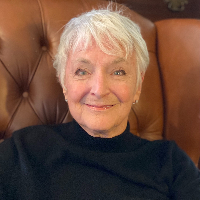
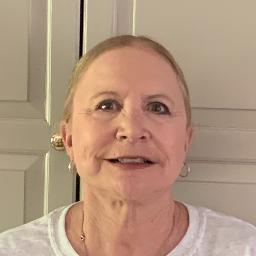






Heather Scarbrough
LMFT
Arizona - 10 yrs exp
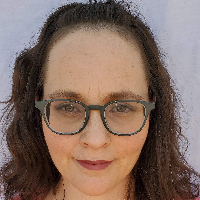



Lynda Woods
LCSW
Arizona - 12 yrs exp
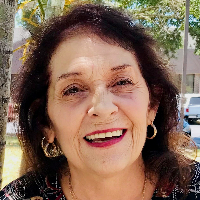

Chantelle Okoye
LPC
Arizona - 13 yrs exp






Joan Dewey
LCSW
Arizona - 28 yrs exp


What Attachment-Based Therapy Is and the Principles Behind It
Attachment-Based Therapy is grounded in the idea that the relationships you experienced early in life shape how you connect, cope, and regulate emotions as an adult. Therapists who use this approach work with you to understand patterns that may have begun in childhood - the ways you seek comfort, handle stress, and form intimate bonds. The central principles include observing relational patterns, building awareness of emotional responses, and strengthening your capacity to form safer, more responsive connections. Rather than only focusing on symptoms, this therapy attends to the relational context that underlies them, helping you change patterns that may feel automatic or out of your control.
How Attachment-Based Therapy Is Used by Therapists in Arizona
Therapists in Arizona integrate Attachment-Based ideas into individual, couples, and family work. In urban centers like Phoenix, Tucson, and Mesa you will find clinicians who combine attachment theory with other therapeutic skills to meet diverse needs. Some therapists focus on exploring past relational experiences and how they influence present-day attachment styles. Others emphasize corrective relational experiences in session - offering a different kind of interaction that helps you internalize more adaptive ways of relating. In community clinics and private practices across Scottsdale and Chandler, therapists adapt the principles to cultural and contextual realities in Arizona, attending to family dynamics, community ties, and life transitions that shape attachment experiences.
Issues Commonly Addressed with Attachment-Based Therapy
You might consider Attachment-Based Therapy if you notice recurring problems in relationships, chronic anxiety around closeness, or difficulty trusting others. Therapists frequently use this approach to help people who have experienced disruptions in early caregiving, loss, or repeated relationship ruptures. It is also used for couples who want to understand their reactive cycles and for parents seeking to improve attachment with their children. Beyond relationship concerns, attachment-focused work can support you through life transitions such as becoming a parent, recovering from separation or betrayal, and managing stress that triggers old relational patterns.
What a Typical Attachment-Based Therapy Session Looks Like Online
An online session with an attachment-focused therapist begins much like an in-person appointment. You will check in about how you are feeling and any events since the last session that are relevant to your relationships. The therapist will listen for recurring themes - patterns of expectation, avoidance, or hypervigilance - and invite you to reflect on where those reactions come from. Sessions often include gentle inquiry into childhood experiences and how those memories show up in your current relationships. Your therapist may point out relational dynamics as they occur in the session itself, helping you notice how you respond when you feel seen, misunderstood, or vulnerable.
Because the work is relational, the online format includes attention to how you relate through the screen. Therapists help you name emotional responses that arise during video sessions and use them as material to practice different ways of expressing needs and receiving responses. You can expect a combination of exploration, moment-to-moment feedback, and collaborative planning for steps to try between sessions. Some clinicians also provide guidance for partners or family members to join parts of the process when appropriate.
Who Is a Good Candidate for Attachment-Based Therapy
If you find yourself repeating the same relational patterns, feeling unseen in relationships, or reacting strongly when others get close, Attachment-Based Therapy may be helpful. You do not need a history of trauma to benefit - many people seek this approach simply to better understand themselves and to build more satisfying connections. The therapy can be adapted to different life stages and circumstances, whether you are a young adult establishing independence, a parent navigating caregiving challenges, or someone rebuilding after a breakup. It can also complement other therapeutic work if you are addressing mood, anxiety, or stress-related concerns, because it addresses the relational roots that often accompany these issues.
How Motivation and Readiness Matter
Your readiness to reflect on past and present relationships influences how quickly you experience change. Attachment work asks you to be open to noticing painful patterns and to practice new ways of relating within the therapeutic relationship. If you are willing to engage in that process, you are likely to get more out of the work. Therapists will collaborate with you to set goals that feel achievable and to pace the exploration so you feel supported through difficult material.
Finding the Right Attachment-Based Therapist in Arizona
Begin by clarifying what you want from therapy - whether you want to focus on individual healing, improve communication in a partnership, or support parenting and family bonds. Look for clinicians who list attachment theory, relational approaches, or developmental perspectives in their profiles, and pay attention to the populations they work with. In places like Phoenix and Tucson you will find a range of clinicians offering different modalities and levels of experience. Consider practical details such as whether the clinician offers online sessions, their availability, and whether they have experience with issues similar to your own.
When you contact a therapist for an initial conversation, pay attention to how they describe their approach and whether they listen to your priorities. A good match is not only about credentials but also about feeling seen and understood in the first interactions. Ask about how they tailor attachment work to individual needs, how they measure progress, and what to expect session to session. Many people find that a few consultation calls with different therapists can help clarify who will be the best fit.
Local Considerations Across Arizona
Arizona's communities range from dense urban areas to quieter suburban and rural settings, and that variety influences how clinicians practice. In larger cities such as Mesa and Scottsdale there may be more specialized options, including clinicians who focus on nuanced areas of attachment such as prenatal bonding, trauma-informed relational work, or couples therapy with an attachment lens. In smaller towns or suburban areas, you may find practitioners who integrate attachment theory with culturally attuned practices that reflect family values and community ties. If you prefer in-person sessions, search for therapists in your city; if travel or scheduling is a concern, online options expand your choices across the state.
What to Expect Over Time
Attachment-Based Therapy is often gradual because it involves changing patterns that developed over years. You may notice early shifts in awareness and communication, followed by deeper changes in how you handle closeness and conflict. Therapists typically help you practice new relational responses outside of sessions so that the changes generalize to daily life. Over months of work many people report feeling more grounded in their relationships, more able to ask for support, and less driven by automatic fears or avoidance.
If you are considering Attachment-Based Therapy in Arizona, remember that the right therapeutic relationship can be a resource for understanding and change. Whether you choose a clinician in Phoenix, meet with someone in Tucson by video, or connect with a practitioner based in Mesa, the key is finding someone whose approach aligns with your needs and who helps you build new, healthier ways of relating. Taking the first step to browse profiles and request a consultation can lead to meaningful shifts in how you connect with others and care for yourself.